By Joshua Johns
October 15, 2026
As the winter chill sets in, homeowners across the country prepare their residences for colder weather. Preparing a property involves several critical tasks, but reviewing your building envelope stands out as one of the most effective measures. Maintaining adequate protection forms the backbone of energy efficiency, keeping your indoor environment warm, comfortable, and cost-effective.
Navigating thermal management options can feel complex given the variety of materials and structural requirements involved. Understanding how heat transfers and where air leakage occurs allows property owners to make informed decisions. This comprehensive guide explores key concepts, primary benefits, structural priorities, and practical considerations for winter readiness, helping you maximize warmth while managing costs.
Understand the Fundamentals of Thermal Protection
Thermal protection works by creating a continuous barrier between areas that have significantly different temperatures. Its primary objective is to slow down heat flow, keeping warm air inside during winter and preventing excess heat entry during summer. Trapping air within specialized material matrices minimizes conductive heat transfer, ensuring living areas maintain balanced indoor climates.
Beyond maintaining physical comfort, proper thermal barriers play a major role in curbing fuel usage. According to Sciencedirect.com, insulating a residence decreases yearly gas usage by roughly 19%. This substantial drop in energy demand directly lowers monthly heating expenses during peak winter months, while simultaneously reducing your overall environmental footprint through decreased energy consumption.
When spaces lack appropriate thermal barriers, heating equipment must run continuously to compensate for rapid heat loss. Constant operation accelerates wear on system components, leading to frequent mechanical failures and higher repair costs. Working with reputable home insulation companies ensures your residence is properly evaluated to prevent unnecessary mechanical strain while supporting consistent room temperatures.
Evaluate Different Types of Insulation Materials
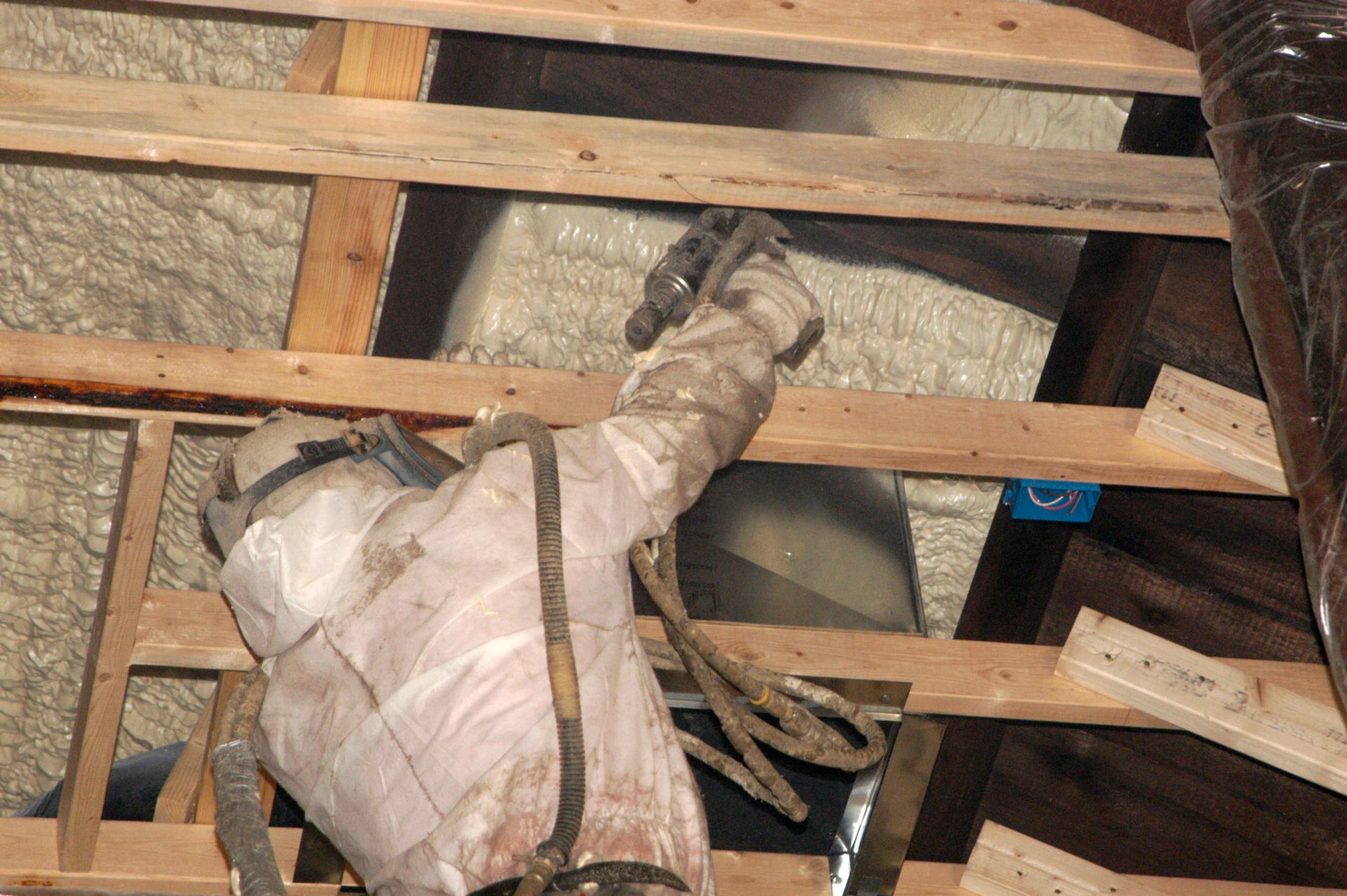
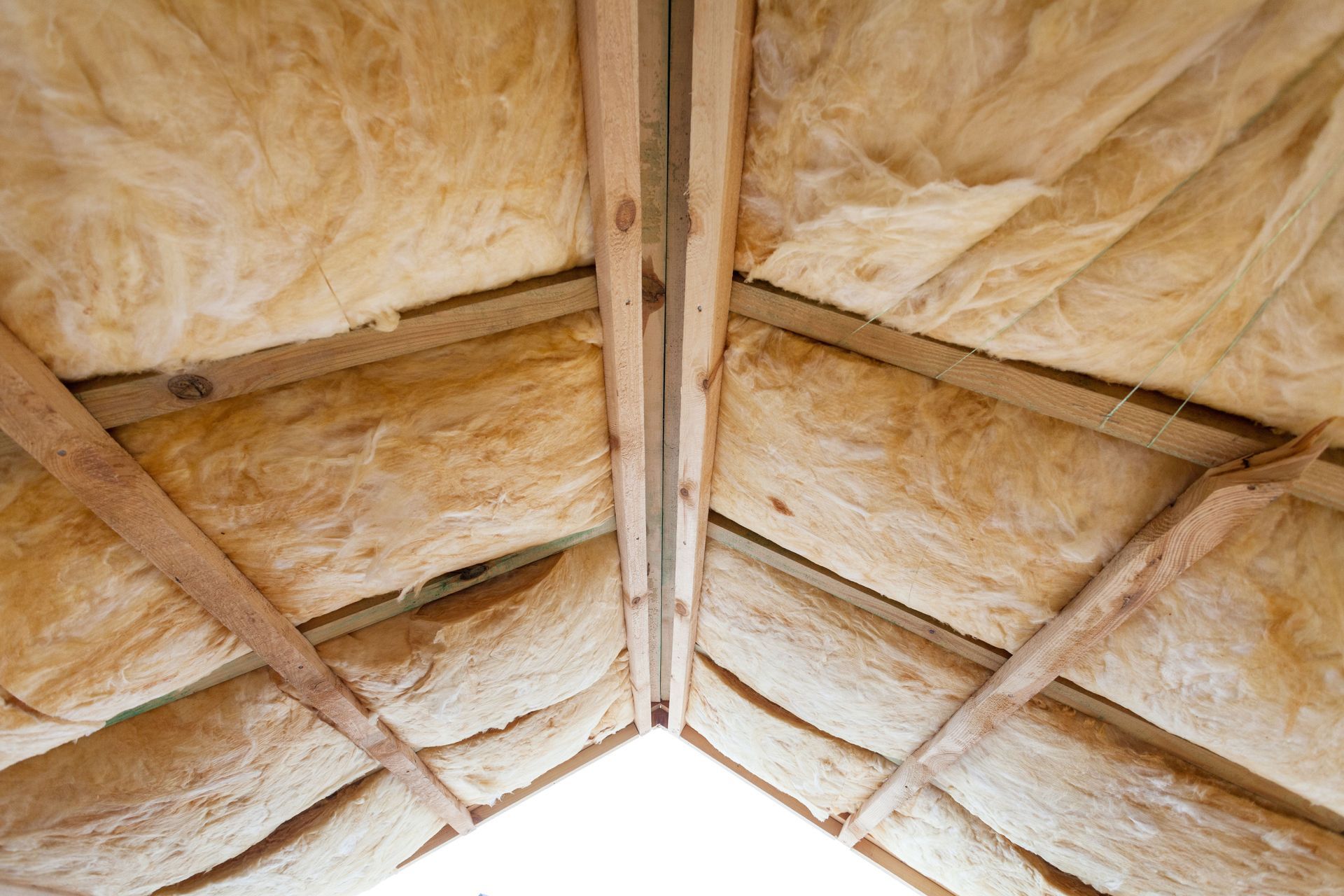
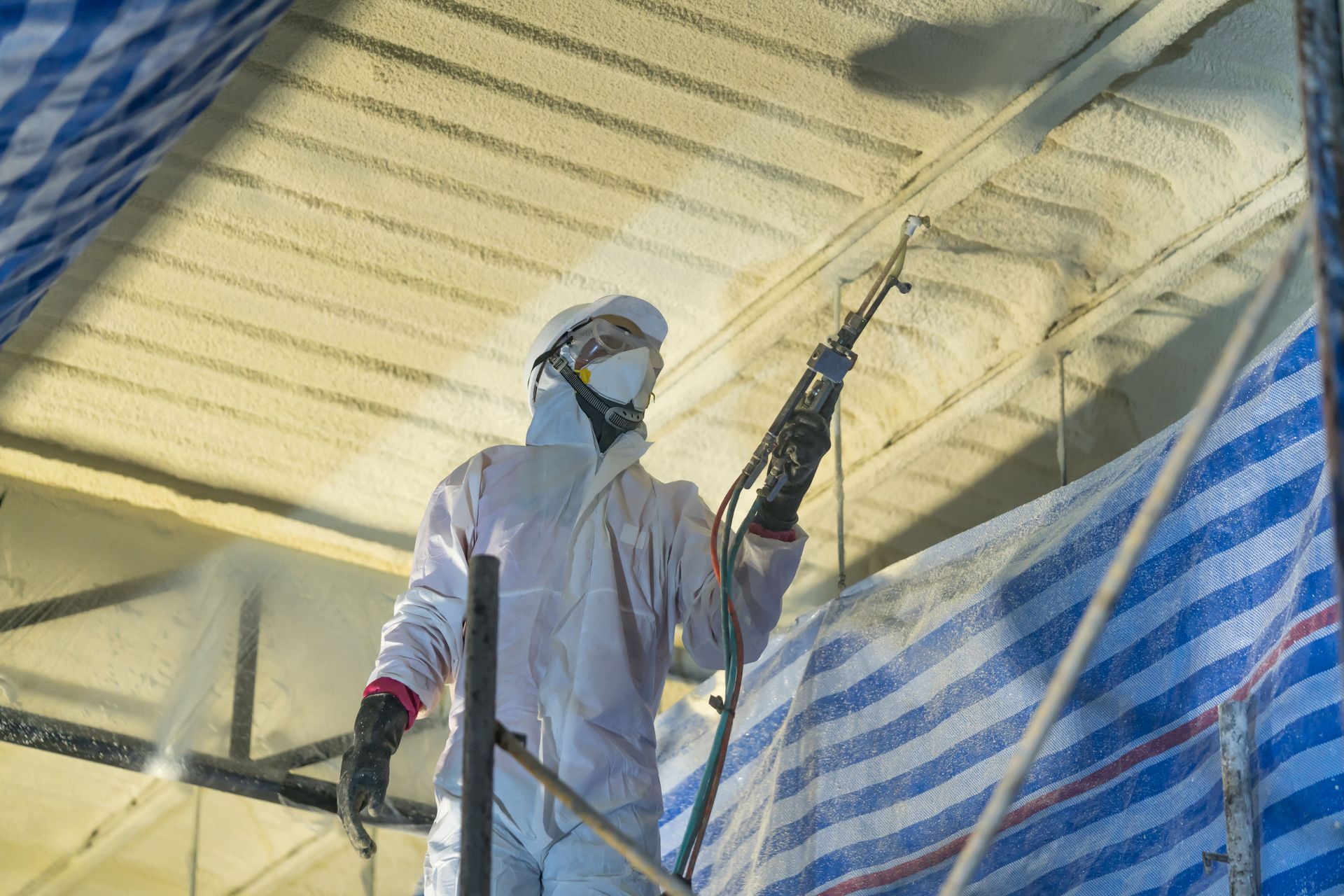
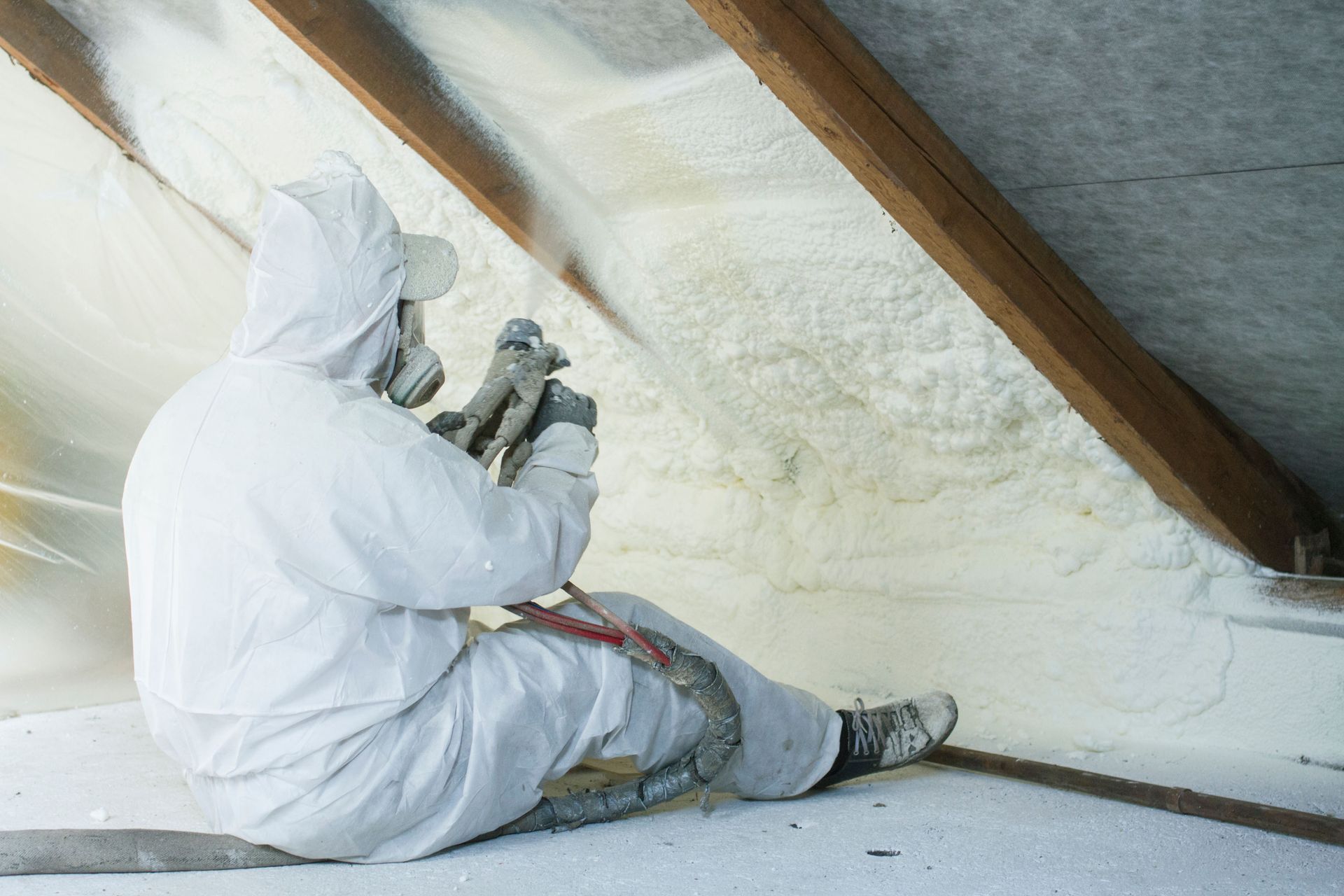
Selecting appropriate materials requires examining the specific requirements of your living space. Fiberglass remains a common choice due to its versatility and availability in pre-cut batts or loose-fill formats. Spray foam provides another powerful solution, expanding to seal tight gaps and create an airtight draft barrier. Closed-cell options deliver high thermal resistance and structural support.
Cellulose offers an environmentally conscious option manufactured from recycled paper treated with fire retardants. It fills small cavities thoroughly, preventing cold air pockets from forming behind drywall. Rigid foam panels deliver high performance in thin profiles, making them ideal for exterior sheathing or basement walls. Reflective barriers redirect radiant heat away in attic spaces.
Each material option possesses distinct advantages tailored to specific structural needs and regional climates. While batts offer simple installation in standard framing, spray foam excels at sealing complex irregularities. Professional home insulation companies help homeowners compare material characteristics to find the best fit for their budget, ensuring durable performance across changing seasonal conditions.
Explore the Primary Benefits of Proper Sealing
Lowering household operating costs represents one of the most immediate benefits of insulating your property. Engaging skilled home insulation companies allows homeowners to establish continuous thermal layers that prevent costly conditioned air from escaping. Reduced energy demand creates consistent utility savings month after month, allowing families to reallocate funds toward other important home improvements.
Uniform indoor comfort relies heavily on eliminating drafty zones and room-to-room temperature swings. Properly installed barriers prevent cold spots near windows, exterior walls, and unheated spaces. Effective thermal layers also assist with indoor humidity management, minimizing surface condensation that encourages mold growth. Preventing moisture buildup protects building structural components and maintains healthier indoor air quality.
Thermal updates also deliver significant acoustic benefits by absorbing airborne noise from outside sources. Dense filling materials dampen street sounds, neighbor activity, and severe weather noise. Lower energy usage decreases total demand on regional utility networks, reducing overall carbon emissions. Investing in comprehensive thermal protection creates a quieter, greener, and far more pleasant living environment.
Identify Critical Areas Requiring Insulation Upgrades
Attics represent the primary site of heat loss in most residential structures because warm air naturally rises. Without sufficient thermal barriers, heat escapes rapidly through the ceiling into unconditioned attic spaces. Consulting experienced home insulation companies helps identify gaps in attic spaces before severe winter weather arrives, ensuring proper venting accompanies thermal upgrades.
Exterior walls account for a massive portion of the building structure that directly contacts outdoor air. Uninsulated wall cavities allow constant thermal exchange, forcing heating systems to work harder. Injecting blown-in loose fill or installing spray foam inside wall cavities stabilizes interior surface temperatures, delivering noticeable improvements in climate control and room acoustics.
Floors built over unheated basements, crawlspaces, or attached garages frequently feel cold underfoot during winter. Missing floor barriers allow freezing air to penetrate living spaces from below, compromising overall household comfort. Placing batt or foam materials under floor joists blocks rising cold air, completing your thermal envelope and protecting against winter drafts.
Debunk Common Myths About Home Upgrades
A common misconception suggests that adding endless layers of thermal material always produces better energy performance. In reality, adding material past proper density thresholds yields diminishing returns while risking structural compression. Experienced home insulation companies focus on correct coverage density, seamless placement, and proper vapor management to guarantee optimal thermal resistance without wasting money.
Another widespread myth claims that thermal protection only serves a purpose during cold winter months. Proper installation functions equally well during summer by keeping hot outdoor air from penetrating air-conditioned living spaces. Managing heat flow year-round stabilizes indoor temperatures regardless of external weather shifts, helping property owners appreciate the comprehensive value of their structural investment.
Many people assume that retrofitting thermal protection is only practical during original house construction. Existing homes can easily undergo retrofitting through non-invasive techniques like dense-packing wall cavities or adding attic loose-fill. Modern installation methods allow contractors to upgrade older structures without causing major disruptions, boosting energy performance while preserving home character.
Hire Professional Contractors for Optimal Results
Attempting self-installation on complex projects often leads to overlooked gaps, compressed materials, and improper ventilation. Working alongside certified home insulation companies guarantees that every nook and crack receives precise coverage. Professional installers possess specialized equipment designed to apply spray foam and blown materials evenly, avoiding common DIY mistakes that compromise efficiency and safety.
Professional evaluations begin with thorough energy assessments to locate hidden air leaks and thermal bridges. Top home insulation companies utilize advanced diagnostic technology like infrared cameras to pinpoint exact heat loss zones. These detailed inspections ensure installation efforts target high-priority structural weaknesses effectively, delivering maximum long-term returns through targeted efficiency improvements.
Certified contractors bring extensive knowledge of local building codes, safety regulations, and proper fire-retardant requirements. Their expertise ensures that vapor barriers are oriented correctly to prevent hidden moisture damage within wall framing. Professional warranties offer peace of mind, guaranteeing your property remains safe, comfortable, and energy-efficient for years to come.
Preparing your property for the cold season requires proactive attention to thermal efficiency and structural sealing. Upgrading key areas such as attics, exterior walls, and underfloor spaces yields immediate comfort improvements and steady financial savings. Partnering with professional home insulation companies ensures your home is equipped to withstand winter weather while maintaining low energy consumption.
Do not wait until freezing temperatures cause high utility bills and uncomfortable living conditions in your home. Taking action now allows you to enjoy a warm, energy-efficient sanctuary throughout the cold winter months ahead. Contact us at A & A Insulation today to schedule your winter assessment and keep your household warm all season long.