By Joshua Johns
October 14, 2026
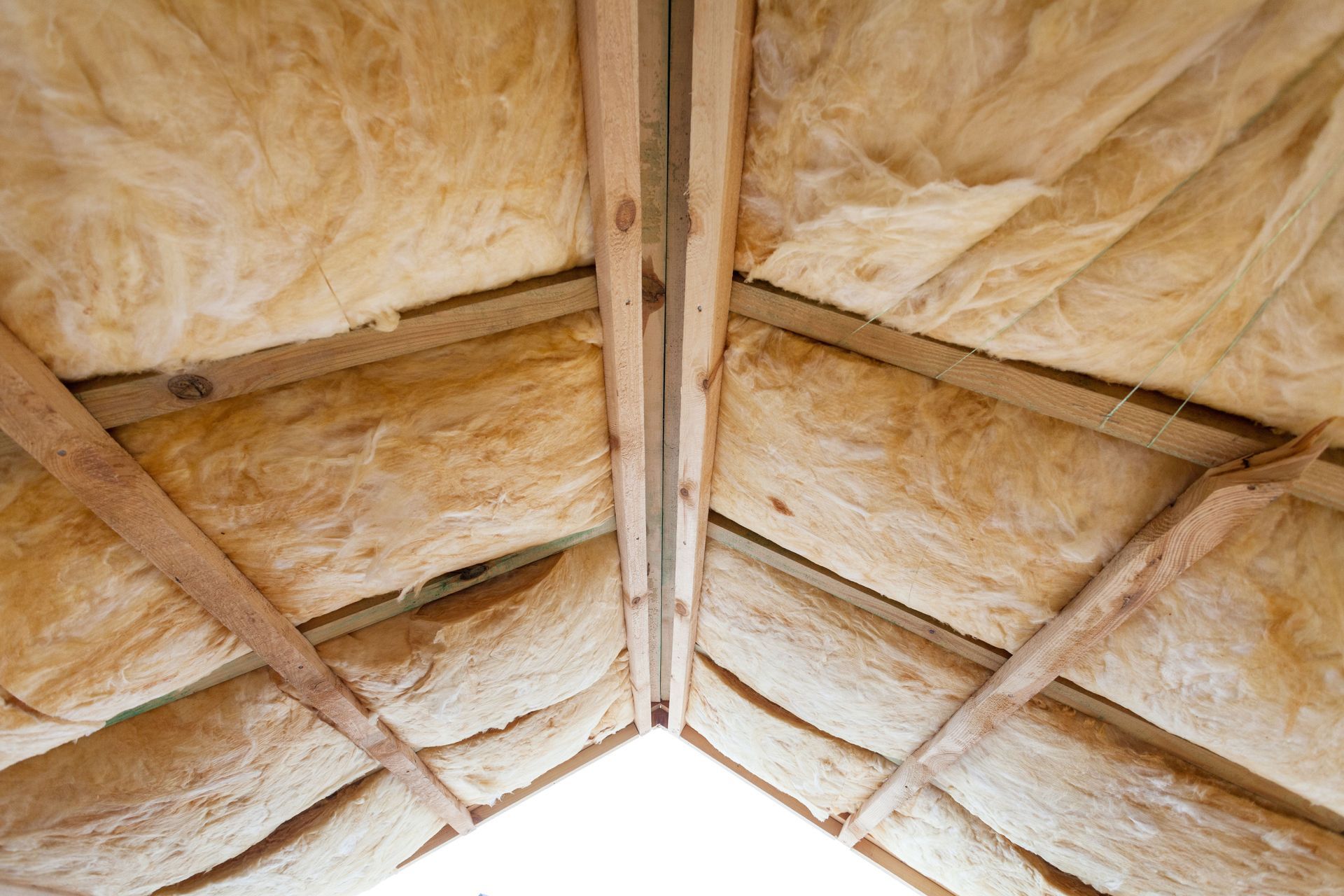
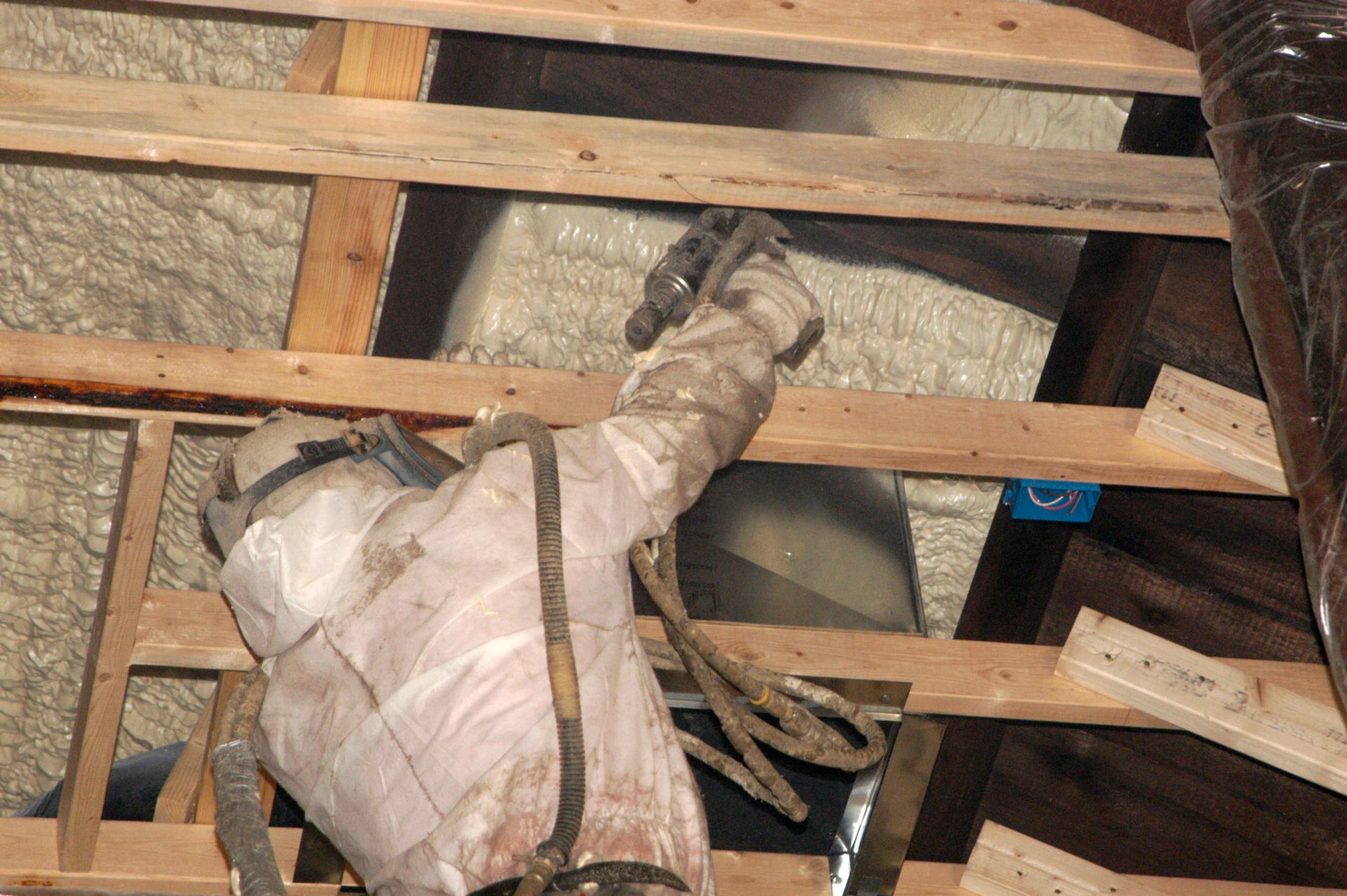
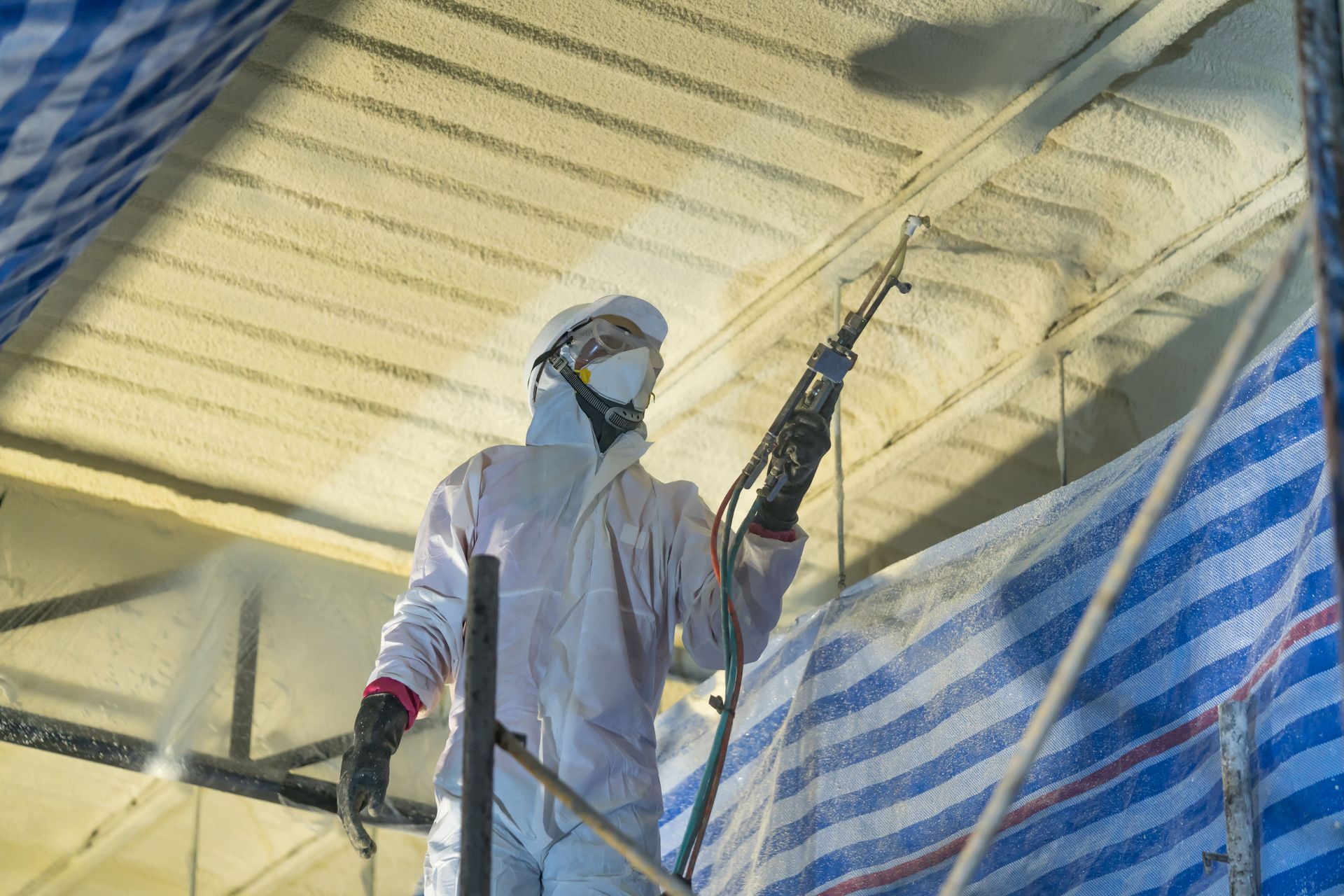
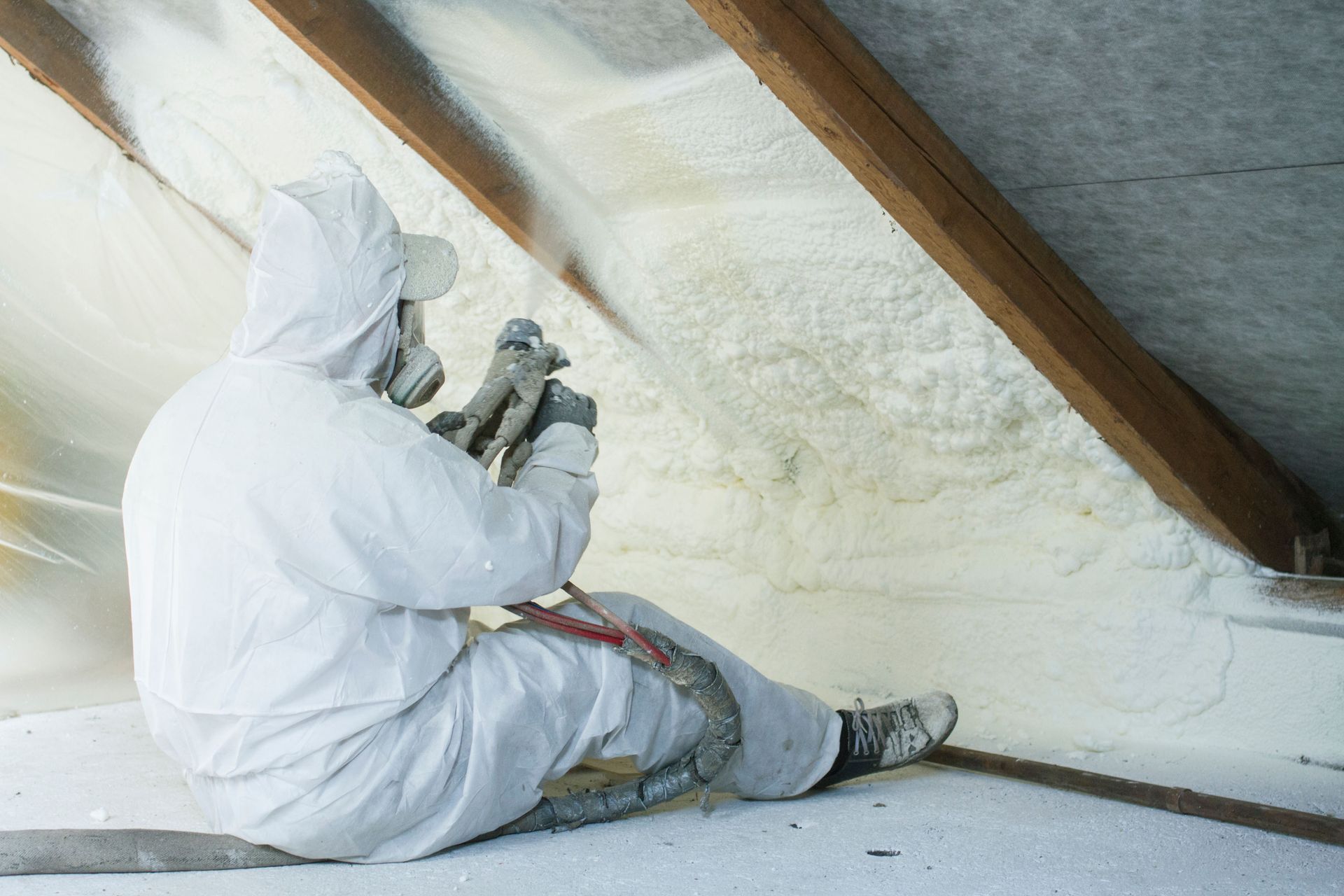
Insulation plays an important role in how a home handles temperature changes throughout the year. When a home has appropriate insulation, it can help reduce heat transfer, support more consistent indoor temperatures, and improve overall comfort. Poor or aging insulation can contribute to temperature differences between rooms, increased heating and cooling demands, and other indoor comfort concerns. This article explains how proper insulation can affect comfort, energy use, temperature control, and the overall condition of a home.
Understanding Heat Transfer
Heat naturally moves from warmer areas toward cooler areas. In summer, outdoor heat can move indoors, while winter conditions can cause indoor heat to move outside. Insulation slows this movement and helps maintain more stable indoor temperatures. According to the United States Department of Energy, the three primary mechanisms of heat transfer that insulation is designed to slow or block are conduction, radiation, and convection. These processes affect how quickly heat moves through a home, making insulation important for indoor comfort. A home insulation service can assess areas where heat transfer may be occurring and identify conditions that affect temperature control. Since insulation can vary throughout a home, evaluating the overall structure provides a clearer picture of its performance.
Improving Indoor Comfort
Temperature consistency is one of the most noticeable ways insulation can affect a home. Rooms located near attics, exterior walls, ceilings, or other areas with limited insulation may become warmer or colder than surrounding spaces. These differences can make certain parts of a home less comfortable, even when the heating or cooling system is operating. Proper insulation helps reduce the speed at which outdoor temperatures affect indoor spaces. This can make it easier for rooms to maintain more consistent temperatures throughout the day. It may also reduce noticeable temperature differences between floors, rooms, or areas located farther from heating and cooling equipment. A home insulation service can help identify areas where insulation levels or conditions may be contributing to uneven temperatures. Professional evaluation can be useful when some rooms consistently feel different from others or when indoor temperatures change quickly after heating or cooling equipment stops running.
Reducing Energy Demands
Heating and cooling equipment must work to offset changes in indoor temperature. When heat moves through the building more quickly, these systems may need to operate longer to maintain the desired conditions. Proper insulation can slow heat movement and help reduce some of the demand placed on heating and cooling equipment. Lower heat transfer does not mean that insulation eliminates energy use. Instead, it can help create conditions where heating and cooling systems do not have to respond as frequently or work as hard to counter temperature changes. Over time, this can support more efficient energy use within the home. The impact of insulation can depend on several factors, including the home's design, climate, existing insulation, air movement, and overall building condition. A home insulation service can evaluate these factors together instead of focusing on insulation alone. This approach can help identify conditions that may be affecting energy performance.
Protecting Temperature Stability
Outdoor temperatures can change significantly throughout the year, and homes must continually respond to those changes. Insulation creates a layer between indoor spaces and changing outdoor conditions. When that layer is adequate and in good condition, it can help slow temperature changes inside the home. Temperature stability can be especially important during periods of very hot or cold weather. Without sufficient insulation, heat can enter or leave a home more easily. This can make indoor temperatures harder to control and may increase the workload placed on heating and cooling equipment. A home insulation service can help determine whether existing insulation is providing adequate coverage in important areas. Attics, walls, ceilings, and other parts of a building can have different insulation conditions. Looking at these areas as part of the larger structure can help provide a more complete understanding of temperature stability.
Managing Indoor Air Movement
Insulation and air movement are closely connected to the way a home handles temperature changes. Gaps, openings, and areas with limited coverage can allow conditioned indoor air to move where it is not intended to go. Outdoor air may also enter through openings in the building envelope, affecting indoor temperatures. When air movement is not well controlled, a heating or cooling system may have difficulty maintaining consistent conditions. Rooms can feel drafty, and certain areas may remain warmer or colder than others. These issues can sometimes indicate that more than one part of the building needs to be evaluated. Professional help can identify areas where unwanted air movement may be affecting indoor comfort. A home insulation service can be part of a broader evaluation of the building envelope, helping determine whether insulation conditions may be contributing to temperature and airflow concerns.
Supporting Seasonal Performance
Insulation can affect how a home responds to both summer and winter conditions. During warmer months, insulation can slow the movement of outdoor heat into indoor areas. During colder months, it can help reduce the movement of indoor heat toward colder exterior spaces. This seasonal role makes insulation an important part of year-round temperature management. Homes in areas with changing weather may experience different insulation demands throughout the year. Maintaining appropriate insulation can help the structure respond more consistently to these changes. A home insulation service can evaluate the condition and coverage of insulation before seasonal problems become more noticeable. This can be particularly useful when a home has developed inconsistent temperatures, changing energy demands, or rooms that are noticeably harder to heat or cool.
Maintaining Building Conditions
Insulation can also contribute to the broader condition of a home by helping manage temperature differences within the building envelope. Large or repeated temperature changes can affect how different areas of a structure respond to seasonal conditions. Maintaining appropriate insulation can help limit some of these temperature fluctuations. Insulation should be considered alongside other factors that influence a home's performance. Moisture, air movement, building materials, ventilation, and the condition of the structure can all affect how well insulation performs. If one of these factors is causing a problem, simply adding insulation may not address the underlying issue. Seeking professional help can provide a more complete evaluation of existing conditions. A home insulation service can help determine whether insulation is contributing to a concern and whether other areas of the building should also be considered.
Evaluating Existing Conditions
Insulation can change over time as renovations, moisture exposure, settling, and other conditions affect its coverage and performance. Signs that insulation may need evaluation include uneven indoor temperatures, uncomfortable rooms, noticeable temperature changes, or frequent heating and cooling operation. These issues do not always mean insulation is the cause, but they may indicate that the building envelope needs attention. Professional evaluation can identify potential concerns, while a home insulation service can assess the existing insulation based on the home's structure and comfort needs.
Improving Overall Home Efficiency
A well-insulated home can provide several benefits. By slowing heat transfer, insulation can support more stable indoor temperatures, reduce heating and cooling demands, and improve comfort. Its value extends throughout the home and across different seasons, especially when temperature differences or energy concerns are noticeable. When insulation conditions are uncertain, seeking professional help can identify areas that may need attention and show how insulation relates to overall comfort and efficiency.
Proper insulation is an important part of managing heat transfer and maintaining comfortable indoor conditions. From temperature stability and energy demands to seasonal performance and indoor air movement, insulation can influence several aspects of how a home functions. If you are experiencing temperature differences or other concerns, a professional evaluation can help identify whether insulation may be contributing to the problem. For dependable guidance, contact A & A Insulation to schedule a home insulation service for help with assessing your home's insulation needs.