By Joshua Johns
May 7, 2026
Enhancing the thermal envelope of a residence is more than just a matter of comfort; it is a strategic investment in the longevity and efficiency of the mechanical systems that keep a home habitable. Most homeowners view their heating and cooling equipment as independent units, yet these systems are entirely dependent on the quality of the barrier between the indoor and outdoor environments. When that barrier is weak, the mechanical components are forced to work harder, leading to premature wear and inflated utility costs.
By understanding how thermal resistance affects the operational life of expensive machinery, property owners can make informed decisions that benefit both their finances and the environment. High-quality home insulation serves as the first line of defense against the elements, ensuring that conditioned air stays where it belongs while keeping external temperatures from intruding. Through this lens, we can see that the efficiency of a furnace or an air conditioner is only as good as the space it is trying to condition.
Improving Thermal Resistance for System Stability
The fundamental purpose of installing high-quality materials within the walls and ceilings of a structure is to create a consistent thermal boundary. Insulation reduces smoke and heat transfer through the building envelope by slowing down the conduction, radiation, and convection processes. According to the U.S. Department of Energy, these three mechanisms are the primary means through which temperatures fluctuate within structures, and insulation's design aims to minimize them significantly. When these processes are effectively mitigated, the internal temperature remains stable for much longer periods.
This stability is the key to reducing the frequency at which a heating or cooling unit must activate. Every time a system starts a new cycle, it consumes a surge of energy and subjects its internal components to mechanical stress. By improving the home insulation, you effectively decrease the number of start-stop cycles required throughout the day. This reduction in cycling does not just save money on the monthly power bill; it prevents the internal parts from reaching their wear limits too early in their expected service life. A system that runs for twenty minutes twice an hour is under far more duress than one that runs once an hour for the same total duration, as the initial startup is often the most taxing part of the operation.
Reducing Mechanical Strain on Critical Components
When a building lacks sufficient protection from the sun's heat or the winter's chill, the HVAC system must operate at peak capacity for extended durations. This constant high-level operation puts an immense burden on the compressor, the motor, and the fan assemblies. Over time, this leads to the degradation of lubricants, the fraying of electrical connections, and the eventual failure of expensive parts.
By prioritizing the installation of robust home insulation, you provide a buffer that allows the machinery to operate within its ideal parameters. Instead of fighting a losing battle against a leaking thermal envelope, the system can reach the desired thermostat setting quickly and then rest. This resting period is vital because it allows components to cool down and prevents the overheating of electrical circuits. Furthermore, a well-protected home allows for the use of smaller, more efficient HVAC units when it comes time for replacement. If the thermal barrier is strong enough, the total British Thermal Units required to condition the space decrease, allowing for a right-sized system that operates more naturally and lasts years longer than an oversized unit struggling in a poorly shielded environment.
Lowering Operational Costs Through Thermal Efficiency
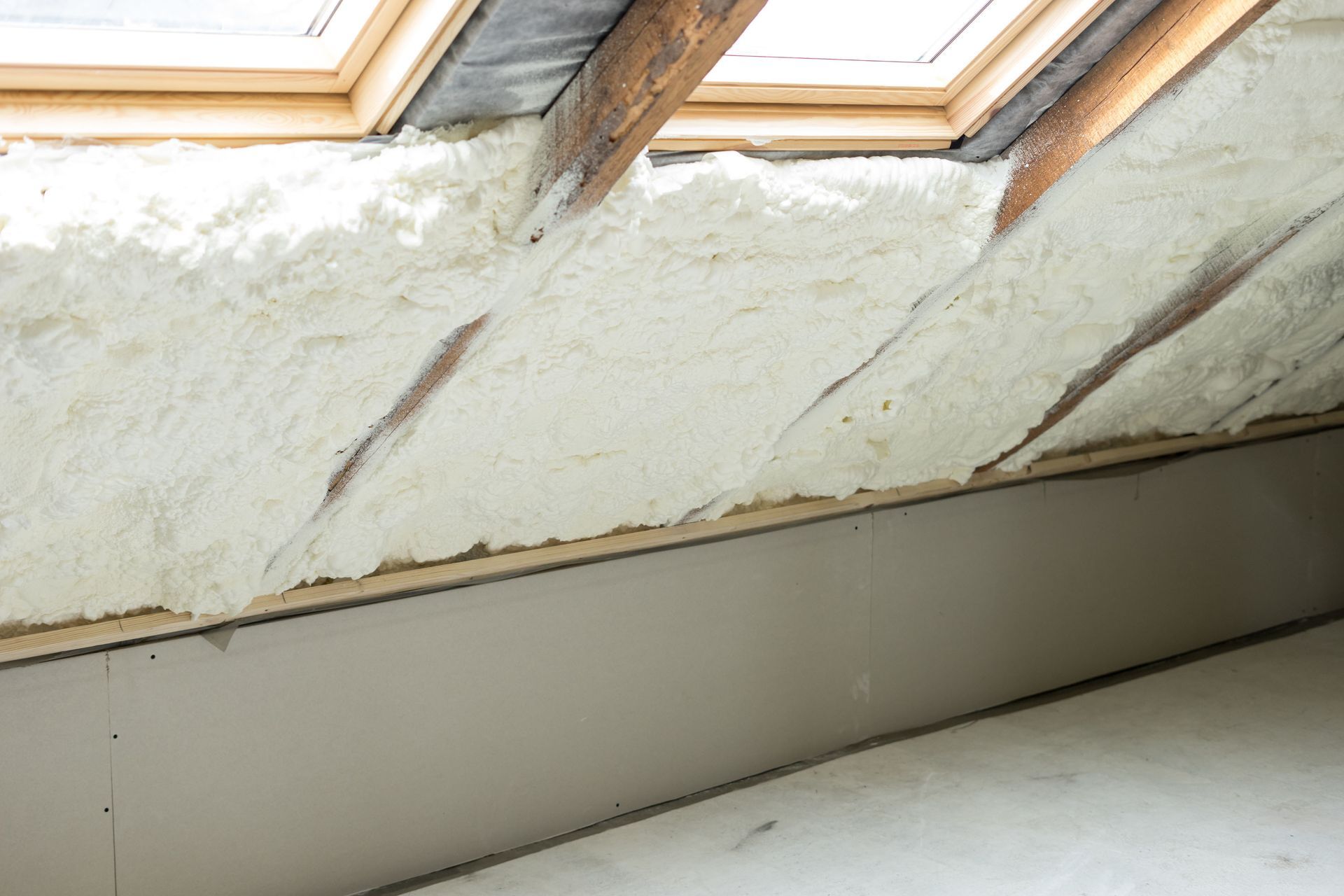
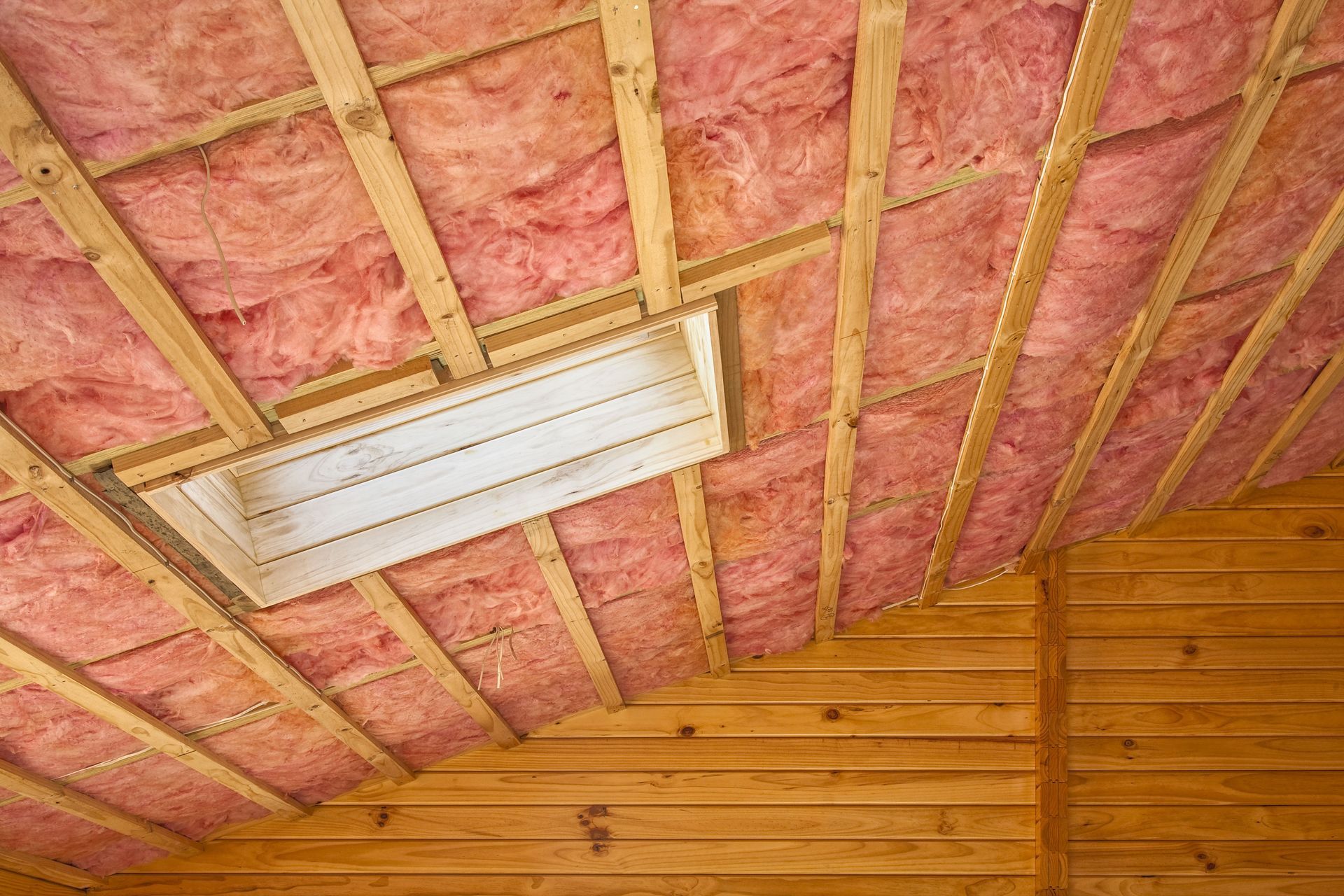
The financial benefits of maintaining a tight building envelope are often discussed in terms of monthly savings, but the long-term economic impact is even more profound. When the demand on the cooling and heating units is minimized, the cost per hour of comfort drops significantly. This is largely because home insulation acts as a passive system that requires no electricity to function once it is in place. Unlike a high-tech air purifier or a smart thermostat, which still rely on the active movement of air or data, fiberglass, cellulose, or foam materials work silently to resist energy transfer.
This passive resistance means that the active, energy-consuming systems do not have to compensate for poor construction or aging materials. In many cases, the cost of upgrading the thermal barriers in an attic or crawlspace is recovered in just a few seasons of lower energy bills. Beyond the immediate utility savings, there is the avoided cost of emergency repairs. A system that is not overworked is far less likely to break down during a heatwave or a cold snap when repair technicians are at their busiest and most expensive. By viewing the building as a holistic system where the shell protects the core, homeowners can enjoy a much more predictable and manageable household budget.
Enhancing Indoor Air Quality and Comfort
While the primary focus is often on temperature, the physical barrier provided by various insulating materials also plays a major role in managing the air quality within a home. A house that is properly sealed and protected experiences fewer drafts, which are often the primary vehicle for dust, pollen, and outdoor pollutants. When the HVAC system is not constantly pulling in unconditioned air through gaps in the structure, the filters remain cleaner for longer, and the internal coils are less likely to become bogged down with debris.
This cleanliness directly impacts the performance of the system, as airflow is critical for efficient heat exchange. If the coils are dirty because the house is "leaky," the system will run longer to achieve the same cooling effect, once again shortening its lifespan. Moreover, effective home insulation helps to regulate humidity levels. By preventing moist outdoor air from seeping into the walls, the risk of mold growth and structural rot is greatly reduced. This creates a healthier living environment for the occupants while simultaneously protecting the structural integrity of the building itself.
Supporting Sustainability Through Energy Conservation
The movement toward greener living is heavily reliant on the reduction of total energy consumption in the residential sector. Since heating and cooling account for a massive portion of a typical household's energy use, improving the efficiency of these processes is a top priority for environmental conservation. By reducing the total load on the HVAC system, a well-shielded home requires less power from the grid and burns fewer fossil fuels. This direct reduction in energy demand is one of the most effective ways an individual can lower their carbon footprint.
Furthermore, many modern insulating materials are now manufactured using recycled content, such as glass cullet or post-consumer paper, making the product itself a win for the circular economy. As global temperatures continue to fluctuate more wildly, the importance of a resilient home becomes even more apparent. A building that can maintain its internal temperature for several hours even during a power outage provides a level of safety and security that a poorly insulated home cannot match. This resilience is a key pillar of sustainable urban development, ensuring that our infrastructure can withstand the challenges of a changing climate without requiring an exponential increase in energy production.
The relationship between a home's thermal barrier and its mechanical systems is inseparable. By investing in high-quality
home insulation, you are doing more than just lowering your monthly expenses; you are protecting the expensive machinery that provides your family with comfort and safety. If you are ready to improve your home's efficiency and extend the life of your equipment, contact A & A Insulation today to schedule a comprehensive evaluation of your current thermal performance.