Proper home insulation is crucial for maintaining energy efficiency, lowering utility bills, and creating a comfortable living environment throughout the year. It can significantly reduce the strain on heating and cooling systems, extending their lifespan and improving performance. Homeowners who understand insulation benefits can make strategic choices that save money and enhance the quality of their indoor spaces.
Investing in insulation improves indoor comfort and reduces environmental impact by limiting unnecessary energy consumption. Homes with effective insulation maintain consistent temperatures that protect occupants from extreme weather conditions. Thoughtful planning for insulation upgrades ensures long-term performance and preserves the integrity of the home’s structure.
Understand the Basics of Home Insulation
Home insulation acts as a barrier that slows the transfer of heat, keeping indoor temperatures stable regardless of external weather conditions. It prevents heat from escaping during cold months and blocks excessive heat during warm seasons, making homes more energy-efficient. By maintaining a consistent indoor climate, insulation reduces wear on heating and cooling equipment and ensures year-round comfort for all residents.
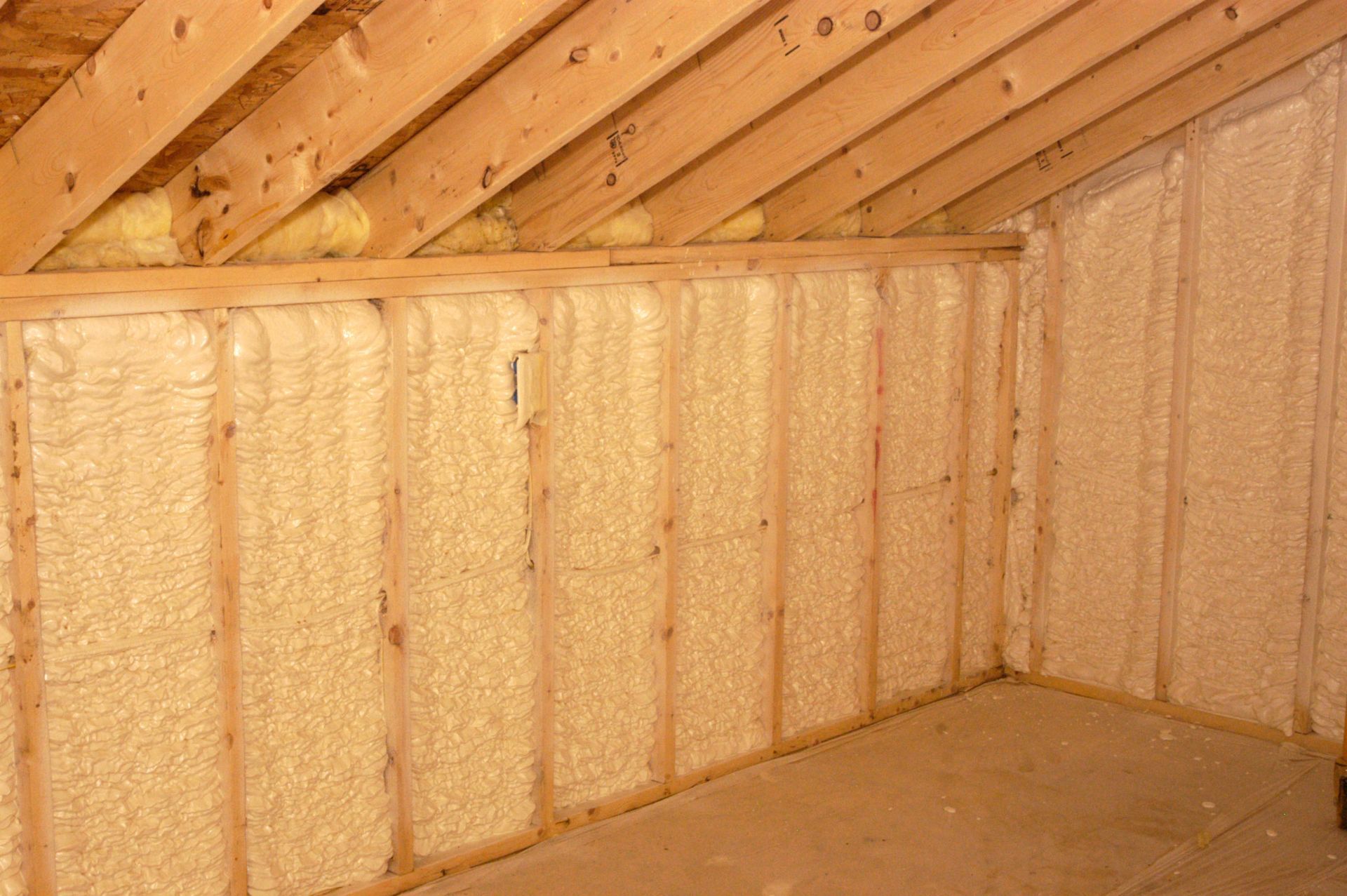
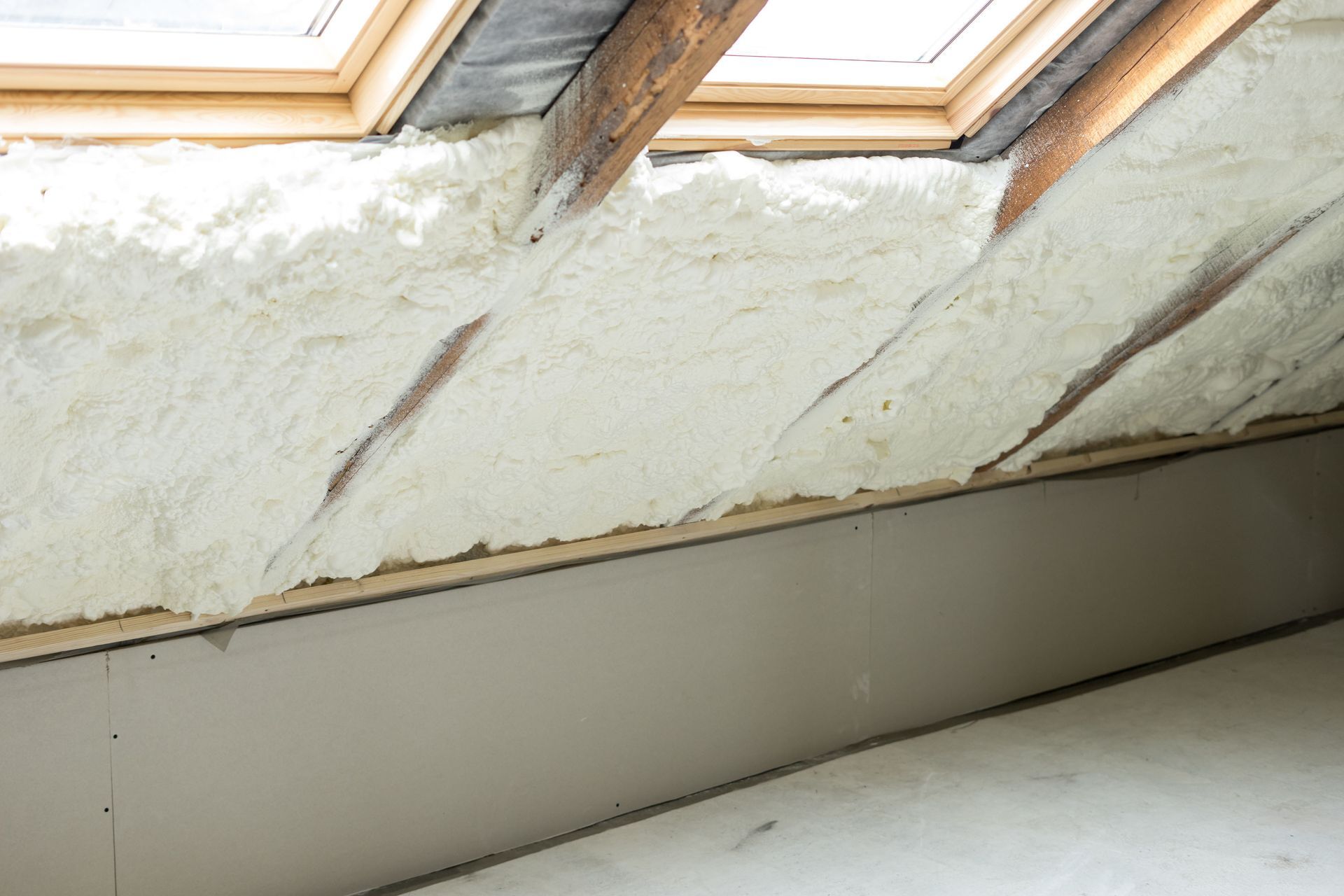
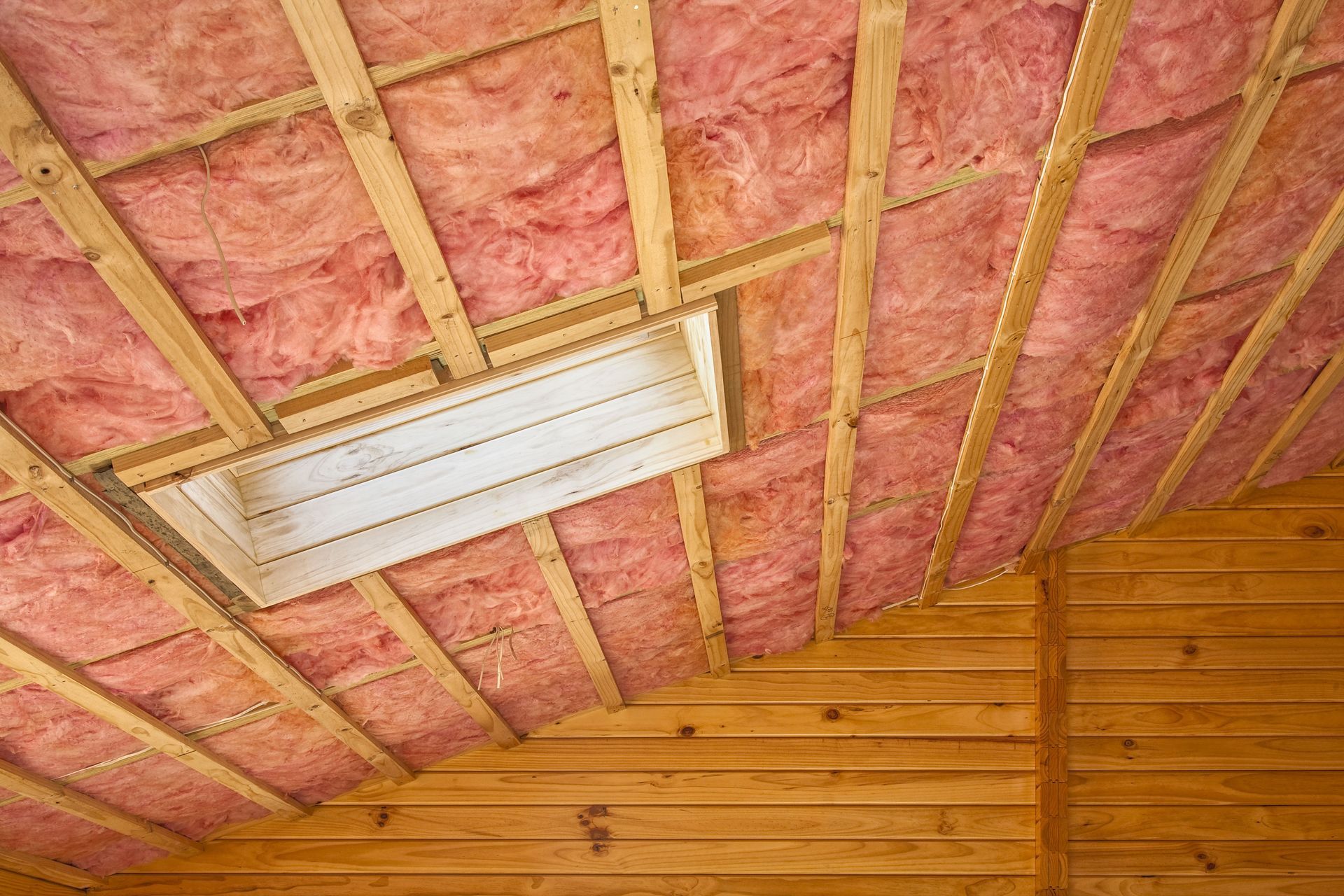
Various insulation materials offer distinct advantages. Fiberglass is affordable and easy to install, foam board provides high resistance to heat flow, and cellulose is eco-friendly for retrofit applications. Spray foam insulation provides superior air sealing and thermal performance, making it ideal for irregular spaces and reducing energy waste over time. According to Future Market Insights, the global spray foam insulation market was valued at approximately $2.18 billion in 2025 and is expected to grow substantially by 2035. Choosing the right material for specific areas of your home ensures maximum efficiency and comfort while meeting budget requirements.
Assess Your Home’s Insulation Needs
Conducting an energy audit is an essential first step in evaluating your home’s insulation. Professional auditors measure energy efficiency, detect air leaks, and assess current insulation levels to provide a detailed overview. They may use tools such as infrared cameras, blower doors, and thermal sensors to identify hidden problem areas that are not immediately visible. Homeowners can use this information to develop a strategic plan that targets the areas where improvements will have the greatest impact on energy savings. This proactive approach ensures that any upgrades are both cost-effective and tailored to the unique characteristics of the home, helping prevent wasted effort and unnecessary expenses.
Common problem areas include attics, walls, basements, and crawl spaces, which often contribute significantly to heat loss. Identifying these areas helps prevent drafts, moisture buildup, and uneven indoor temperatures, which can affect comfort and indoor air quality. Evaluating insulation in these spaces allows homeowners to prioritize upgrades where they are most needed, ensuring maximum energy efficiency. By addressing critical zones effectively, homeowners can improve comfort, reduce energy consumption, protect structural integrity, and minimize long-term repair costs associated with poor insulation.
Choose the Right Insulation Material
Fiberglass is widely used for its affordability and decent thermal performance but requires protective equipment during installation due to potential irritation. Foam board provides durability and high thermal resistance for walls, floors, and ceilings, while cellulose offers eco-friendly insulation with soundproofing benefits. Spray foam is highly effective for sealing irregular spaces and can significantly reduce energy loss, making it an investment that pays off over time. Understanding the strengths and limitations of each material allows homeowners to make choices that suit their home’s unique needs and climate.
When evaluating cost-effectiveness, homeowners must weigh initial expenses against potential energy savings. Lower-cost options like fiberglass and cellulose may be suitable for limited budgets but may not provide the same efficiency as spray foam or foam board. Selecting materials based on long-term performance ensures that the home insulation system delivers lasting value and protects the property against seasonal temperature extremes.
Apply Installation Techniques for Optimal Performance
Homeowners often consider DIY installation for simple projects, but professional installation ensures precise placement, particularly for high-performance materials like spray foam. Experts understand how to seal gaps, prevent air leaks, and optimize the coverage of insulation for maximum efficiency. They also know how to assess the home’s specific needs, taking into account factors such as climate, building design, and ventilation. Proper installation reduces the likelihood of energy loss, ensures that the home insulation performs according to its rated R-value, and prevents issues such as uneven coverage or compressed material that can diminish effectiveness over time.
Insulating attics, walls, and floors requires careful attention to sealing, ventilation, and material selection. Air barriers help minimize drafts and thermal bridging, which can compromise energy efficiency and indoor comfort. Professionals ensure that each layer of insulation is installed correctly, including around windows, doors, and HVAC penetrations, to maintain a continuous thermal envelope. Following best practices during installation guarantees that insulation maintains consistent indoor temperatures, protects heating and cooling systems from overwork, and extends the overall lifespan of the home’s energy systems.
Adjust for Seasonal Insulation Needs
Seasonal considerations are vital for maintaining comfort and efficiency. In winter, enhancing attic insulation, sealing drafts, and insulating pipes helps retain heat while reducing heating costs. Adding weatherstripping around doors and windows and checking for gaps in walls or ceilings further improves thermal performance. Homes that prepare for seasonal temperature changes can experience fewer fluctuations, improving overall indoor comfort during extreme weather and reducing stress on heating systems. Taking a proactive approach each season ensures that insulation continues to perform at its best and prevents unnecessary energy loss.
In hot climates, insulation focuses on keeping heat out of living spaces to reduce air conditioning demand and maintain cooler indoor temperatures. Reflective materials, radiant barriers, and adequate attic ventilation prevent excessive heat buildup while keeping living areas comfortable. Transitional seasons like spring and autumn provide opportunities to inspect insulation, identify worn or compressed areas, and make small adjustments that enhance energy efficiency. Regular seasonal maintenance helps insulation adapt to changing temperatures, ensuring consistent indoor comfort year-round and prolonging the life of your home’s energy systems.
Maximize Cost-Saving Benefits of Insulation
Investing in effective home insulation reduces energy consumption and lowers utility bills. Monitoring energy usage before and after installation provides homeowners with a clear picture of the improvements and tangible savings over time. Upgrading to high-performance materials, such as spray foam, can result in significant reductions in heating and cooling expenses while maintaining consistent indoor comfort. In addition, well-insulated homes often experience fewer cold spots and hot zones, creating a more uniform and comfortable living environment. Over the long term, these energy savings can offset initial investment costs and provide a measurable return on the insulation upgrade.
Government grants and rebates can offset the cost of insulation improvements, making high-quality upgrades more accessible to homeowners. These financial incentives encourage the adoption of energy-efficient materials and help homeowners achieve faster returns on investment. Properly installed insulation not only reduces energy bills but also enhances property value, supports the longevity of HVAC equipment, and decreases the home’s overall environmental impact.
Effective home insulation represents a long-term commitment to comfort, energy savings, and environmental responsibility. By selecting appropriate materials, ensuring professional installation, and maintaining performance, homeowners can enjoy consistent indoor comfort throughout the year. Investing in proper insulation improves both the financial and living conditions of a home while supporting sustainability goals. Partnering with us at A & A Insulation to ensure that your insulation investment delivers maximum benefits, both immediately and over the long term.