By Joshua Johns
April 8, 2026
Attic insulation is often overlooked by homeowners seeking energy efficiency improvements. However, it is one of the most crucial upgrades for reducing energy waste and lowering utility bills, and many attic insulation companies emphasize it as a top priority for improving overall home performance. This article explores the significance of attic insulation and how it can lead to substantial energy savings, a point frequently reinforced by professional attic insulation companies that specialize in energy efficiency solutions.
Understanding Insulation Materials
Attic insulation materials vary widely, each with its unique properties, and attic insulation companies often evaluate these differences when recommending solutions for homeowners. Common materials include fiberglass, cellulose, and foam, designed to prevent heat transfer from the interior of the house to the outside. Fiberglass is popular for its affordability and ease of installation, while cellulose offers a more eco-friendly option as it's made from recycled paper. Foam insulation, although more expensive, provides superior air barriers and higher R-values. Each material provides different levels of thermal resistance, impacting the overall energy efficiency, which attic insulation companies regularly assess during home evaluations.
Choosing the right insulation material depends on various factors such as climate, budget, and specific energy efficiency goals, and attic insulation companies typically guide homeowners through this decision-making process. Fiberglass may suit warmer climates where the main goal is to prevent heat gain, while foam is ideal for colder areas needing higher thermal resistance. Foam can seal air leaks effectively, which is crucial since air leakage can result in significant energy loss. According to ENERGY STAR®, air sealing and adding insulation to a property can drop heating and cooling costs by an average of 15% in standard homes. As energy codes become stricter, selecting the appropriate material becomes even more critical for compliance and efficiency, something attic insulation companies routinely account for in their recommendations.
The role of insulation goes beyond temperature regulation; it influences indoor air quality and building integrity, a fact well understood by experienced attic insulation companies. For instance, foam insulation can act as a barrier against pollutants and allergens. This not only improves comfort but also contributes to a healthier living environment. Fiberglass and cellulose can also help with noise reduction, making homes more tranquil. Understanding these benefits can guide homeowners in making informed decisions about their attic insulation.
Types of Insulation: Batt, Blown-In, and Spray Foam
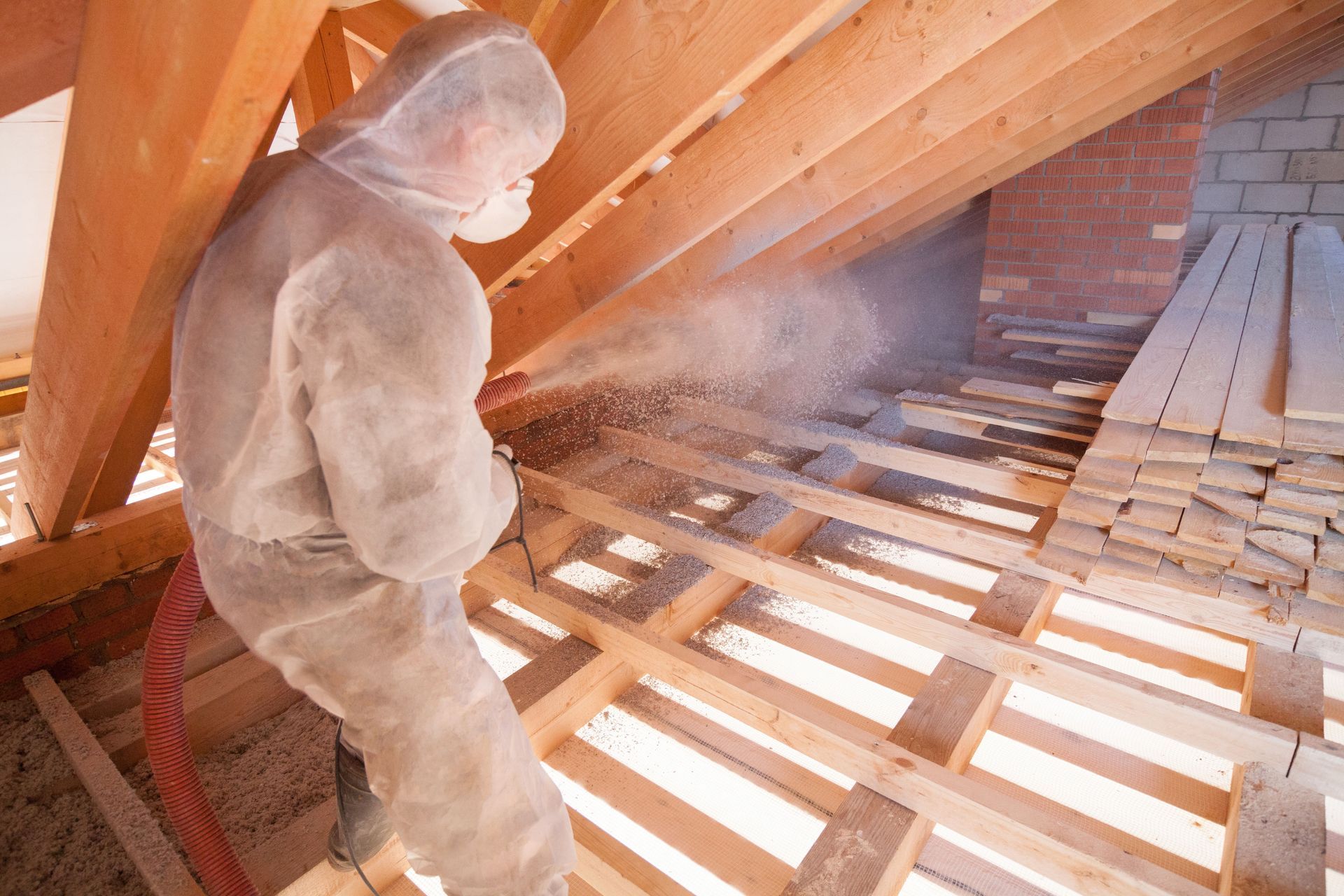
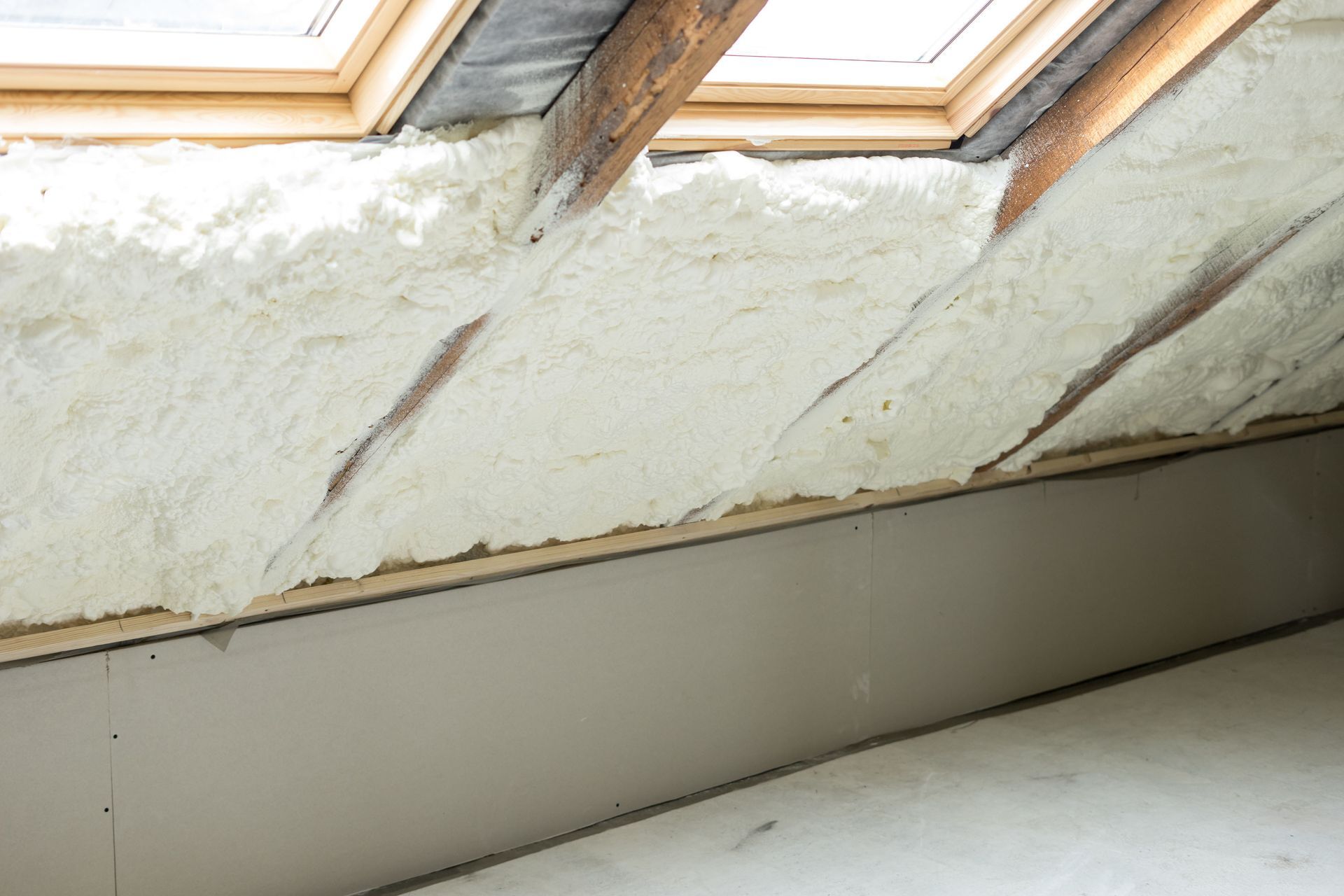
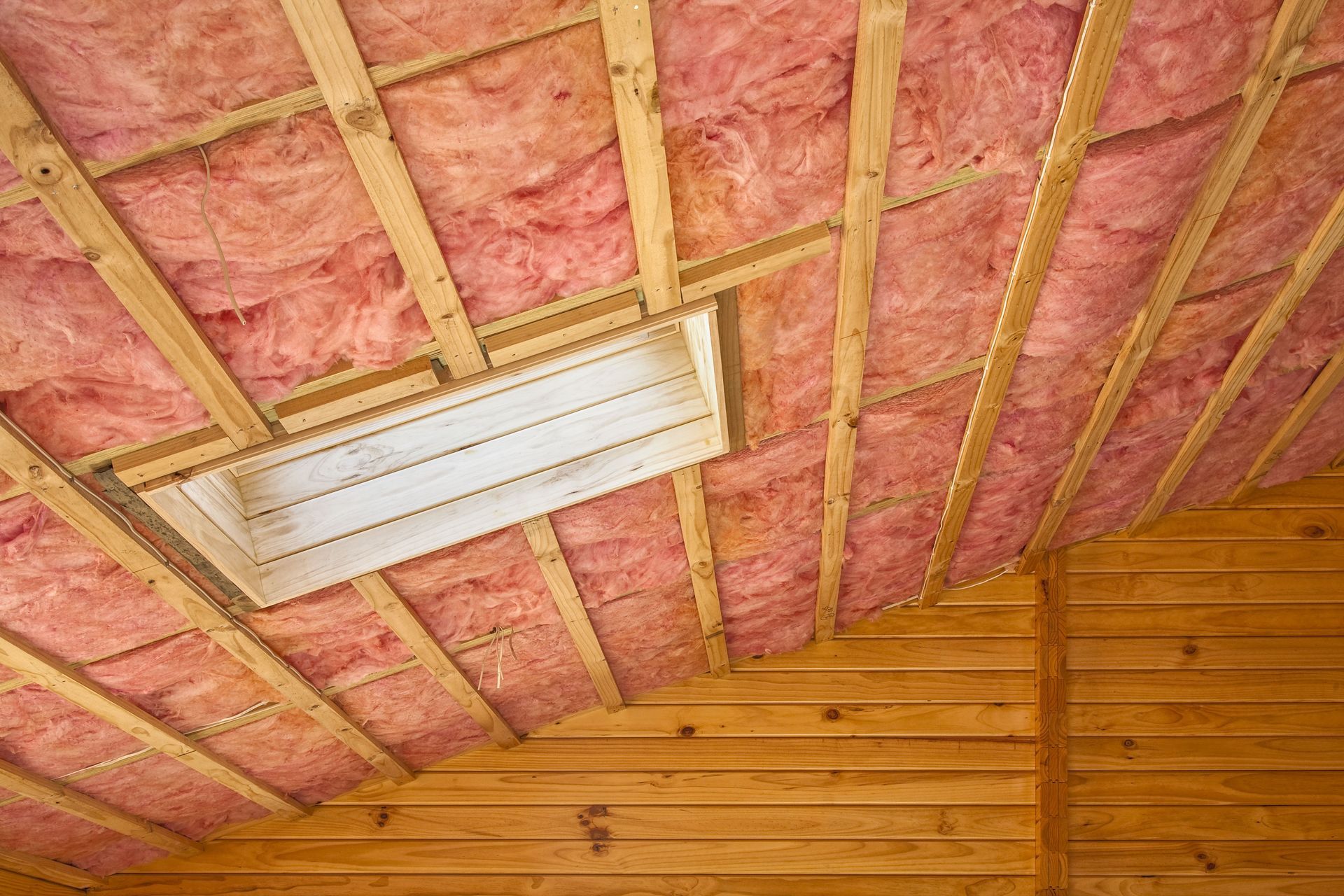
The primary types of attic insulation include batt, blown-in, and spray foam insulation, and attic insulation companies often help homeowners choose between these based on structure and performance needs. Batt insulation is typically made from fiberglass and comes in large rolls, making it easy to handle and install without special equipment. Blown-in insulation, commonly made from cellulose or fiberglass, is installed using a mechanical blower, allowing it to fill nooks and crannies better than batt insulation. Spray foam, although the most expensive, offers the highest R-value and is self-sealing, which helps eliminate air leaks. Each type has its advantages and is suited for different attic configurations and insulation needs, according to many attic insulation companies.
Blown-in insulation is advantageous for attics with irregular formations or obstructions where batt insulation can't fit. It is also convenient for adding insulation to existing spaces without having to disturb the infrastructure. Spray foam, used in both open-cell and closed-cell forms, expands after application, creating an air barrier that combats moisture, mold, and energy loss. Such performance is why spray foam is often recommended in regions with extreme weather conditions by attic insulation companies. However, the initial cost should be weighed against lifetime energy savings when deciding on insulation types.
Choosing between these types involves considering factors such as ease of installation, cost, and specific household needs, and attic insulation companies frequently assist in balancing these priorities. For instance, batt insulation might be ideal for DIY enthusiasts seeking a cost-effective solution. In contrast, those looking to maximize energy savings and long-term benefits may opt for spray foam despite its higher upfront cost. Similarly, blown-in insulation is perfect for retrofitting projects where coverage flexibility is essential. The choice should align with both the budget and energy-saving goals of the homeowner.
R-Value: What It Means and Why It Matters
The R-value of insulation measures its thermal resistance, indicating its effectiveness in preventing heat transfer, and attic insulation companies often use this metric when designing insulation plans. A higher R-value means better insulation performance, which is crucial for maintaining comfortable indoor temperatures year-round. The required R-value varies depending on the climate and the part of the house being insulated. In colder regions, a higher R-value is necessary to combat heat loss, while milder climates may suffice with lower R-values. It's important to select insulation materials and thickness that meet or exceed local energy codes for maximum efficiency, a standard practice among attic insulation companies.
R-values are not one-size-fits-all; they need to be tailored to specific conditions and requirements of a home, something attic insulation companies evaluate during inspections. The U.S. Department of Energy provides R-value recommendations for different zones across the country, providing guidelines for optimal insulation. For attic spaces, increasing the R-value can significantly improve energy retention and reduce heating and cooling demands. This improved efficiency translates into tangible savings on utility bills and reduced environmental impact. Therefore, understanding and applying the correct R-value is a critical component of effective attic insulation planning.
Improper R-value application can result in inadequate insulation, leading to energy losses and discomfort, which is why attic insulation companies stress proper installation. While higher R-values effectively block heat transfer, excessive insulation can cause ventilation issues if not properly managed. To avoid such problems, professional installation can ensure that the correct balance is achieved. This also involves considering the insulation's ability to act as an air and vapor barrier to prevent moisture build-up. Consequently, a well-planned R-value implementation enhances both short-term energy efficiency and long-term structural health.
Installation Process Overview
Installing attic insulation entails several crucial steps to ensure effective coverage and performance, and attic insulation companies typically follow structured procedures to achieve optimal results. The process generally begins with assessing the existing insulation and identifying areas requiring improvement or additional insulation. This is followed by sealing any air leaks, as these can significantly undermine insulation's effectiveness by allowing air to escape. Next, the chosen insulation material is installed using appropriate techniques, ensuring it covers the designated area without leaving gaps. Proper installation is vital as poorly installed insulation reduces its efficacy and potential energy savings, something attic insulation companies work to prevent.
Successful installation also considers the attic's ventilation needs. Proper ventilation prevents heat and moisture build-up, which can lead to mold growth and structural damage over time. The installation must be done in line with local building codes, often involving professional intervention to guarantee compliance and efficiency from attic insulation companies. Techniques vary depending on the insulation type; for instance, batt insulation requires cutting and fitting into spaces, while spray foam involves a specialized spraying process. Each technique requires precision to achieve the intended insulation results effectively.
Post-installation, regular inspections and maintenance help ensure the continued performance of the insulation, a service often recommended by attic insulation companies. Over time, factors such as settling, damage, or pest infestation can compromise insulation quality. Routine checks can identify these issues early, allowing for timely repairs or upgrades if needed. Investing in knowledgeable professionals for both installation and follow-up care enhances both the insulation's lifespan and its energy-saving capabilities. This proactive approach further solidifies attic insulation's role as a cornerstone of sustainable energy management.
Ultimately, attic insulation should be viewed as a foundational component of an efficient home rather than an optional enhancement, a perspective strongly supported by attic insulation companies. With proper planning, material selection, and professional installation, homeowners can maximize energy savings while improving overall property performance. Whether upgrading existing insulation or installing it for the first time, taking action in the attic can create lasting benefits that extend throughout the entire home for years to come. Reach out to A & A Insulation when you're looking to upgrade your attic insulation effectively.