In this guide, we will explore the essential steps to hiring insulation companies effectively. This comprehensive approach aims to ensure energy efficiency and comfort in your home or business. We will cover everything from preliminary research and setting budgets to evaluating proposals and post-installation assessments. Understanding the nuances involved in these processes can significantly impact the outcome and eventual savings. An informed decision-making process leads to better quality service and reduces the potential for unforeseen complications when working with insulation companies.
Understanding Your Insulation Needs
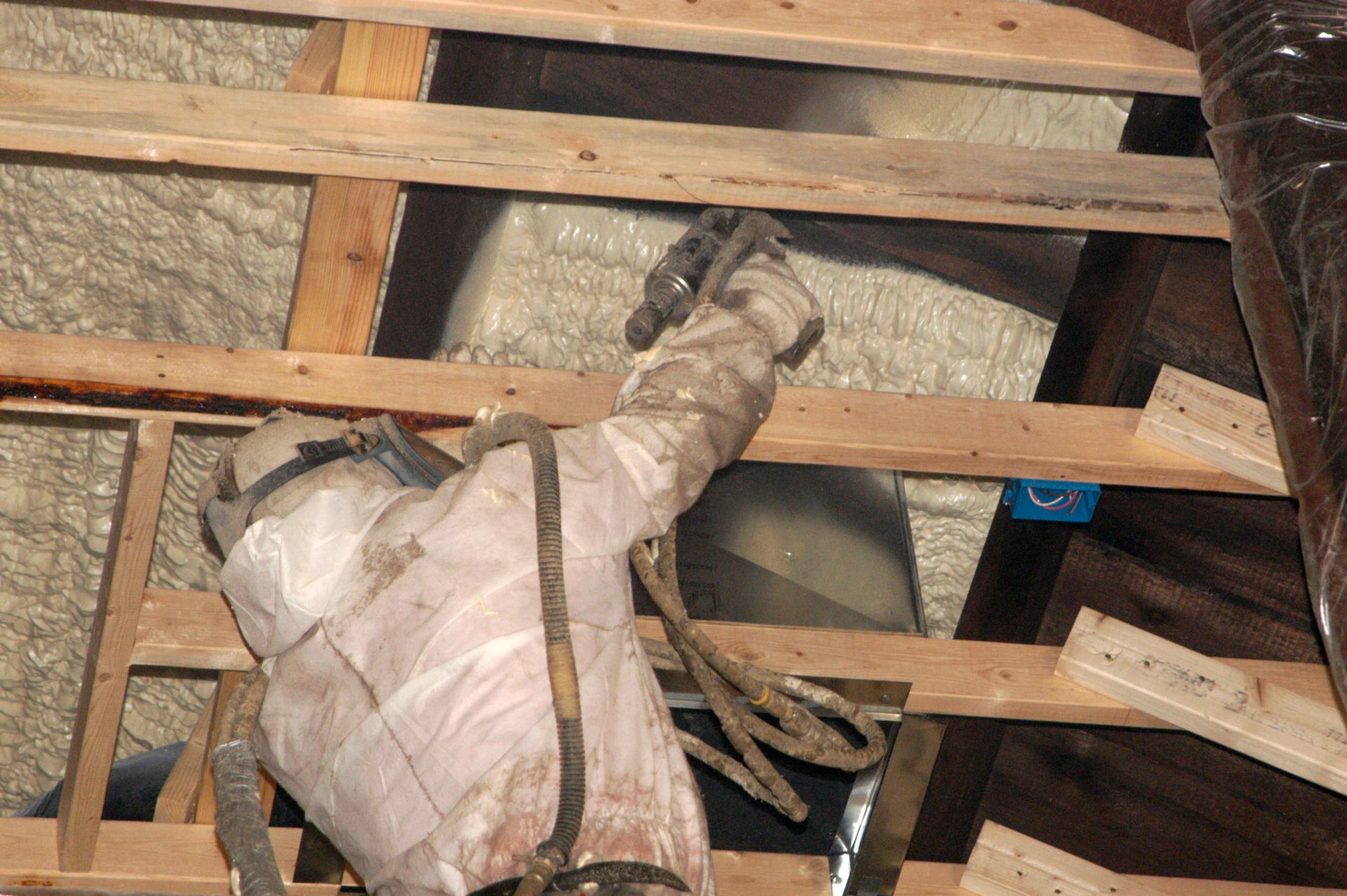
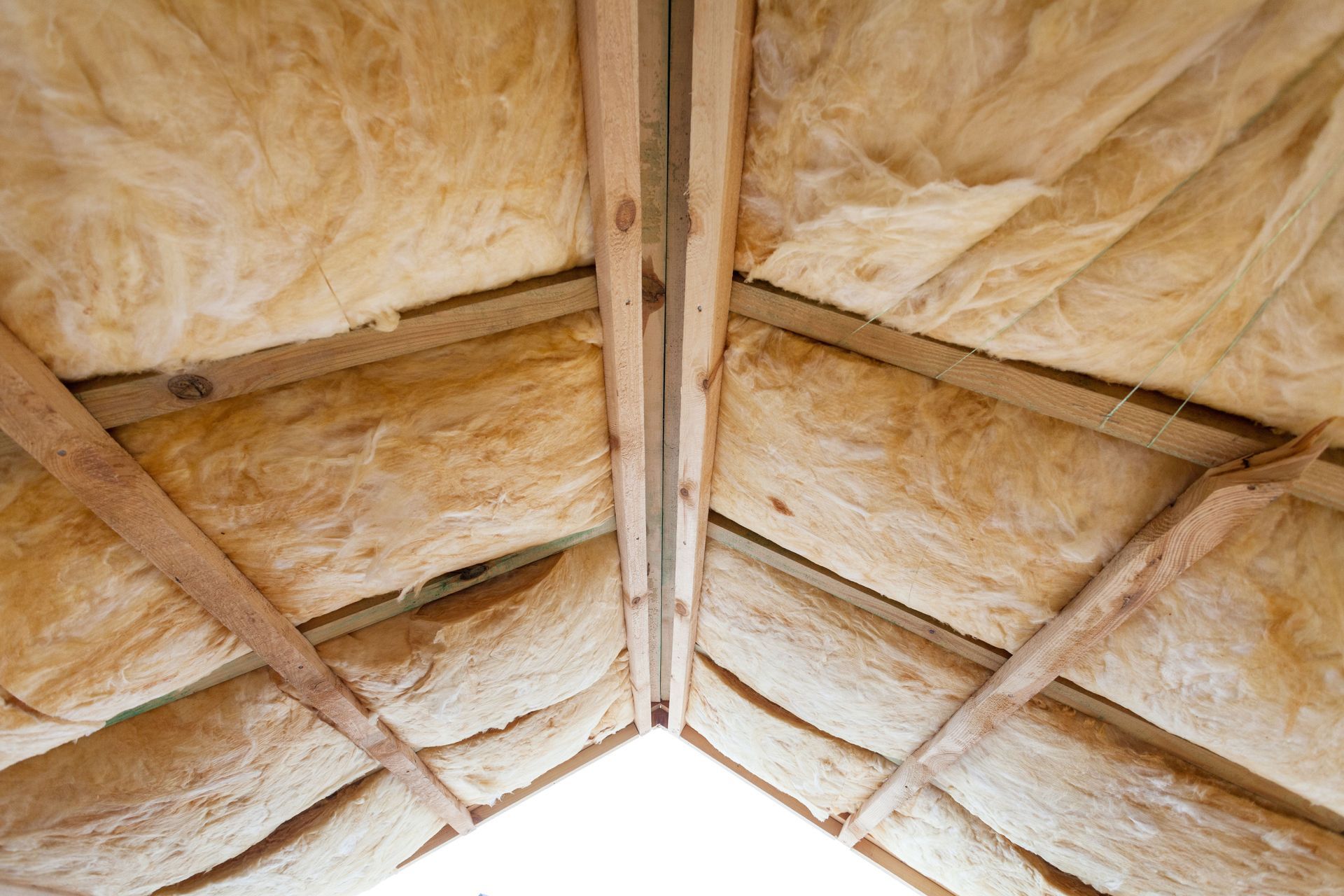
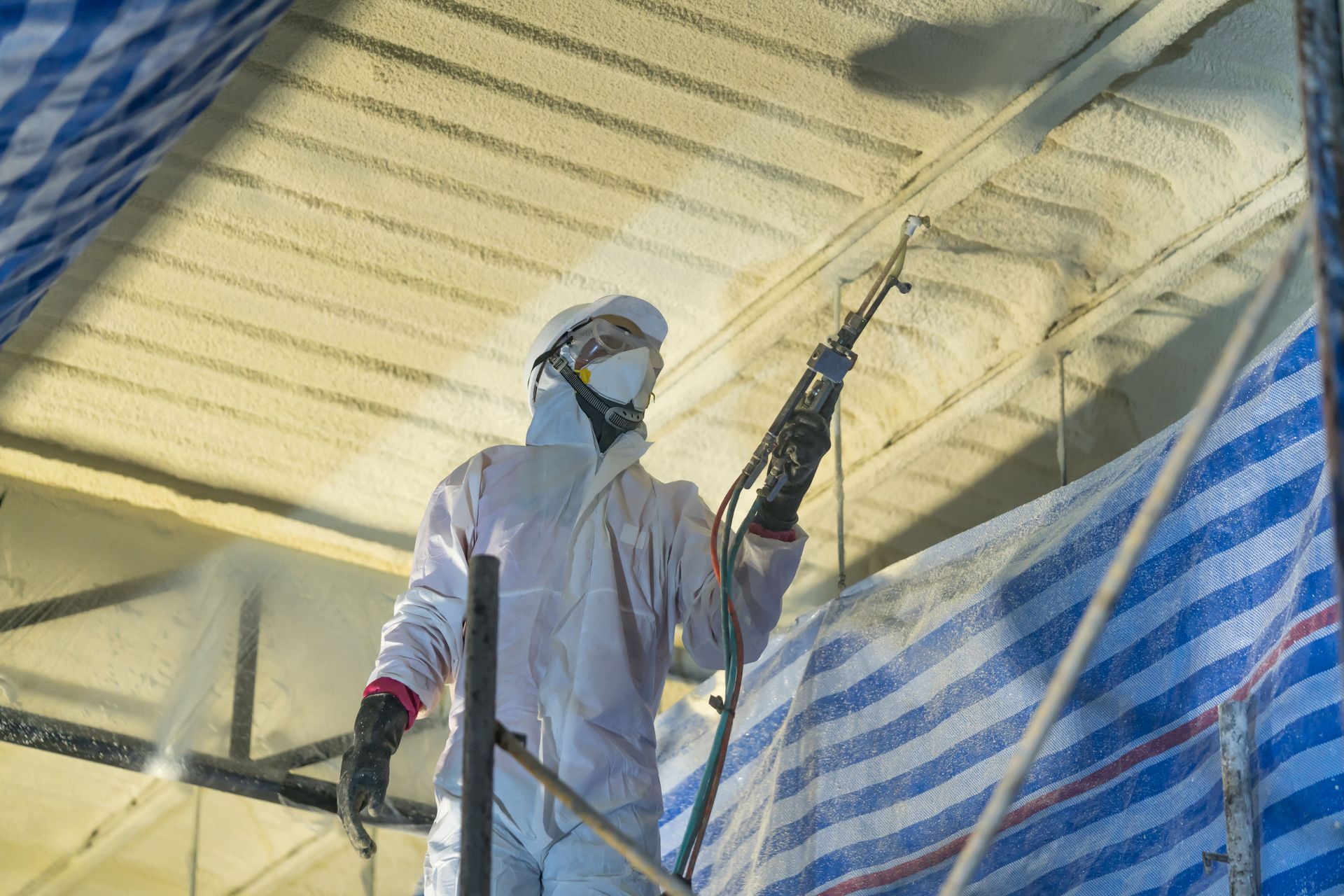
Understanding your insulation needs is the first and most crucial step in ensuring energy efficiency. There are various types of insulation materials available, each with distinct advantages and purposes. Familiarize yourself with options like fiberglass, cellulose, and spray foam to determine which suits your specific needs. Taking the time to evaluate different materials helps in aligning your objectives with the budget and environmental considerations you have set. Consider consulting an expert to get a clear idea of the material that will work best for your location and structure when selecting insulation companies.
Identifying areas that require insulation is another vital aspect of this process. Conduct a thorough inspection to ascertain which areas of your home or business are inadequately insulated. Often, spaces like attics, basements, and walls require additional attention. Prior analysis prevents resources from being spent excessively or unnecessarily. According to Precedence Research, the U.S. insulation market was valued at about 10.92 billion in 2025, emphasizing the importance of making informed decisions with reputable insulation companies.
Researching Potential Companies
Researching potential companies is a critical phase in hiring for insulation. An effective starting point is to check licensing and certification, ensuring that the company meets the local regulations and is recognized by industry bodies. Verifying credentials helps in establishing the trustworthiness and professionalism of prospective contractors. Another consideration is to ensure that the companies are bonded and insured, thereby protecting you from liabilities during installation. Due diligence can save time, money, and stress down the line when selecting insulation companies.
When comparing company portfolios, focus on their experience and expertise. An experienced crew is likely to exhibit an extensive range of successful projects and testimonials highlighting efficiency and efficacy. Reviewing portfolios allows you to explore the range of services, style, and technological adeptness each company offers. Do not hesitate to request additional references that can vouch for their track record. Authentic public records and business ratings also offer transparency and assurance.
Budgeting and Cost Considerations
Effective budgeting involves understanding various cost factors associated with insulation services. Factors such as material type, installation complexity, and labor costs often influence the total estimate. Each insulation type has its initial expense, long-term cost savings, and potential energy efficiency benefits. Comprehensive budgeting ensures you are prepared for financial commitments while evaluating whether the investment aligns with your long-term energy goals. Remember, a detailed and well-forecasted budget minimizes future regrets or financial strains.
Evaluating energy savings against the costs helps determine the actual value your investment delivers. Projected savings can often justify higher initial costs due to their long-term returns. Consider exploring financing and incentive options available through local energy programs or rebates to balance financial demands. Avoid the pitfalls of choosing the lowest bid, as it often results in compromised quality or added future maintenance issues. By ensuring the selection of reliable insulation companies, you can secure the integrity and efficiency of the entire project.
Evaluating Proposals and Contracts
The process of evaluating proposals and contracts begins by delving into the scope of work detailed in the document. Comprehensive insight into the tasks included, whether simple installation or energy audits, allows you to set project expectations. Ensure the proposal covers material quality, timelines, and any supplementary services necessary for successful insulation. Considerations of quality and compliance can reduce the chances of project interruptions. In this context, clear articulation of each party’s roles fosters a smoother collaboration with insulation companies.
Understanding the timeline and milestones is the next critical step. Set clear timelines including start and end dates, key phases, and projected completion dates. Documenting these details allows you to track progress effectively, minimizing disruptions to your normal operations. Having well-defined milestones also assures accountability and enables course corrections as necessary. Upon ascertaining the timeline, the contractor’s ability to meet these expectations can be realistically evaluated.
Overseeing the Installation Process
Before installation begins, preparing your home or business is essential. Addressing logistical considerations helps the installation process flow smoothly. Remove obstacles and ensure access pathways are clear to avoid unnecessary disruptions. Cleaning and covering valuable items can protect them from potential damage. A streamlined preparation phase contributes to efficient and trouble-free execution of tasks by the team.
Effective communication with the installation team establishes expectations and enhances teamwork. Regular updates and ongoing dialogue ensure alignment between your expectations and the contractor’s work. Rapid response to queries and adaptation to sporadic decisions promotes positive relationships, ensuring the successful implementation of services. Active participation during inspections and reviews keeps everyone engaged. A collaborative approach empowers timely resolutions for any emerging complications or changes required.
Monitor the installation progress closely while addressing any issues promptly. Conduct periodic site reviews to ensure installations conform to outlined plans and codes. Any deviation or evolving need can be detected early, minimizing costs and interruptions. Encouraging open channels for feedback invites improvements and innovations to the procedure. Finally, a thorough final walkthrough ensures that specifications are met precisely, rectifying misconceptions or missed points decisively with professional insulation companies.
Assessing Post-Installation Performance and Maintaining Systems
Once the installation is complete, inspecting insulation performance is crucial. Periodically test the newly installed system to ensure it meets the efficiency expectations discussed. An energy audit can reveal how well the insulation integrates with the rest of the building infrastructure. By examining the outcomes, you can validate the return on your investment. Such assessments help you ensure a seamless transition from installation to regular use.
Scheduling regular maintenance prevents minor issues from escalating into major problems. Instruct the team to check insulation regularly, ensuring that performance remains efficient and reliable over time. Plan ahead and follow a maintenance schedule based on the contractor’s recommendations. Timely interventions extend the time you benefit from optimal energy savings. Diligence in this area maximizes life span and returns from your investment.
Identifying signs of insulation issues early helps you deal with potential pitfalls before they impact energy costs adversely. A well-maintained installation usually results in fewer issues, however, spots of moisture, draftiness, or fluctuating energy bills may signal underlying problems requiring professional intervention. By re-evaluating energy efficiency and remaining energy-conscious over time, you're adapting to evolving building demands and environmental conditions. Planning for future updates is also recommended as technologies progress and building needs change. In adapting strategies over time, you continuously benefit from improved energy efficiency and comfort when relying on skilled insulation companies.
Effectively hiring an insulation company involves a thorough process from start to finish. By understanding your insulation needs, researching companies, managing budgets, evaluating proposals, overseeing installations, and maintaining post-installation quality, you ensure optimal energy efficiency and comfort. Adopting this structured approach helps secure a valuable return on your insulation investment over the long term. It empowers you to make educated decisions and collaborate effectively with professional services. In doing so, you create an energy-efficient space that enhances both aesthetics and value.
If you’re ready to improve your home’s comfort and energy efficiency, contact A & A Insulation today. Our experienced team is dedicated to providing expert insulation solutions tailored to your needs. Schedule your consultation and take the first step toward a more comfortable, energy-efficient home with leading insulation companies.