By Joshua Johns
February 9, 2026
Homeowners today are increasingly looking for solutions that improve comfort, reduce energy costs, and protect their property for the long term. As energy efficiency standards rise and utility costs continue to fluctuate, insulation has become a central focus in modern home improvement projects. Among the available options, spray foam insulation has gained considerable attention for its ability to provide superior sealing and insulating performance compared to traditional materials.
The growing interest in advanced insulation methods is also supported by strong industry trends. According to Grand View Research, the United States insulation market is projected to grow at a compound annual growth rate of 6.6 percent between 2025 and 2033. This expansion reflects homeowners’ increasing awareness of energy conservation and the desire to create more sustainable living environments. With its ability to improve efficiency, strengthen structural integrity, and enhance indoor air quality, spray foam insulation continues to stand out as a transformative solution for residential properties.
What Is Spray Foam Insulation and How Does It Work?
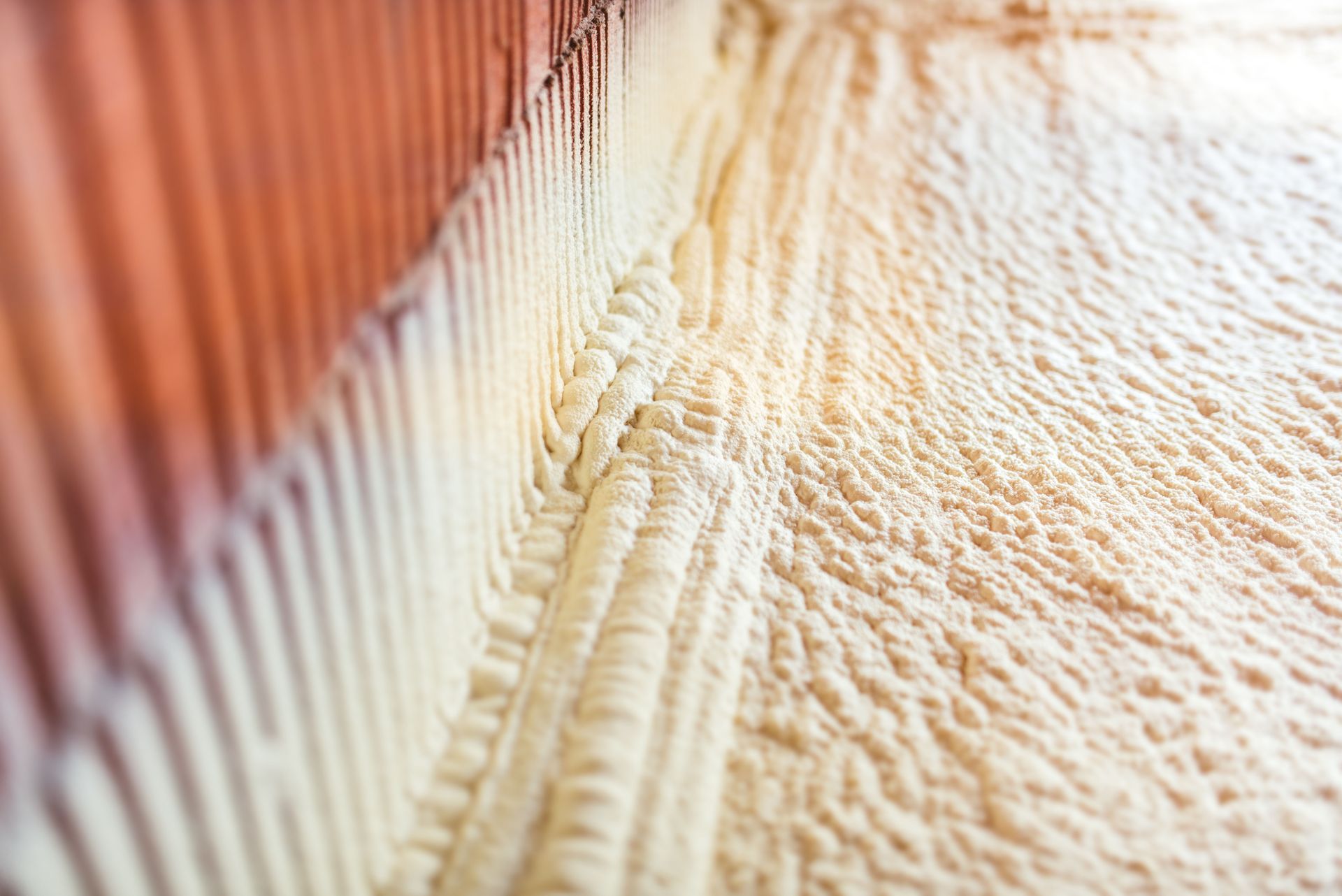
Insulation serves as a protective barrier that regulates indoor temperatures by limiting heat transfer. Spray foam insulation functions differently from traditional insulation materials because it expands upon application, filling cracks, crevices, and hard-to-reach areas. This expansion allows it to create a continuous seal that helps prevent air leakage throughout the home.
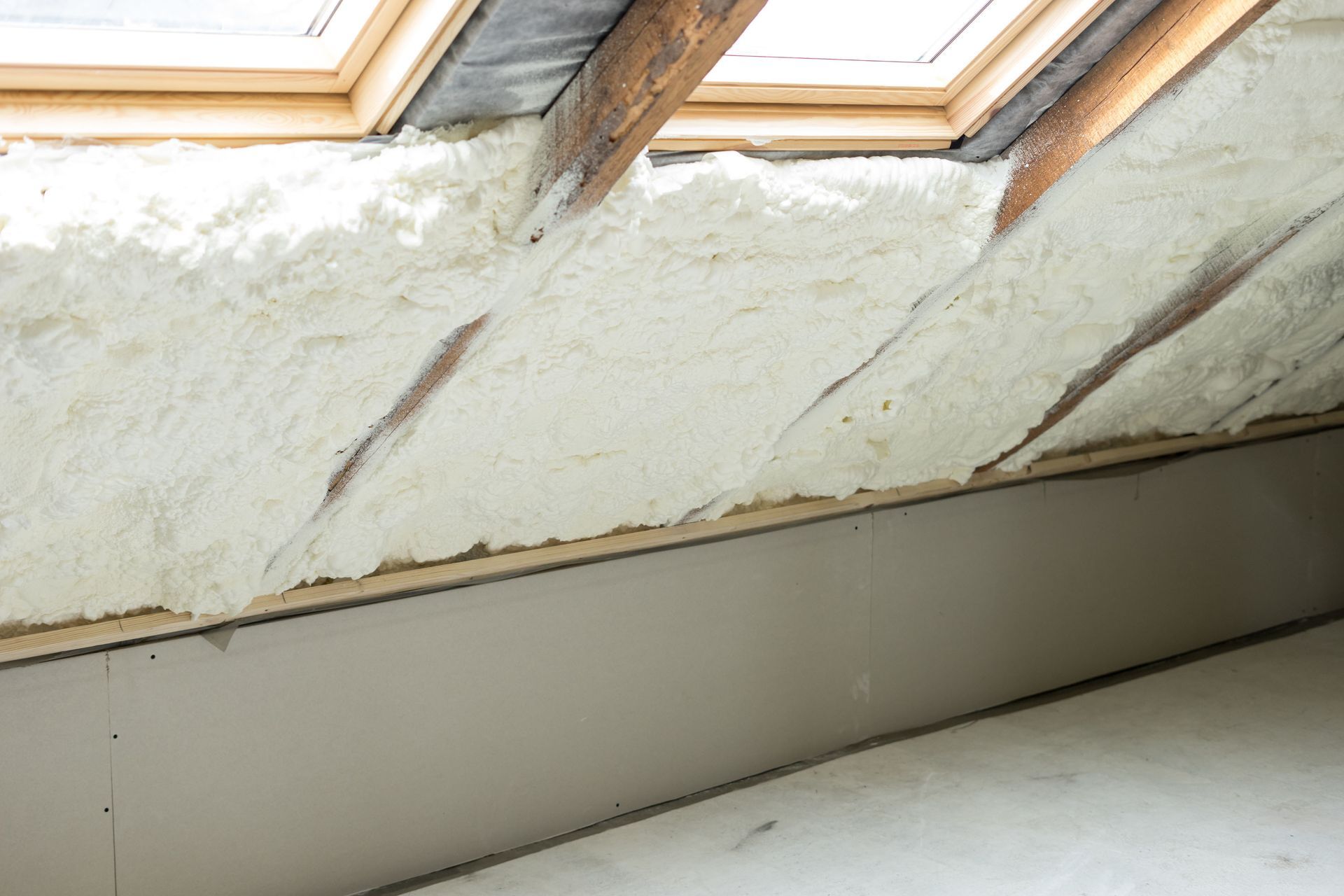
The application process involves spraying a liquid foam mixture onto surfaces such as walls, attics, crawl spaces, and ceilings. Once applied, the material quickly expands and hardens, forming a dense, durable barrier. This sealing capability helps eliminate small gaps where air typically escapes, making spray foam insulation particularly effective for maintaining consistent indoor temperatures.
There are two primary types of spray foam insulation used in residential settings: open-cell foam and closed-cell foam. Open-cell foam is lighter and more flexible, making it suitable for interior applications where sound reduction is beneficial. Closed-cell foam, on the other hand, is denser and provides higher moisture resistance, making it ideal for areas exposed to humidity or extreme weather conditions. Both types deliver strong insulating performance while helping improve overall building durability.
How Does Spray Foam Insulation Enhance Energy Efficiency?
Energy efficiency is one of the most compelling reasons homeowners choose advanced insulation solutions. Traditional insulation materials often leave small gaps or settle over time, allowing conditioned air to escape. Spray foam insulation addresses these challenges by creating an airtight seal that reduces unwanted airflow throughout the structure.
When air leaks are minimized, heating and cooling systems do not have to work as hard to maintain comfortable temperatures. This reduction in system workload typically leads to lower energy consumption and more stable indoor conditions throughout the year. Many homeowners notice improved temperature consistency between rooms, especially in areas that previously experienced drafts or uneven heating.
The environmental impact of improved insulation is also significant. Reduced energy usage helps decrease reliance on fossil fuels and lowers greenhouse gas emissions associated with heating and cooling systems. Spray foam insulation supports environmentally responsible homeownership by promoting efficient energy use and reducing overall carbon footprints.
In addition to minimizing heat transfer, the material’s moisture-resistant properties help protect structural components from water infiltration. By reducing the likelihood of mold growth and water damage, spray foam insulation contributes to maintaining a home’s long-term efficiency and structural reliability.
Is Spray Foam Insulation Worth the Investment?
Home improvement projects often require homeowners to balance upfront costs with long-term savings. While spray foam insulation typically has a higher initial installation cost than traditional insulation options, its long-term financial benefits often justify the investment.
The energy savings generated by improved insulation can significantly offset installation expenses over time. Reduced heating and cooling costs allow homeowners to recover their investment through lower monthly utility bills. In many cases, the durability and performance of spray foam insulation extend the lifespan of HVAC systems by reducing strain and minimizing maintenance requirements.
Another factor contributing to its value is the material’s longevity. Unlike some traditional insulation products that may degrade, shift, or lose effectiveness over time, spray foam insulation maintains its structure and performance for many years. This durability reduces the need for frequent replacement or repairs, providing homeowners with reliable, consistent insulation performance.
Enhanced property value is another potential benefit. Homes with advanced insulation systems are often more attractive to buyers seeking energy-efficient properties. As sustainability becomes a priority in real estate markets, features such as spray foam insulation can serve as a valuable selling point that differentiates a home from comparable properties.
What Are the Health and Safety Benefits of Spray Foam Insulation?
Indoor air quality plays a critical role in maintaining a healthy living environment. Air leaks in poorly insulated homes allow dust, pollen, and outdoor pollutants to enter living spaces. By creating an airtight barrier, spray foam insulation helps limit the infiltration of these airborne contaminants, improving overall indoor air quality.
Reducing moisture infiltration is another important health benefit. Excess moisture inside walls and ceilings can create conditions that promote mold and mildew growth. Spray foam insulation helps regulate moisture levels by sealing gaps where water vapor might otherwise enter. This moisture control contributes to preventing mold-related health concerns and maintaining safer indoor environments.
Temperature consistency provided by effective insulation also enhances occupant comfort. By reducing drafts and eliminating cold or hot spots, spray foam insulation supports a more balanced indoor climate. Stable indoor temperatures not only improve comfort but also help protect household furnishings, flooring, and electronics from damage caused by fluctuating humidity and temperature levels.
Additionally, some types of spray foam insulation contribute to soundproofing benefits. The expanded foam structure helps reduce noise transmission between rooms and from outdoor sources, creating a quieter and more comfortable living environment.
How Does Spray Foam Insulation Compare to Other Insulation Types?
When selecting insulation materials, homeowners often compare spray foam insulation with traditional options such as fiberglass and cellulose. Each material offers unique benefits, but spray foam insulation consistently demonstrates advantages in several key areas.
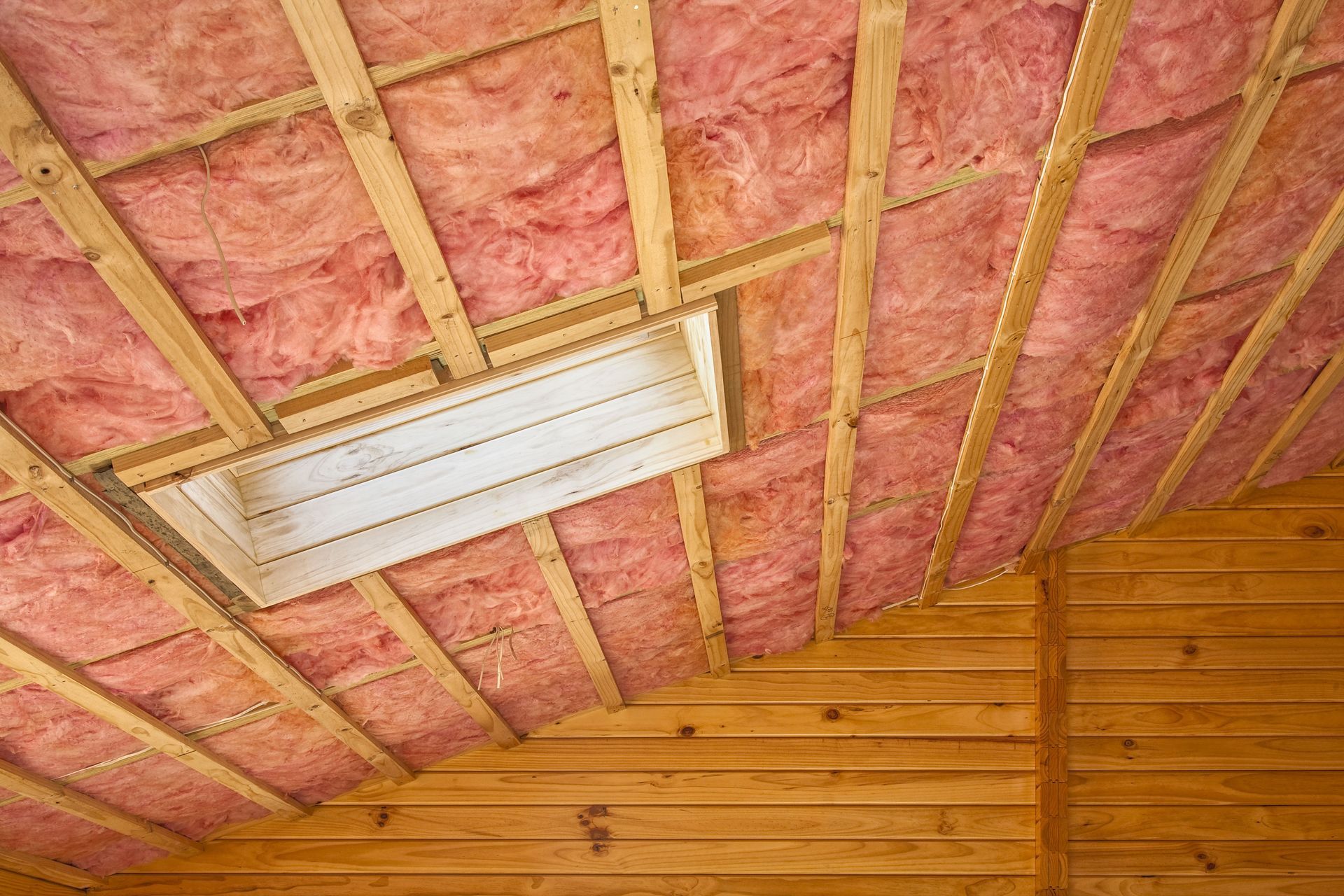
Fiberglass insulation is one of the most commonly used materials due to its affordability and accessibility. However, fiberglass typically does not create an airtight seal, which can allow air leakage and reduce energy efficiency. Over time, fiberglass insulation may also settle or shift, creating gaps that compromise performance.
Cellulose insulation is made from recycled paper products and offers strong thermal resistance. While cellulose can provide effective insulation in certain applications, it may be susceptible to moisture absorption if not properly treated. Spray foam insulation, particularly closed-cell varieties, offers superior moisture resistance and structural reinforcement.
Durability is another area where spray foam insulation excels. Its rigid structure helps strengthen building components and maintain consistent insulating properties over extended periods. Traditional insulation materials may require replacement or reinforcement due to wear or settling, while spray foam insulation typically retains its effectiveness with minimal maintenance.
Application versatility also sets spray foam insulation apart. The expanding foam can be applied to irregular surfaces and hard-to-reach areas, ensuring comprehensive coverage. This adaptability allows it to address insulation challenges in complex architectural designs and renovation projects where traditional materials may be difficult to install effectively.
Improving home insulation is one of the most effective ways to enhance comfort, efficiency, and long-term property value. Spray foam insulation offers exceptional sealing capabilities, reduces energy consumption, supports healthier indoor air quality, and provides lasting durability. As homeowners continue seeking reliable and sustainable solutions, spray foam insulation remains a practical investment that helps create comfortable, energy-efficient living spaces while supporting long-term structural protection. If you're considering
spray foam insulation, reach out to the team at A & A Insulation today!