By Joshua Johns
February 9, 2026
Hiring the right insulation contractor can make a significant difference in your home’s energy efficiency, comfort, and long-term savings. Insulation plays an essential role in regulating indoor temperatures, cutting utility costs, and enhancing overall comfort year-round. But choosing the right professional to install or replace insulation isn’t always straightforward. With so many options available, asking the right questions early can save you time, money, and frustration down the road.
Before you invite a contractor into your home or sign any agreement, it’s important to understand their experience, approach, and recommendations. Being informed helps you evaluate proposals more critically and avoid common pitfalls. This blog will guide you through four essential questions to ask insulation contractors before making a hiring decision, helping you feel confident and prepared as you move forward with your project.
1. What Experience Do You Have With Projects Like Mine?
Ask a contractor about their specific experience with projects similar to yours to ensure they can meet your expectations. Not all insulation work is the same. For example, installing spray foam in an attic differs greatly from insulating walls in an older home. Contractors with relevant experience will better understand the challenges and solutions that fit your situation.
When a contractor explains past work, listen for details like the types of buildings they’ve worked on and the insulation materials they commonly install. Ask for references or examples of completed jobs. Talking to past clients can reveal insights about quality, timeliness, and communication. A contractor who has handled projects like yours is more likely to anticipate problems before they arise and offer proven solutions that align with your needs.
Experience also reflects a deeper understanding of local building codes, weather considerations, and energy efficiency goals. Experienced insulation contractors will not only install insulation correctly but also help ensure compliance with regulations and industry standards. This background minimizes surprises and increases the likelihood that your insulation performs as expected over the long term.
Asking about experience helps you separate general handymen from insulation professionals who understand the nuances of this specialized work. Taking the time to vet experience gives you confidence that your investment will pay off in energy savings and home comfort.
2. What Types of Insulation Do You Recommend and Why?
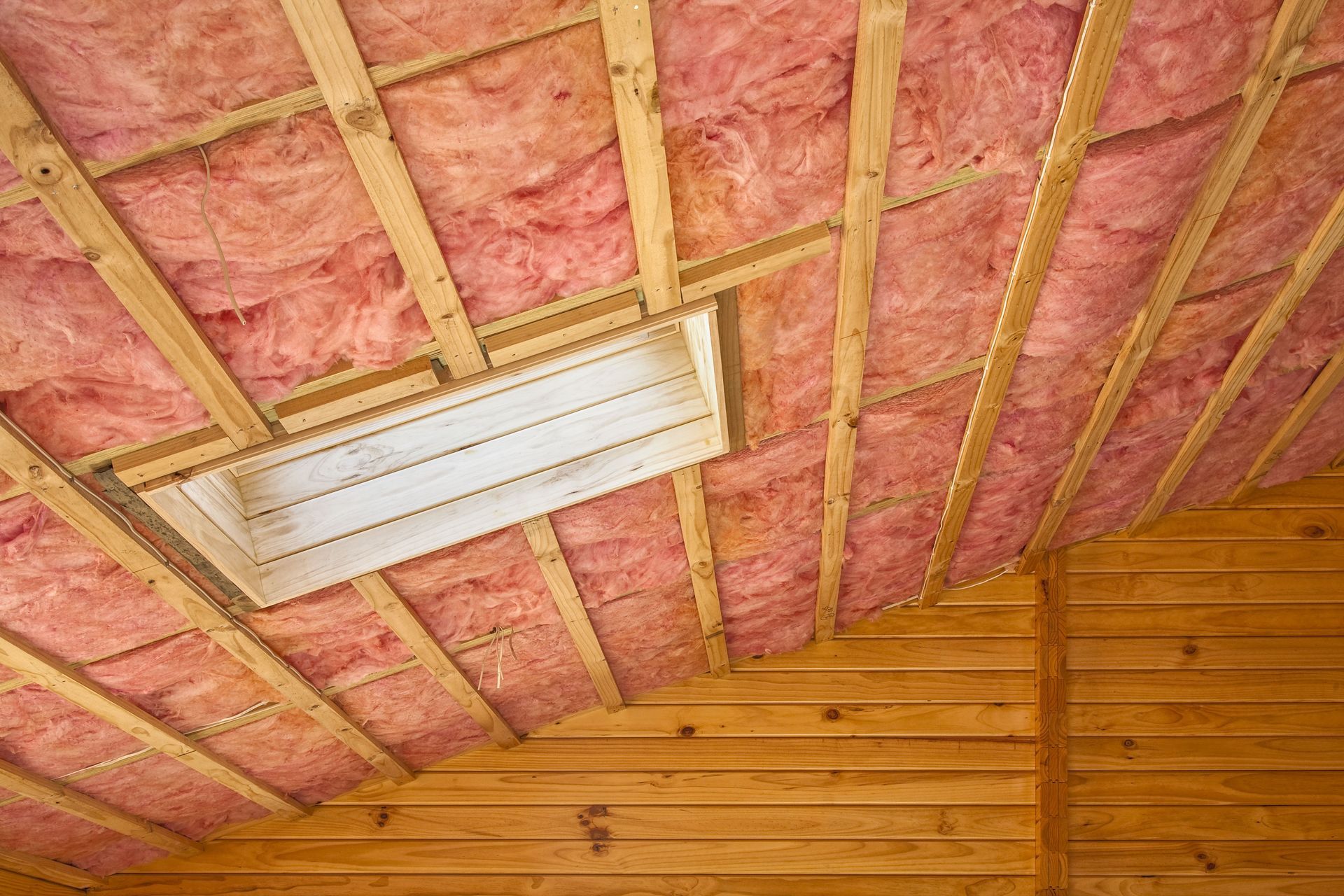
Identifying what insulation materials a contractor recommends, and the reasons behind those recommendations, can reveal a lot about their knowledge and priorities. There are many insulation options available, including fiberglass, cellulose, spray foam, and rigid foam boards. Each material has its own benefits, costs, and ideal applications. A well-informed contractor should explain the pros and cons of each choice in the context of your home.
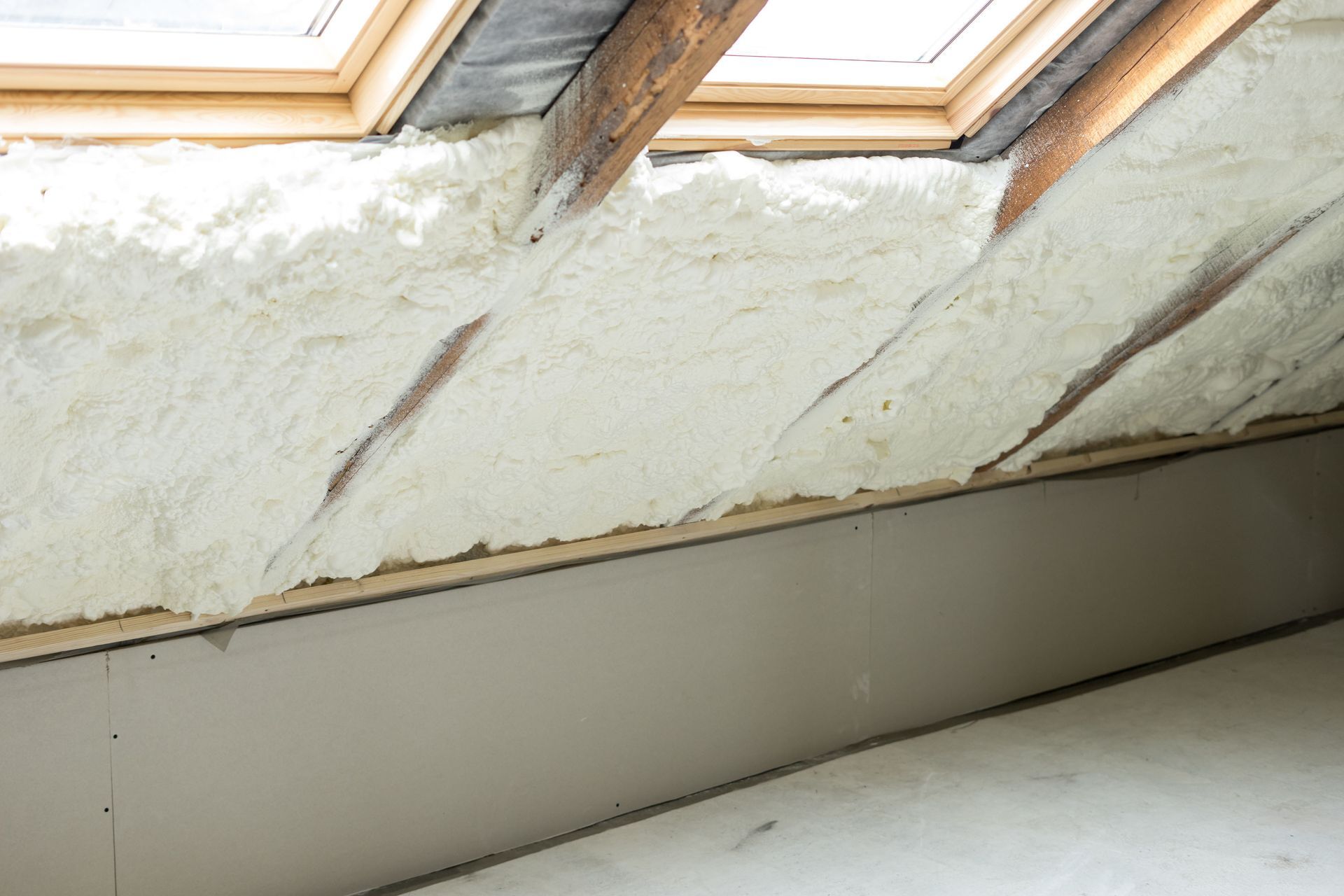
For instance, spray foam offers excellent air sealing, while cellulose can be an eco-friendly and cost-effective option for existing wall cavities. The contractor should connect these characteristics to your project goals, whether it’s lowering energy bills, improving comfort, or reducing noise. If a contractor pushes a one-size-fits-all solution without explaining why it’s right for your home, that can be a warning sign.
In addition to materials, ask about the expected R-value for different areas of your home. R-value measures how well insulation resists heat flow, and higher numbers are generally better. However, the right R-value varies by climate and location in the house. Knowledgeable insulation contractors should reference local climate considerations and building codes when making recommendations.
By inviting this level of detail, you gain insight into both the contractor’s expertise and your own project requirements. This helps ensure that you end up with a solution that truly fits your home and energy goals rather than a quick, generic install that may not deliver the performance you expect.
3. How Do You Price Your Services, and What’s Included?
Before agreeing to work with any insulation contractors, it’s crucial to understand how they structure their pricing and what’s included in the quote. Insulation projects often involve multiple cost factors: materials, labor, cleanup, disposal of old insulation, and any necessary repairs or adjustments to framing or ductwork. A transparent contractor will clearly outline these elements, so you know exactly what you’re paying for.
Ask whether the quote is fixed or if there are circumstances that might lead to additional charges. Some contractors provide ballpark estimates without specifying contingencies, which can result in surprise costs later. A professional will explain scenarios that could change the price, such as discovering mold, pest damage, or water issues once insulation begins. Knowing this upfront helps you prepare financially and ask follow-up questions.
It’s also a good idea to compare multiple bids, not just on price but on what’s included. The cheapest quote isn’t always the best value, especially if it cuts corners on material quality or labor standards. By discussing pricing in depth, you avoid misunderstandings and create a foundation for a professional working relationship. You’ll feel confident that the investment you’re making aligns with fair market value and covers the services necessary for a successful insulation upgrade.
4. How Do You Ensure Quality and Safety During Installation?
Ask your insulation contractor how they ensure quality and safety to protect your home and family. Proper installation not only affects the performance of the insulation but also the health and safety of your living environment. This includes how they handle materials, protect your property, and comply with safety standards during the project. A conscientious contractor will have clear protocols for all of these aspects and will explain them without hesitation.
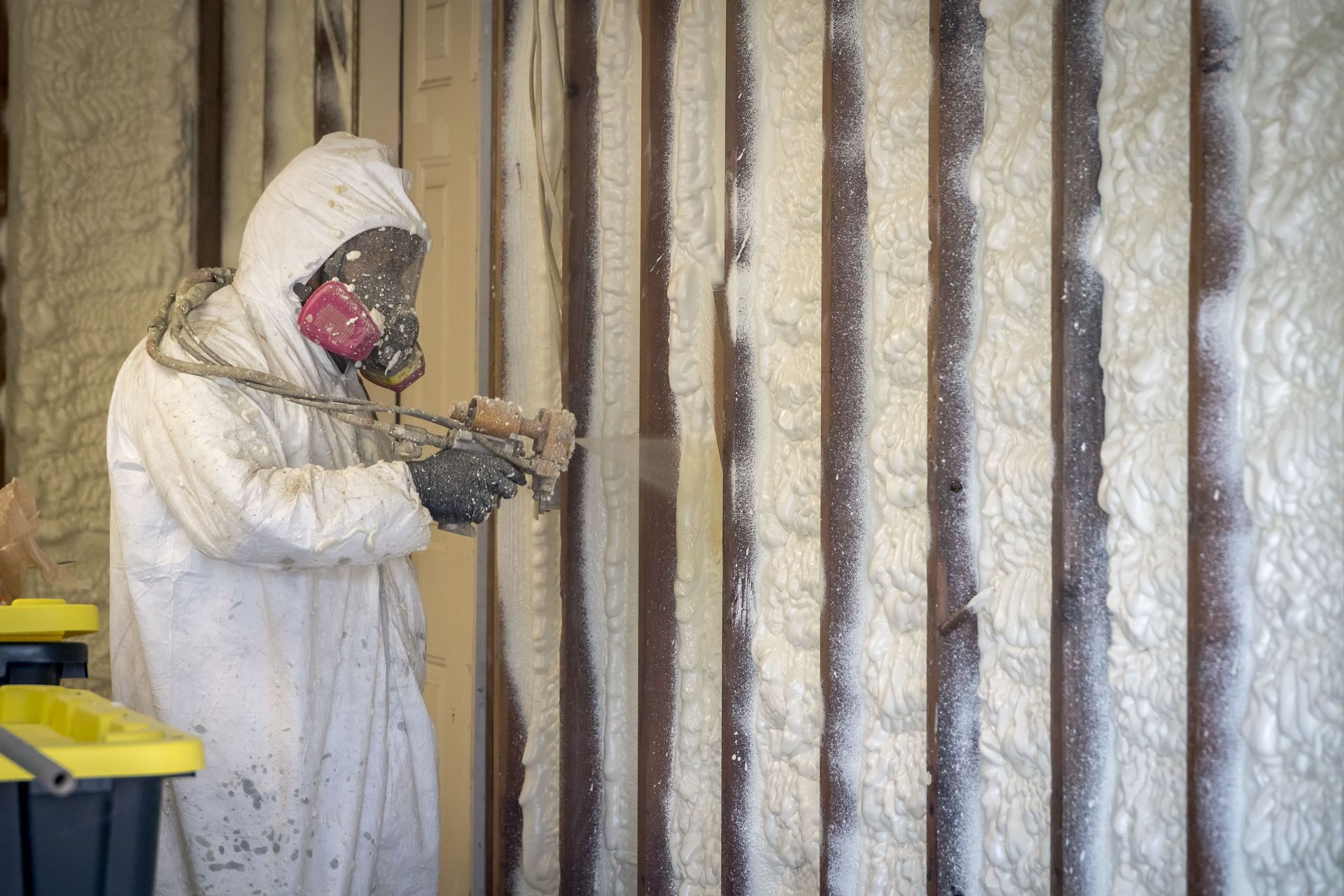
Contractors should discuss how they protect surfaces, like floors and furniture, and how they manage dust and debris. For certain types of insulation, particularly spray foam, they should explain ventilation practices and any necessary precautions for occupants during installation. Safety precautions protect both the crew and your household. Professional crews should be trained in proper handling of materials, ladder safety, and electrical awareness in attics or walls.
It’s also appropriate to ask about how they validate their work once installation is complete. Some insulation contractors perform blower door tests, infrared scans, or visual inspections to ensure coverage and performance. These quality checks show dedication to more than just getting the job done; they show a commitment to achieving the results you expect.
According to Grand View Research, the U.S. insulation market is expected to reach $23,445.6 million in revenue by 2033, reflecting the growing emphasis on energy efficiency and sustainability across residential and commercial buildings. With so much at stake, ensuring quality and safety during installation is more important than ever. Asking this question helps you separate contractors who treat your home with care from those who may cut corners to save time or money.
Choosing the right insulation contractor is about more than finding someone who shows up with tools and a truck. It’s about engaging a professional who understands your home’s unique needs, communicates openly and transparently, and stands behind the quality of their work.
Taking the time to choose wisely is more worthwhile than ever. Asking about experience, material recommendations, pricing, and quality protocols helps you gauge a contractor’s professionalism and fit for your project. A well-insulated home pays dividends in comfort, lower energy bills, and long-term resilience.
Ready to make your home more comfortable and energy efficient? Contact A & A Insulation today, where our experienced insulation contractors are ready to answer your questions and help you choose the right solution for your space.