Choosing the appropriate insulation material for your home is crucial for maximizing energy efficiency, reducing utility costs, and ensuring a comfortable living environment. With varying climates and a multitude of options available, homeowners must carefully evaluate which insulation best suits their specific needs. According to the Insulation Institute, 89% of U.S. single-family homes are under-insulated; this decreases comfort while simultaneously increasing energy costs for homeowners. This underscores the need to choose a home insulation that will not only serve as a barrier to heat flow, but also adds to the overall sustainability and comfort of the living space.
Guide to Insulation Basics
Insulation is a material used in building construction to resist the transfer of heat, thereby enhancing energy efficiency. It acts as a barrier that slows the rate of thermal transfer in and out of a home. The purpose of insulation is to maintain indoor temperatures regardless of the external weather conditions. Materials like fiberglass, foam, and cellulose are commonly used for home insulation due to their ability to trap air and resist heat flow. Choosing the right insulation can significantly impact a home's energy consumption and comfort level.
Proper insulation offers several benefits, including reduced energy bills and increased indoor comfort. It helps maintain a uniform temperature throughout your home, reducing reliance on heating and cooling systems. Insulation also minimizes noise pollution by acting as a sound barrier. Furthermore, a well-insulated home has a smaller carbon footprint, contributing to environmental sustainability. The initial investment in insulation can lead to significant long-term savings on utility costs.
There are several types of home insulation materials, each with unique properties and applications. Fiberglass insulation is common and widely used due to its affordability and effective thermal resistance. Foam board insulation offers high R-values and is suitable for installation in unfinished walls and floors. Spray foam insulation provides excellent air sealing properties, making it ideal for irregularly shaped spaces. Cellulose and mineral wool offer eco-friendly options with good thermal and acoustic insulation properties.
Factors to Consider When Choosing Insulation
The R-value is crucial in distinguishing the capabilities of different insulation materials. It determines how well a material can resist heat flow, with a higher R-value signifying better insulation. The appropriate R-value depends on the thermal resistance needed for different parts of your home. Local building codes often specify minimum R-value requirements, but exceeding these can lead to greater energy savings. It is important to balance the cost of higher R-value materials with the potential energy savings they provide.
Climate significantly influences the choice of home insulation material. In colder climates, materials with high R-values are preferable to retain heat within the home. Conversely, warmer climates benefit from insulation that can prevent heat from entering the home. Geographic location also affects humidity levels, which can impact insulation performance.
Budgeting is a critical factor when selecting insulation materials, as upfront costs can vary significantly between types. Fiberglass is typically more affordable, while spray foam insulation comes at a premium due to its superior sealing capabilities. Homeowners should consider total long-term savings potential when assessing cost-effectiveness. Energy savings over time can offset higher initial costs, making them worthwhile investments. Additionally, available rebates and government incentives can further reduce insulation project expenses.
Overview of Common Insulation Materials
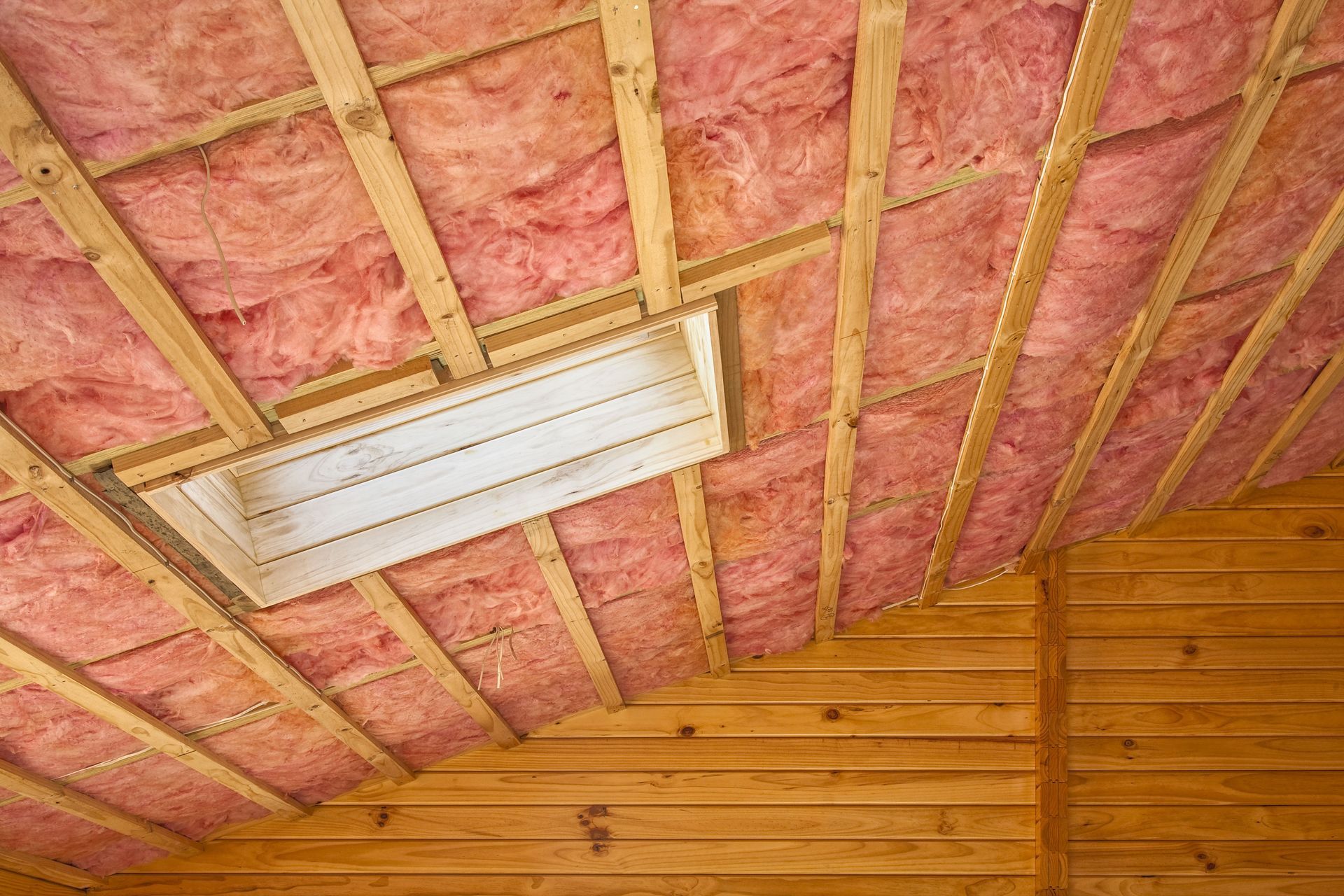
Fiberglass insulation is one of the most popular insulation materials due to its affordability and effectiveness. It is made from recycled glass and sand, forming a fibrous mat that traps heat. Fiberglass comes in various forms, including loose-fill, batt, and roll, offering versatile application options. It's non-combustible and provides sound-absorbing properties, making it an excellent all-around choice for energy efficiency. Despite its benefits, fiberglass installation requires safety measures to prevent skin irritation and respiratory issues.
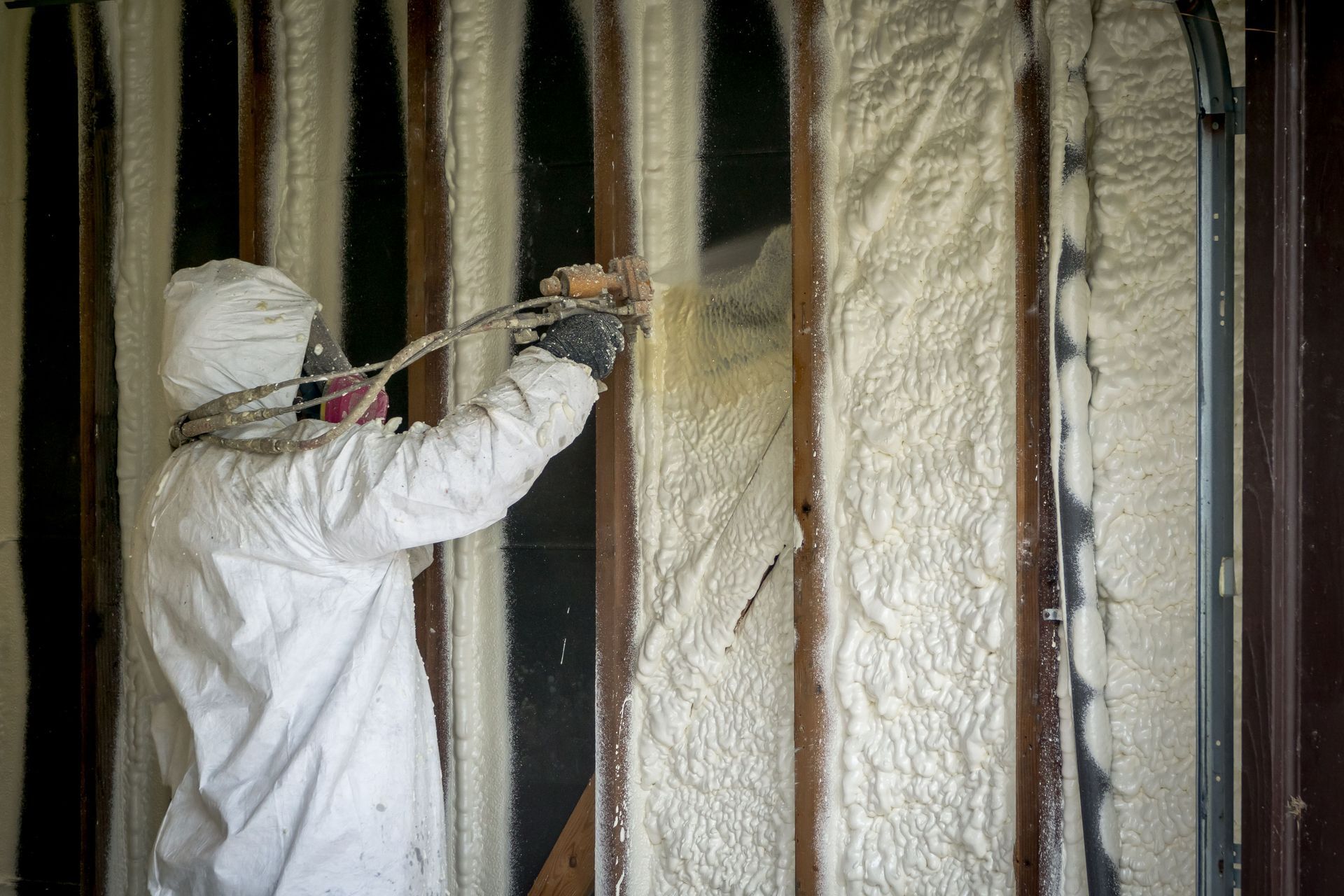
Spray foam insulation provides an air-tight seal with excellent thermal and acoustic insulation properties. The foam expands upon application, filling gaps and crevices that other types of home insulation may miss. It comes in two varieties: open-cell and closed-cell, each offering different advantages depending on the home's needs. While it boasts high energy efficiency and superior R-values, professional installation is typically required due to the specialized equipment and expertise needed. Spray foam is often chosen for its ability to prevent air leakage and moisture intrusion.
Evaluation of Installation Methods
Batt insulation, usually made from fiberglass or mineral wool, is a popular choice due to its affordability and ease of installation. These pre-cut sections fit snugly between wall studs, rafters, or joists in new construction or extensive renovation projects. One of the main advantages of batt insulation is its availability in a variety of R-values and sizes. However, improper installation can lead to gaps and compression, reducing its effectiveness. Additionally, batt insulation may not be suitable for irregular spaces without significant cutting and fitting.
Blown-in insulation provides excellent coverage and uniform thermal protection, especially in attics and hard-to-reach areas. It is typically composed of fiberglass, cellulose, or mineral wool, which is blown into spaces using special equipment. The technique offers flexibility and coverage that batt insulation cannot match, allowing it to envelop obstacles and fill voids effectively. However, professional installation is often required to ensure even application and to maximize R-value performance. Blown-in insulation's adaptability makes it an ideal choice for retrofits and challenging spaces.
Spray foam is an option that provides the dual benefits of insulation and air sealing in one application. Its ability to expand and conform to shape makes it ideal for irregular spaces and areas requiring high moisture resistance. Despite its higher costs relative to other options, its energy efficiency gains and structural benefits can justify the investment. Spray foam helps reduce air leakage and moisture ingress, critical factors in both hot and cold climates. Professional installation is recommended to achieve optimal results and ensure safety considerations are met.
Tips to Maximize Insulation Performance
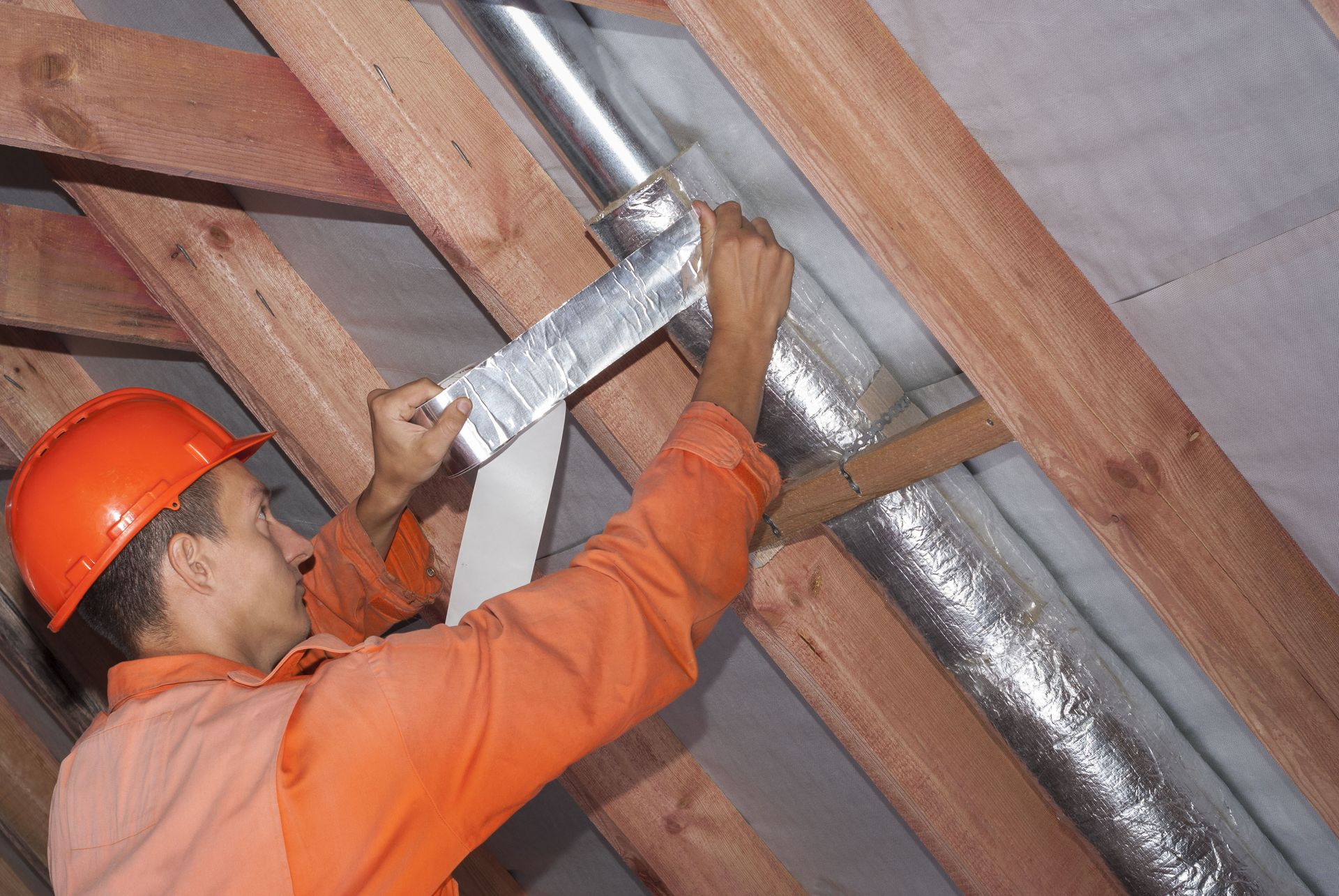
Addressing air leakage is essential in enhancing the overall performance of home insulation. Gaps, cracks, and openings allow for uncontrolled airflow, leading to significant heat loss or gain. Sealing these leaks can reduce energy consumption by minimizing the burden on heating and cooling systems. Effective air sealing involves weather-stripping, caulking, and using appropriate sealants around windows, doors, and ductwork. By combining air sealing with insulation, homeowners can create a more efficient and comfortable living environment.
Moisture control is a critical component of any effective insulation strategy, ensuring the longevity and performance of insulation materials. Moisture can deteriorate insulation, promote mold growth, and compromise indoor air quality. Using vapor barriers and proper ventilation can help manage moisture levels in buildings. Materials like spray foam offer inherent moisture resistance, which can be beneficial in areas prone to humidity. Ensuring that insulation remains dry is crucial for maintaining its insulative properties and prolonging the lifespan of your home's insulation system.
Combining insulation types can create a synergistic effect that enhances overall energy efficiency. A hybrid approach, such as using spray foam in conjunction with fiberglass batts, can provide both air sealing and high R-value benefits. This strategy allows homeowners to address varying insulation needs throughout the home. Layering insulation also ensures that hard-to-insulate areas receive adequate thermal protection, leading to reduced thermal bridging. By selecting the right combination of insulation types, homeowners can pursue comprehensive energy efficiency tailored to their specific property.
Choosing the right home insulation material involves analyzing several factors, including energy efficiency, climate, and environmental impact. By understanding the fundamental properties of home insulation materials and evaluating installation methods, homeowners can make informed decisions fitting their needs and preferences. Maximizing the performance of insulation through strategic usage and proper maintenance not only contributes to energy savings but also enhances the comfort and value of your home, establishing a sustainable living space for years to come. If you're seeking insulation solutions for your home, reach out to A & A Insulation today.