By Joshua Johns
January 15, 2026
In the realm of commercial building construction and renovation, insulation plays a critical role in maintaining energy efficiency, comfort, and operational cost-effectiveness. Open-cell spray foam is rapidly gaining traction among commercial businesses as an ideal insulation solution. This preference can be attributed to its impressive insulating properties, versatility, and environmental benefits, as well as growing technological advancements that make it even more appealing. With increasing awareness of the need for sustainable building practices, open-cell spray foam is becoming the insulation material of choice. As demand rises, the market has responded by providing more options and improvements, making open-cell spray foam an optimal choice for commercial spray foam insulation.
Understanding Open Cell Spray Foam
Definition and Composition
Open-cell spray foam is a type of insulation composed of cells that are not completely closed, allowing air and moisture to fill the open spaces. It differs from closed-cell spray foam, which consists of compactly packed cells providing greater density and strength. Due to its lightweight nature, open-cell foam is ideal for soundproofing and increasing thermal resistance within commercial spaces. The composition includes a mixture of water and an organic chemical compound known as isocyanate, which reacts with a polyol resin to create a foam that expands and hardens. This cellular structure makes open-cell foam an efficient and flexible insulation option for a variety of applications.
The Manufacturing Process
Open-cell spray foam is produced by combining two primary substances: polyol resin and isocyanate, which react upon application. The reaction creates a foam that expands quickly, forming an effective thermal barrier. While the manufacturing process is energy-intensive, efforts have been made to minimize its ecological impact by focusing on the use of renewable resources. Manufacturers are also exploring methods to reduce the usage of harmful agents historically involved in foam production. By adopting greener practices, the industry aims to provide environmentally friendly insulation solutions without sacrificing performance.
Applications Beyond Insulation
Beyond its primary function as an insulator, open-cell spray foam also finds applications in soundproofing and air sealing. In commercial settings where noise reduction is crucial, such as in theaters or urban offices, its ability to dampen sound transmission adds significant value. Additionally, its air-sealing properties help improve indoor air quality by reducing the influx of pollutants and allergens. Moreover, spray foam's use extends to construction elements like sealing gaps and protecting against pest infiltration. Companies are continuously exploring new uses for spray foam, enhancing its utility beyond traditional insulation roles.
Market Trends and Adoption Rates
The open-cell spray foam market has seen impressive growth, driven by increased demand for energy-efficient building solutions. According to Global Market Insights, the open-cell foam segment hit $1.7 billion in 2023 and is estimated to expand at a CAGR of over 6% from 2024 to 2032. This growth indicates a strong shift towards innovative and sustainable insulation choices among commercial entities. An increase in construction activities, coupled with stringent building codes demanding better thermal performance, has further fueled this trend. As more businesses recognize the advantages of spray foam, its adoption across various sectors is expected to accelerate.
Benefits of Open Cell Spray Foam
Energy Efficiency
Open-cell spray foam is highly efficient at minimizing energy consumption in commercial buildings due to its high insulation R-value. Its ability to expand and fill gaps ensures fewer thermal bridges, leading to reduced energy loss. This insulation quality directly contributes to lowering heating and cooling costs, making it cost-effective over the building lifecycle. Businesses can realize savings in energy bills while also contributing to lower environmental impact through reduced energy demand. With rising energy costs, the efficient energy management capabilities of open-cell spray foam make it an appealing choice for businesses.
Soundproofing Capabilities
With urban noise levels becoming increasingly concerning, commercial buildings benefit from spray foam's soundproofing characteristics. Open-cell foam's cellular structure is excellent at absorbing sound, which significantly reduces noise transmission between spaces. This is particularly beneficial for commercial settings in bustling urban environments and shared office buildings where noise control is crucial. The use of spray foam insulation can enhance privacy and comfort, improving the overall working environment for employees. Soundproofing attributes make spray foam insulation not only an energy solution but also a means to improve the quality of life within commercial spaces.
Cost-Effectiveness
The initial cost of installing open-cell spray foam may be higher compared to traditional insulation methods, but it provides long-term economic benefits. Its durability means less frequent replacements, reducing ongoing maintenance costs and disruptions associated with reinstallations. Additionally, its energy-saving properties translate into lower operational expenses for businesses, enabling them to allocate resources more effectively. In competitive markets, where cost management is key to profitability, the financial benefits of using spray foam insulation can be significant. As demand rises and manufacturing processes improve, it's expected that upfront costs will decrease, further enhancing its economic appeal.
Versatility in Application
The adaptability of open-cell spray foam makes it suitable for a wide range of commercial applications, accommodating various architectural designs. It can be applied to walls, ceilings, and even tight corners, conforming to complex shapes and structures without compromising its effectiveness. Additionally, it offers creative solutions for architects and designers wanting to maintain aesthetic integrity by eliminating unsightly seams and gaps that traditional insulation might leave. Commercial projects utilizing unique or customized building designs benefit greatly from the foam's ability to adapt seamlessly to their requirements. This versatility further increases its attractiveness to businesses across various sectors.
Challenges and Considerations
Potential Installation Issues
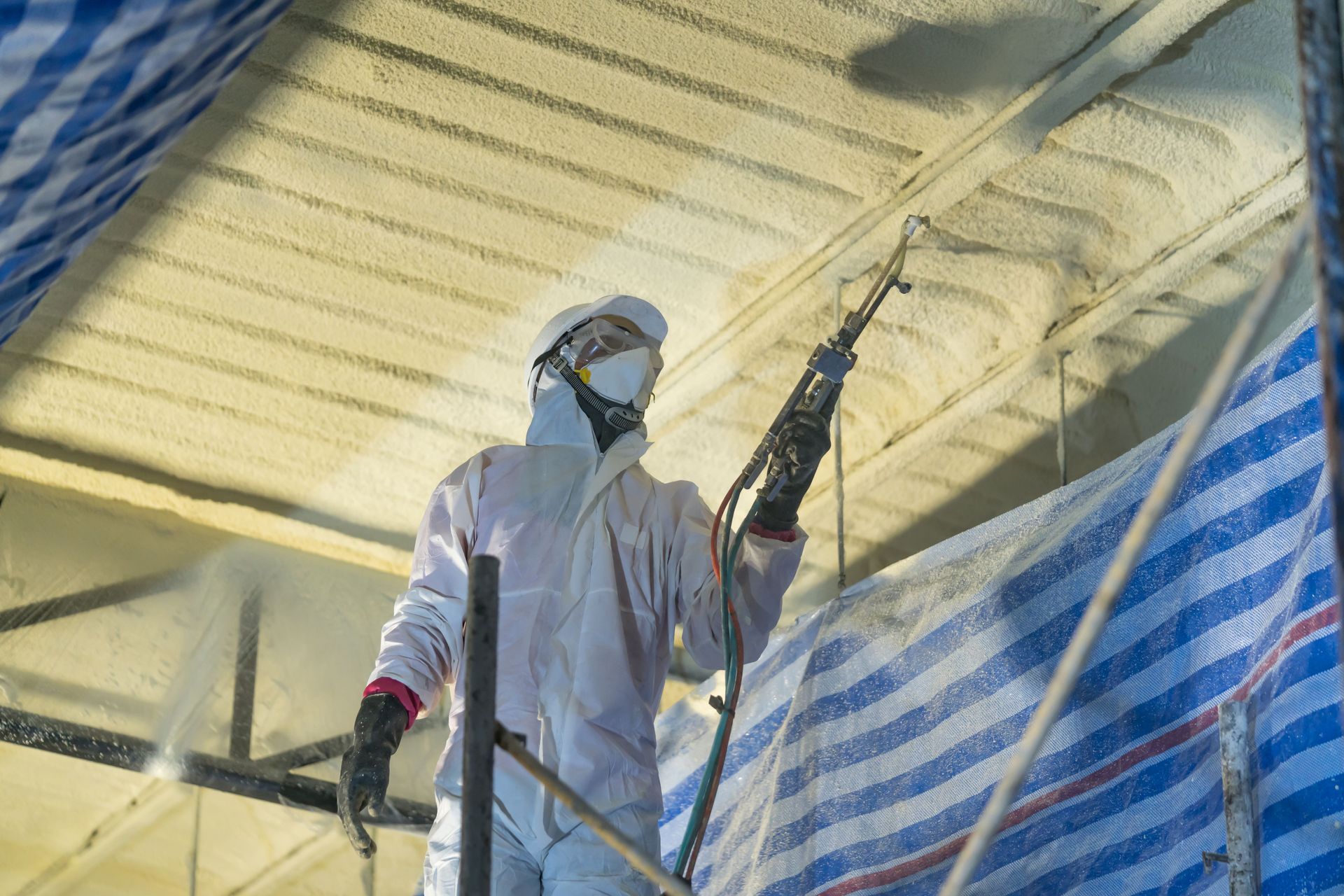
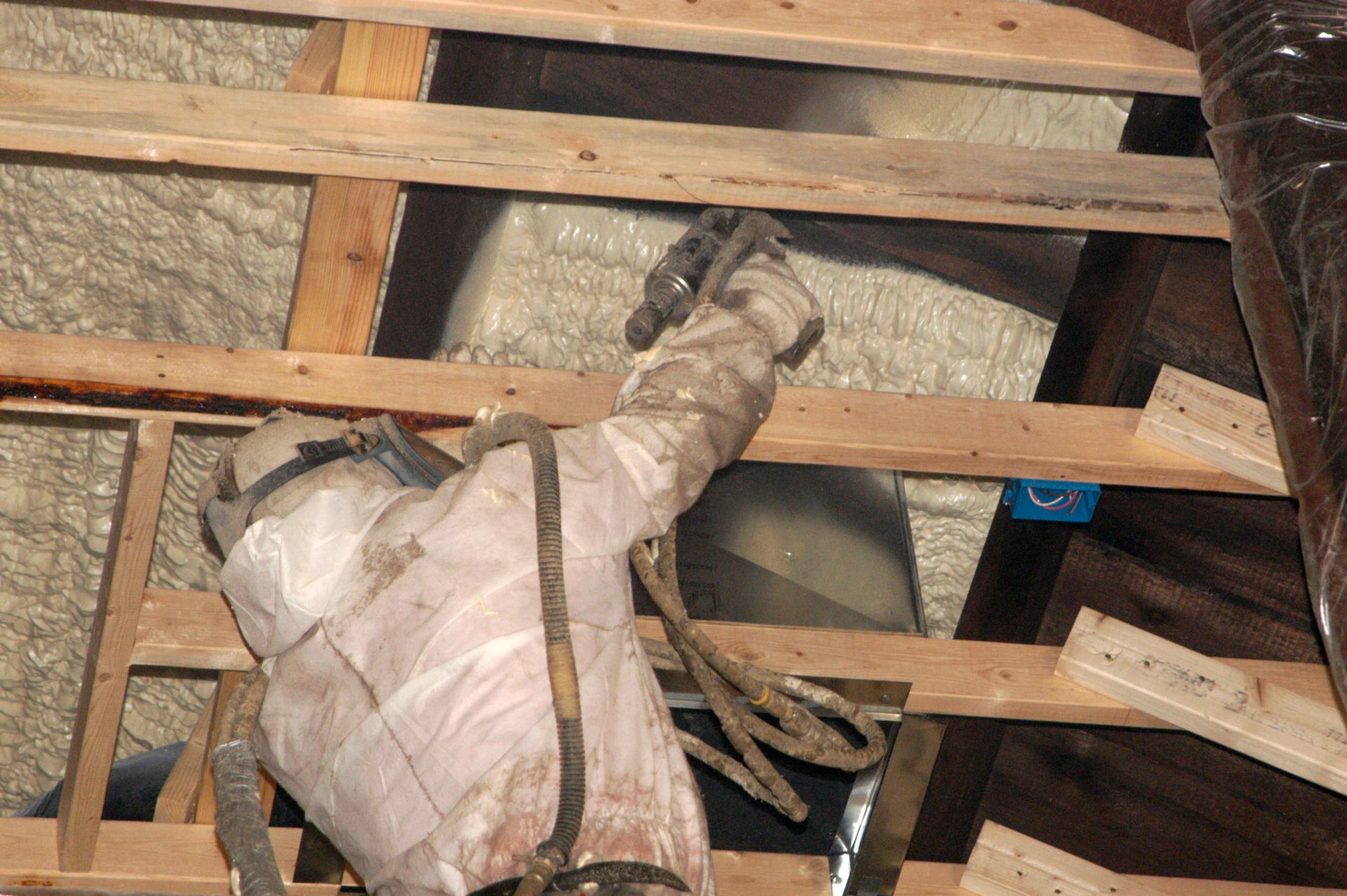
Despite its benefits, open-cell spray foam poses challenges during installation, requiring skilled applicators to ensure effective application. Incorrect installation can lead to incomplete coverage, leaving gaps that compromise the insulation's integrity and performance. Additionally, improper handling or mixing of the chemical components can result in poor foam quality, affecting its insulating properties. To mitigate such issues, many companies prioritize working with certified contractors trained in the specific techniques required for successful foam application. Adhering to best practices and quality checks during installation is vital to fully harnessing the advantages of spray foam insulation.
Health and Safety Concerns
Health and safety concerns associated with spray foam insulation are primarily linked to the chemicals used during its installation. Careful attention is necessary to ensure proper ventilation and protective equipment use, as components can emit volatile organic compounds (VOCs) during curing. Long-term concerns about exposure have been addressed by advancements in formulation technology and improved methodologies, ensuring minimal on-site hazards. For occupants, once the foam is completely cured, it represents little to no health risk, providing reassurance to businesses. Transparent communication and strict adherence to safety protocols help alleviate concerns while ensuring a successful insulation project.
Longevity and Durability
The long-term durability of open-cell spray foam is well-documented, with many installations remaining effective for decades. However, its lifespan can be influenced by factors such as exposure to moisture, improper installation, and material quality. Regular inspections and maintenance are recommended to ensure longevity, addressing any signs of degradation promptly. While spray foam insulation is inherently resistant to pests and mold, environmental factors necessitate vigilance to maintain its performance. By prioritizing quality during both the selection and installation phases, businesses can leverage the enduring benefits of open-cell spray foam.
Regulatory Compliance
Spray foam insulation, like all construction materials, is subject to various regulatory standards governing its use in commercial settings. These regulations typically address safety, performance, and environmental impact, ensuring that installations meet specified criteria. Compliance with such regulations requires businesses to stay informed about local building codes and industry standards. Failure to adhere to these requirements can result in legal liabilities and potential financial penalties. By working with knowledgeable professionals and keeping up-to-date with regulation changes, companies can ensure that their insulation projects proceed smoothly and legally.
Open-cell spray foam has clearly established itself as a forward-thinking insulation solution for commercial construction and renovation projects. Its ability to improve energy efficiency, enhance acoustic comfort, and adapt to diverse architectural designs makes it a practical choice for businesses seeking long-term operational value. For businesses looking to invest in insulation that balances performance, versatility, and long-term benefits, open-cell spray foam represents a solution worth serious consideration. Contact A & A Insulation today to learn more.