By Joshua Johns
December 29, 2025
Home comfort and energy efficiency go hand in hand with proper insulation. Many homeowners don’t realize that their energy bills and indoor comfort can be heavily impacted by insufficient insulation. Home insulation serves as a barrier against heat loss in winter and heat gain in summer, helping maintain consistent temperatures throughout your home. Recognizing the signs of under-insulation early can prevent unnecessary energy expenses and improve overall living conditions. In this guide, we explore common indicators that your home may be under-insulated and outline solutions to enhance comfort and efficiency.
High Energy Bills Throughout the Year
One of the first indicators of insufficient home insulation is unusually high energy bills. When insulation is lacking, your heating and cooling systems work harder to maintain indoor temperatures, resulting in increased energy consumption. Even small gaps or thin insulation layers can lead to significant inefficiency. Home insulation professionals can assess your current setup, identify areas where heat is escaping, and recommend improvements that will lower energy usage and costs while maintaining a comfortable home environment throughout the year. Over time, energy savings from upgraded insulation can offset installation costs, making it a smart investment for homeowners.
Uneven Temperatures Between Rooms
If certain rooms in your home feel noticeably hotter or colder than others, poor home insulation may be the cause. Heat tends to escape through poorly insulated walls, ceilings, and floors, creating temperature imbalances. These differences are especially noticeable near exterior walls and windows. A home insulation evaluation can identify which areas need reinforcement and suggest materials that will balance temperatures, ensuring every room remains comfortable without placing extra strain on your heating or cooling systems. Balancing temperatures also reduces wear on HVAC equipment, improving its efficiency and lifespan.
Drafts Near Windows and Doors
Drafts or cold spots near doors and windows are a common sign that home insulation is inadequate. Even small gaps or cracks in these areas can allow air to flow freely in and out, reducing indoor comfort and efficiency. Modern insulation techniques can seal these gaps and reinforce surrounding structures, preventing unwanted airflow. Addressing drafty areas not only improves comfort but also helps reduce energy costs by minimizing the need for constant heating or cooling adjustments. Professionals can also recommend sealing options, weather-stripping, or additional insulation that complements your home’s existing setup.
Difficulty Maintaining Temperature
If your home struggles to reach or maintain a consistent temperature, insulation could be a contributing factor. Ineffective home insulation causes heating and cooling systems to cycle more frequently, leading to uneven comfort and increased wear on equipment. Professional insulation services can analyze your home’s thermal envelope, identify deficiencies, and install appropriate insulation to create a more energy-efficient and comfortable indoor environment. Improved insulation allows rooms to retain warmth during winter and stay cooler in summer, reducing stress on your HVAC system.
Excessive Noise From Outside
Proper home insulation not only regulates temperature but also provides soundproofing benefits. If you notice increased noise from traffic, neighbors, or other external sources, your walls or ceilings may be under-insulated. Enhancing home insulation in these areas can help reduce noise intrusion, creating a quieter and more serene living environment. This added benefit improves overall comfort and makes your home feel more peaceful, especially in busy or noisy neighborhoods. Soundproofing insulation also provides additional energy efficiency by adding a thicker barrier to exterior walls.
Visible Ice Dams or Frost in Winter
During colder months, ice dams on the roof or frost in certain areas of the attic can indicate inadequate home insulation. Heat escaping through the roof can melt snow unevenly, leading to ice formation and potential water damage. Proper attic insulation can prevent these problems by maintaining a stable roof temperature and reducing the risk of costly repairs. According to Insulation Institute, 89% of U.S. single-family homes are under-insulated, decreasing comfort while increasing energy costs for homeowners. This statistic highlights the widespread need for better insulation and the importance of addressing deficiencies to protect homes from structural damage and high energy bills.
Frequent Heating or Cooling Repairs
Homes with insufficient insulation often put extra strain on HVAC systems, causing frequent repairs and maintenance needs. The constant effort to reach desired temperatures can lead to breakdowns and reduce system lifespan. Upgrading home insulation helps alleviate this strain, allowing heating and cooling systems to operate efficiently without overexertion. This proactive approach reduces repair costs and ensures your system functions reliably while maintaining optimal comfort levels throughout your home. Regular inspections and professional recommendations can also prevent minor insulation issues from escalating into major HVAC problems.
Cold Floors and Ceilings
Uneven temperatures can also manifest as cold floors in winter or hot ceilings in summer. Poorly insulated floors and ceilings allow heat to escape or enter, affecting the overall comfort of living spaces. Home insulation experts can identify the areas of concern and recommend appropriate insulation solutions, such as adding or upgrading materials in floors, ceilings, or walls. Improved insulation ensures a more uniform temperature distribution, enhancing the livability of every room. Additionally, modern insulation materials can be installed with minimal disruption, allowing homeowners to maintain comfort while upgrades are completed efficiently.
Moisture Problems and Condensation
Inadequate home insulation can contribute to moisture buildup and condensation on walls, ceilings, or windows. These issues not only compromise comfort but also pose risks for mold and structural damage. Professional insulation assessments can identify areas where moisture problems are linked to under-insulation. By improving home insulation and sealing gaps, humidity levels are better controlled, protecting both the home and its occupants while improving indoor air quality. Addressing these issues promptly also helps prevent costly repairs and long-term damage that can affect the value of your property.
Difficulty Cooling in Summer and Heating in Winter
If you find that your home is particularly hot during the summer or difficult to warm in the winter, insufficient insulation may be to blame. Heat transfer through walls, ceilings, and attics without proper insulation can create extreme indoor temperatures. Enhancing home insulation ensures a stable thermal environment, allowing HVAC systems to perform efficiently. By maintaining a consistent indoor climate, homeowners enjoy improved comfort and reduced energy expenses throughout the year. This balance also helps protect furnishings, flooring, and interior finishes from temperature-related damage.
Signs of Aging or Settled Insulation
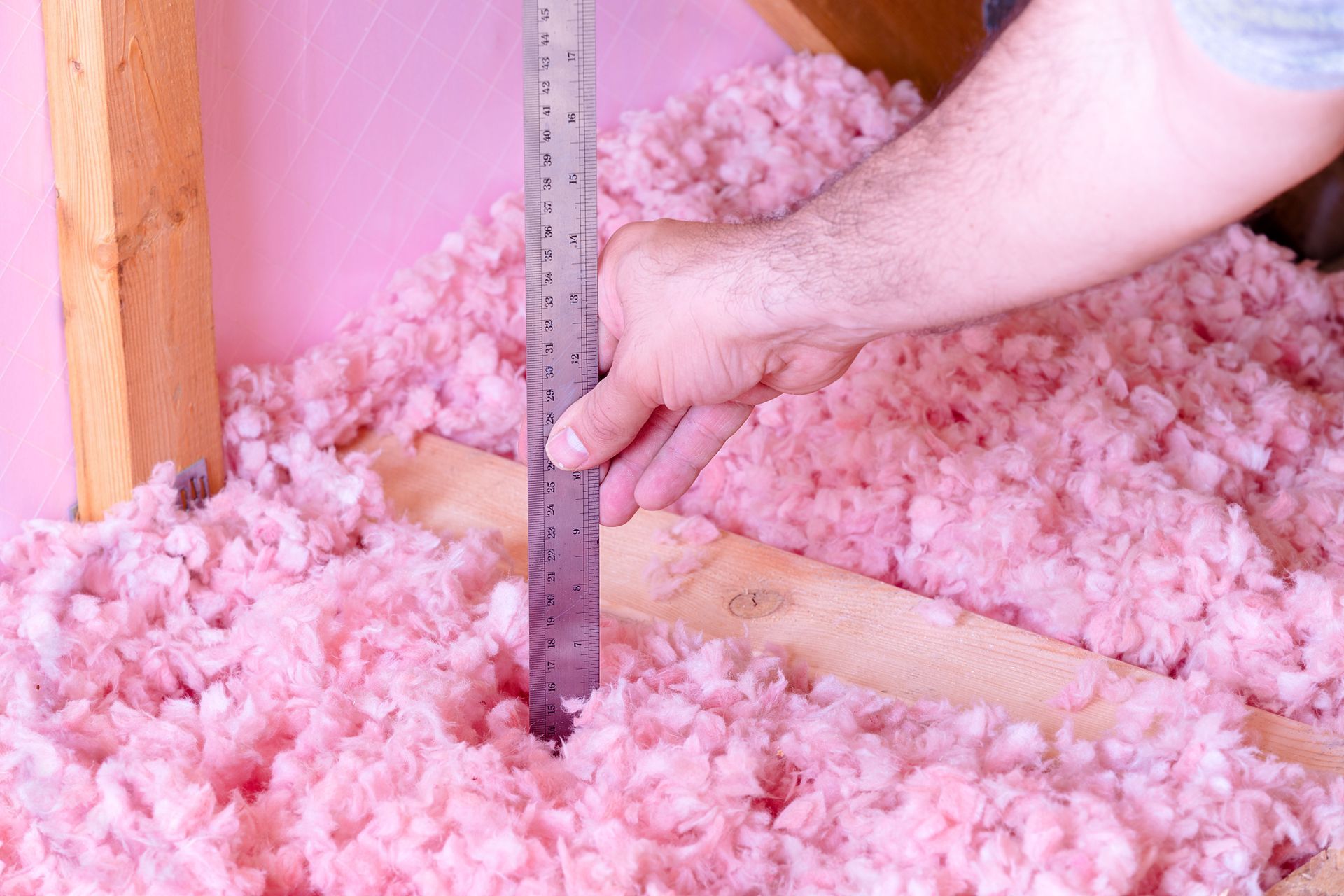
Over time, insulation can settle, degrade, or become compressed, reducing its effectiveness. Homes with older insulation may experience many of the previously mentioned issues, such as drafts, uneven temperatures, and high energy bills. Replacing or upgrading aged insulation is an effective way to restore its protective qualities. Home insulation professionals assess current materials, determine areas that need improvement, and install new insulation to enhance comfort, energy efficiency, and long-term home value. Upgrading insulation is an investment that pays off through improved comfort, lower energy bills, and fewer home maintenance concerns.
Recognizing the signs of under-insulation in your home is the first step toward improving comfort, efficiency, and energy savings. High energy bills, drafts, uneven temperatures, and moisture issues are all indicators that your home may need improved insulation. By consulting home insulation professionals, you can identify problem areas, install appropriate materials, and maintain a consistent indoor environment throughout the year. Investing in proper insulation protects your home, enhances comfort, and reduces energy costs, making it a smart choice for homeowners looking to optimize their living spaces while ensuring long-term efficiency. Do you need a home insulation contractor this winter? Don't wait. Call us at A & A Insulation today to schedule an appointment today!