By Joshua Johns
September 16, 2026
Indoor air quality is a crucial aspect of a healthy home environment. While many factors contribute to the air you breathe indoors, attic insulation plays a surprisingly significant role. Proper attic insulation not only enhances energy efficiency but also contributes to maintaining the quality and cleanliness of indoor air. This article explores the multifaceted benefits of upgrading attic insulation, focusing on improving indoor air quality.
What is Attic Insulation and Why is it Important?
Definition and Types of Attic Insulation
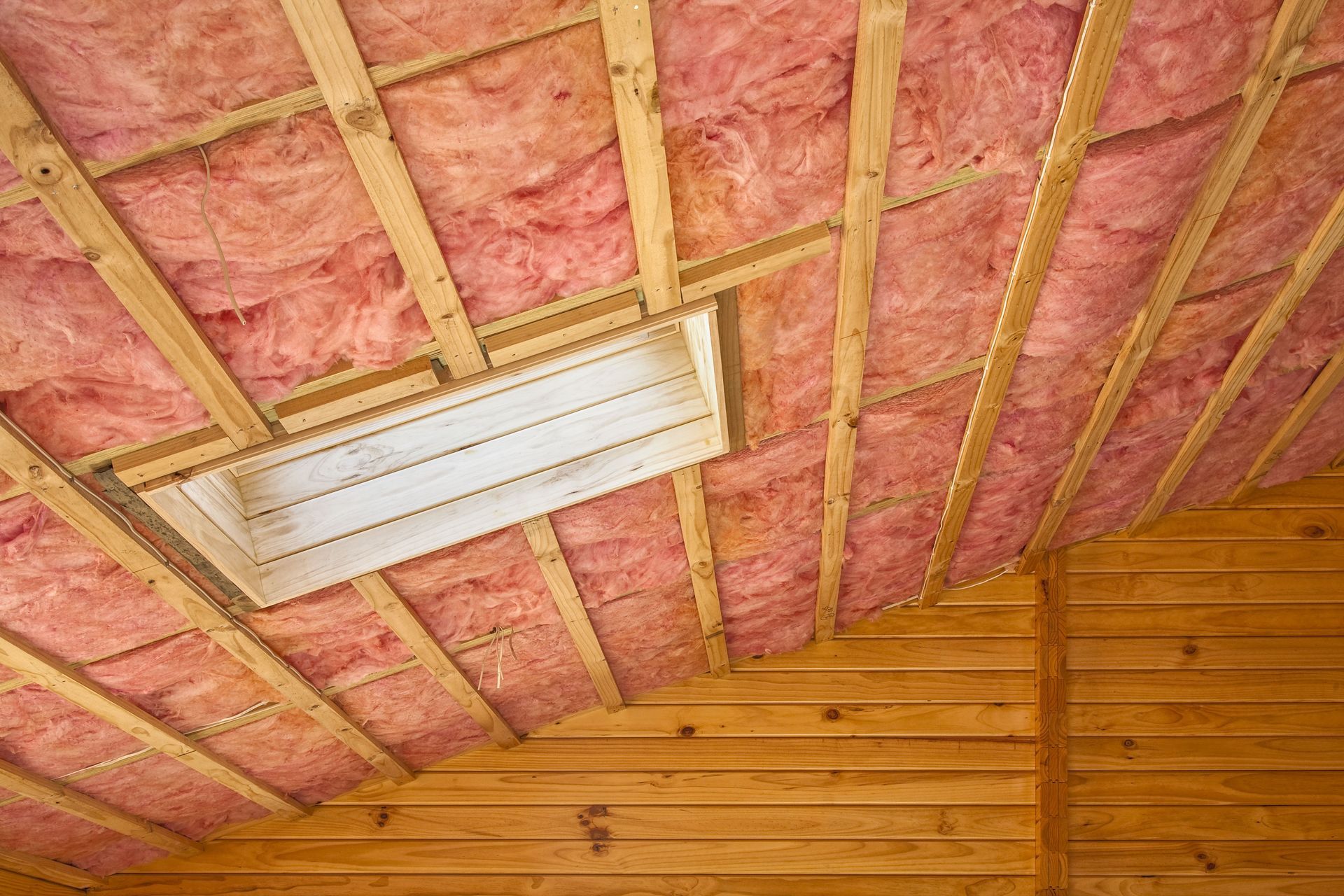
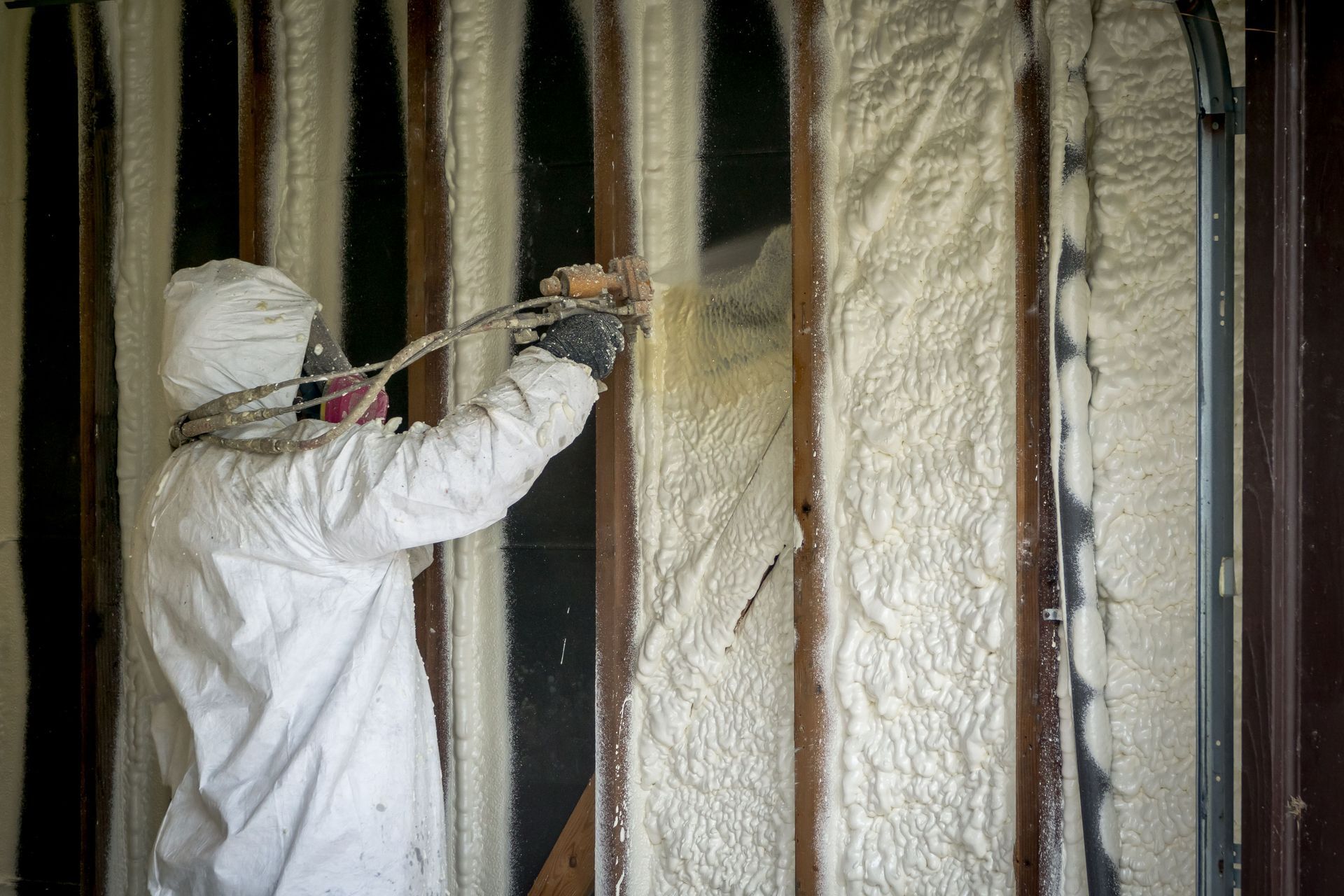
Attic insulation refers to materials used to reduce heat loss or gain by providing a barrier between the attic space and the rest of the house. There are various types of insulation, including fiberglass batts, blown-in cellulose, and spray foam. Each type offers different benefits, such as varying degrees of thermal resistance and cost-effectiveness. Choosing the right insulation type can significantly impact energy efficiency and indoor air quality.
The Role of Insulation in Indoor Air Quality
The quality of indoor air can be directly influenced by the condition and type of attic insulation. Effective insulation prevents the infiltration of outdoor pollutants and allergens into the home. It also helps to maintain a consistent indoor temperature, reducing the need for excessive heating or cooling. This can lead to a decrease in air pollutants that are often exacerbated by temperature fluctuations.
Common Insulation Materials
Fiberglass, cellulose, and foam are the most commonly used materials for attic insulation. Fiberglass is known for its moisture resistance and ease of installation. Cellulose, derived from recycled paper, offers excellent thermal performance and is treated with fire retardants for safety. Spray foam provides superior air sealing but is often more expensive than other types; its investment can significantly improve indoor air quality.
Signs You Need to Upgrade Your Insulation
Detecting the need for an insulation upgrade can prevent energy loss and improve air quality. Common signs include uneven temperatures across rooms, high energy bills, and visible wear and tear of existing insulation. If you notice drafts or moisture in your attic, it might be time to consult with attic insulation companies. Proactively upgrading old insulation can prevent future problems and enhance your home's comfort.
How Does Upgrading Attic Insulation Improve Indoor Air Quality?
Reduction in Air Pollutants
Upgrading attic insulation reduces the infiltration of outdoor pollutants, such as dust and allergens. New insulation helps create a more effective seal, preventing unwanted particles from entering the home. The reduced circulation of air pollutants can significantly improve respiratory health. Quality insulation acts as a protective barrier against the external environment.
Consistent Indoor Temperature
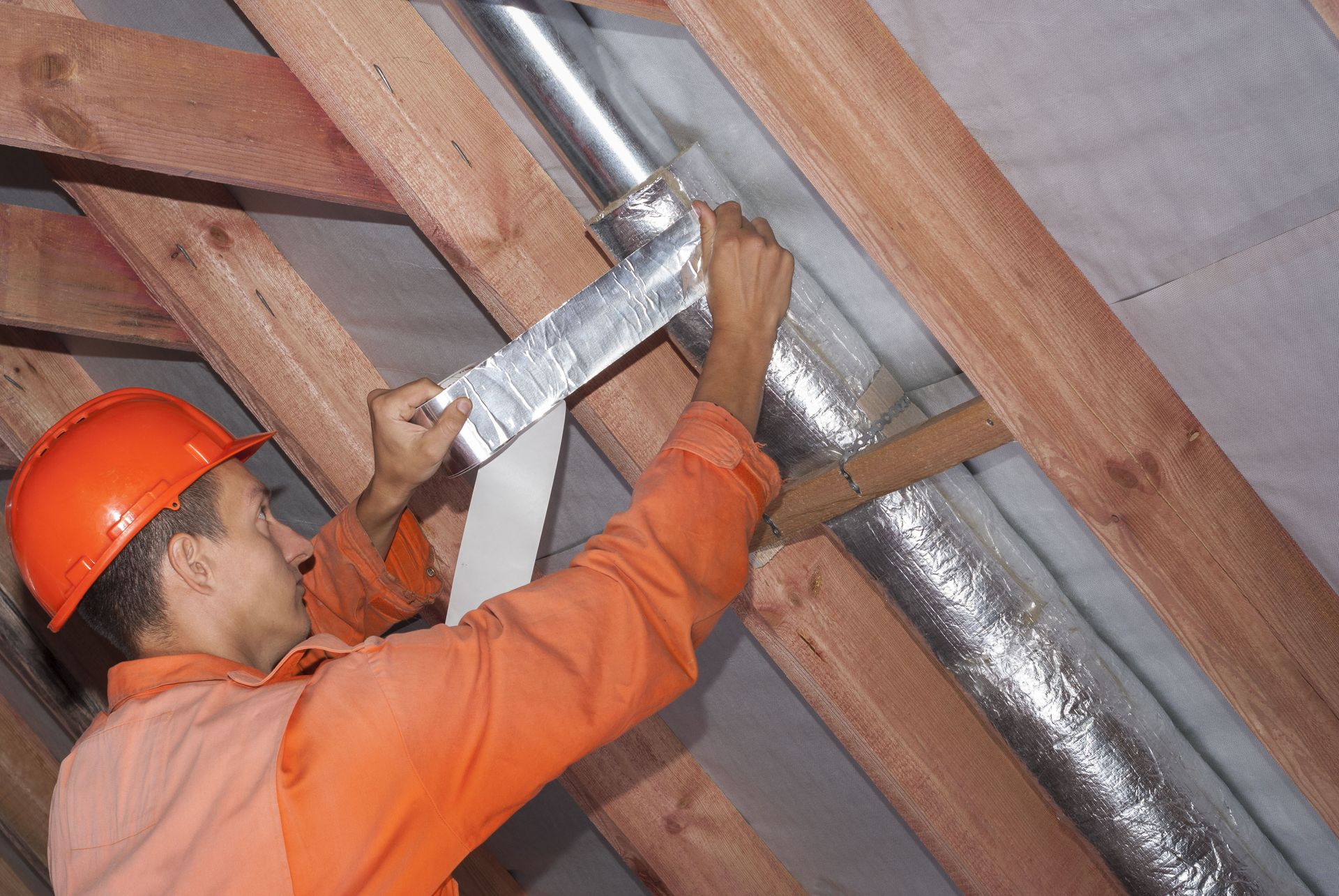
Proper attic insulation maintains a consistent indoor temperature, reducing the need for heating and cooling systems to work excessively. This consistency minimizes the risk of air quality deterioration due to temperature swings. As Energy Star notes, inefficient ductwork in attics can cause energy loss of up to 25%, highlighting the importance of effective insulation. A stable temperature also means reduced humidity levels, which further benefits indoor air quality.
Decrease in Moisture and Mold Risks
Moisture control is critical when it comes to preventing mold growth in attics, which can severely affect indoor air quality. Upgraded insulation materials, such as spray foam, provide excellent moisture resistance. This resistance is vital in preventing the conditions that lead to mold and mildew, which can contribute to respiratory issues. Keeping the attic dry and insulated ensures that mold risks are minimized.
Energy Efficiency and Its Effects on Air Quality
Enhanced energy efficiency achieved through upgraded insulation can have direct benefits for air quality. Lower energy consumption reduces the combustion processes that can contribute to indoor pollution. Efficient insulation minimizes the need for HVAC systems to operate continuously, reducing the risk of circulating dust and pollutants. Attic insulation companies can provide tailored solutions to maximize both energy efficiency and air quality improvements. According to Energy Star, leaky air ducts located within a conventional attic can result in the loss of up to 25% of the energy used for climate control, which is why placing insulation under the roof to create an unventilated attic can be beneficial.
How to Choose the Right Attic Insulation Company?
Researching Local Companies
Finding the right attic insulation company requires thorough research. Begin by identifying local companies with positive reputations and a history of satisfied customers. Online reviews and testimonials can provide insight into the quality of service. A reputable company will offer a comprehensive consultation and propose a customized insulation plan.
Evaluating Experience and Expertise
Choosing a company with experience and expertise in insulation installation is crucial. Experienced technicians are more likely to deliver quality work, ensuring long-term benefits for air quality. Assess the company's credentials, certifications, and training programs for their staff. Trustworthy companies will always be transparent about their qualifications and previous work examples.
Comparing Customer Reviews and Testimonials
Customer reviews and testimonials serve as valuable resources when selecting an attic insulation provider. Look for reviews that specifically mention improvements in air quality and energy efficiency. Positive testimonials often indicate the company's commitment to customer satisfaction. Consider contacting former customers to gain first-hand insight into the service provided.
Understanding and Comparing Costs
Understanding the cost of insulation services can help you make an informed decision. Obtain quotes from several attic insulation companies to compare prices against the services offered. Consider long-term savings on energy bills and improved air quality as part of your investment. Transparent companies will break down costs and explain their pricing structure.
What to Expect During an Attic Insulation Upgrade?
Initial Consultation and Assessment
The upgrade process typically begins with an assessment of your current insulation and energy efficiency. A thorough consultation will help you understand the specific needs of your attic space. During this phase, experts will evaluate existing insulation conditions and identify areas for improvement. Accurate assessments ensure that the most effective insulation solutions are applied.
Installation Process: Steps and Duration
The insulation installation process involves several key steps: removal of old insulation, preparation, and the installation itself. The duration varies based on the size of the attic and the type of insulation material selected. Professionals may employ techniques like air sealing and attic ventilation improvements during installation. The process generally lasts a few days but delivers long-term benefits.
Post-Installation Inspection
After installation, a comprehensive inspection ensures the insulation is performing as intended. This inspection includes checking for coverage gaps, verifying R-values, and ensuring proper sealing. A successful inspection confirms that the upgrade will effectively improve energy efficiency and air quality. Attic insulation companies should provide a guarantee of their work to ensure customer satisfaction.
Upgrading attic insulation presents a comprehensive opportunity to enhance indoor air quality and overall home health. With the added advantages of energy efficiency and cost savings, insulation is a vital component of modern home maintenance. Addressing misconceptions and investing in reliable attic insulation companies can yield substantial long-term gains. The importance of optimizing your home's comfort and air quality through improved attic insulation cannot be overstated.
Summarizing the benefits of upgrading attic insulation and its impact on improving indoor air quality, while encouraging homeowners to take action for healthier living environments. Upgraded insulation not only provides significant improvements but also enhances home energy efficiency, resulting in reduced energy costs and an environmentally friendly home. According to Energy Star, leaky air ducts located within a conventional attic can result in the loss of up to 25% of the energy used for climate control, which is why placing insulation under the roof to create an unventilated attic can be beneficial. For those looking to create healthier, more comfortable living spaces, investing in high-quality attic insulation is a practical and highly beneficial decision. With enhanced air quality and energy savings, homeowners can enjoy immediate and long-lasting benefits to their property and well-being. Be sure to reach out to A & A Insulation today to learn more about our professional attic insulation companies!