By Joshua Johns
September 17, 2026
Every homeowner eventually notices the subtle signs of inefficient temperature control. A room that stays stubbornly chilled in January, a second floor that feels like a sauna in July, or a heating bill that climbs higher every winter all point toward the same underlying problem. Indoor climate control requires a substantial financial commitment, yet a massive portion of that spending literally leaks through the walls, roof, and floor. Investing in high-quality home insulation offers one of the most reliable strategies for taking back control over household operational costs. Beyond immediate monthly savings, upgrading your thermal barrier directly enhances the structural integrity and market appeal of the real estate asset itself. Modern home buyers place an increasingly high premium on energy efficiency, making thermal improvements a double dividend for smart property owners.
The Underlying Science of Thermal Efficiency
Understanding why thermal upgrades yield such impressive returns requires looking at how residential structures interact with the outside environment. Heat naturally moves toward colder spaces, seeking equilibrium whenever a temperature difference exists. During the winter months, warm air generated by your furnace relentlessly pushes outward toward the cold exterior air. In the summer, the process reverses as intense solar radiation forces heat inward through the attic and exterior walls. According to Energy Star, 50% to 70% of the energy used in an average American home goes toward heating and cooling, emphasizing how essential proper insulation is for preventing energy waste. When a building lacks an airtight seal and adequate thermal resistance, heating, ventilation, and air conditioning equipment must run continuously just to maintain a baseline level of comfort. Eliminating these structural leaks stabilizes indoor temperatures, reduces equipment wear, and keeps money in your bank account.
The Direct Mechanics of Monthly Energy Savings
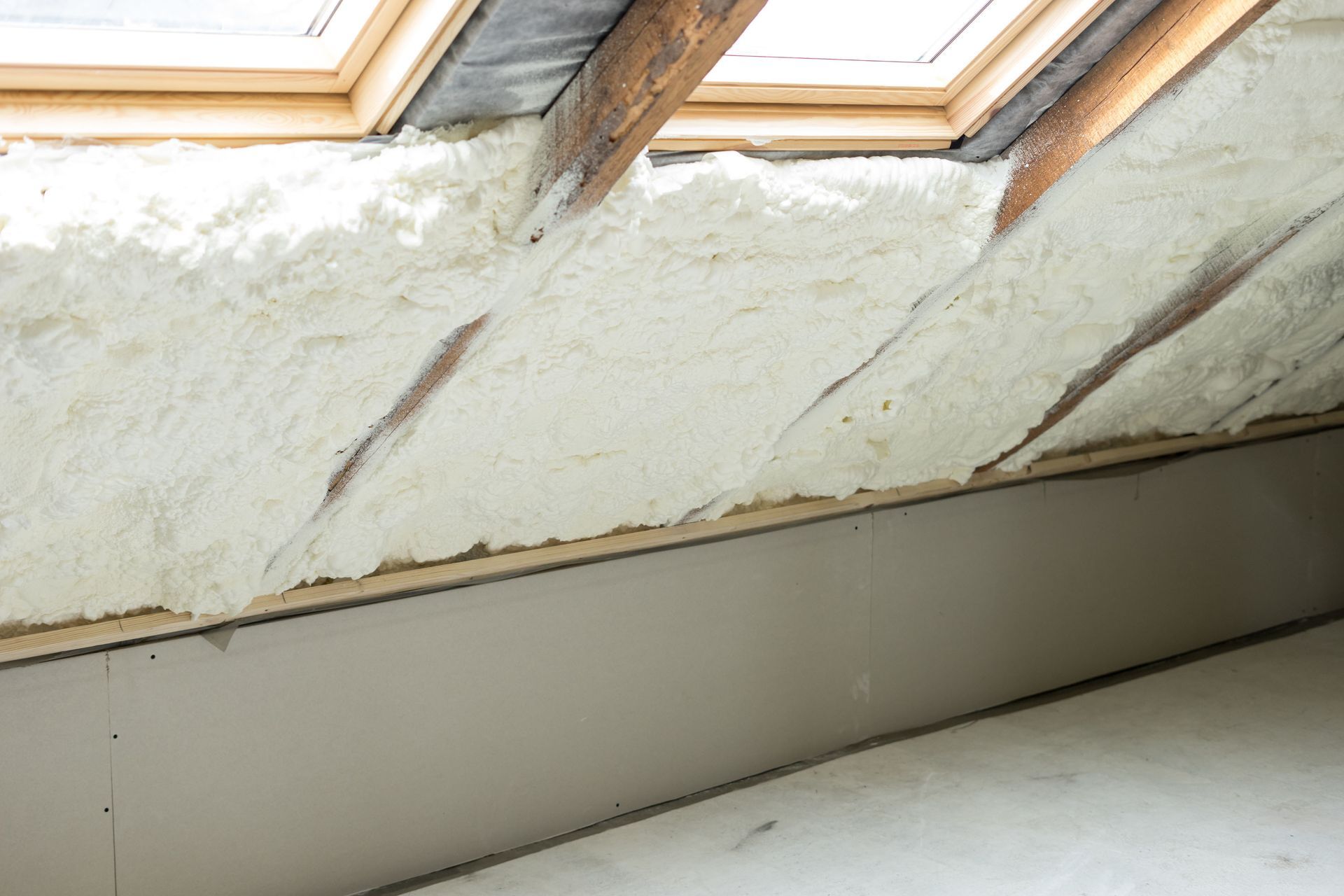
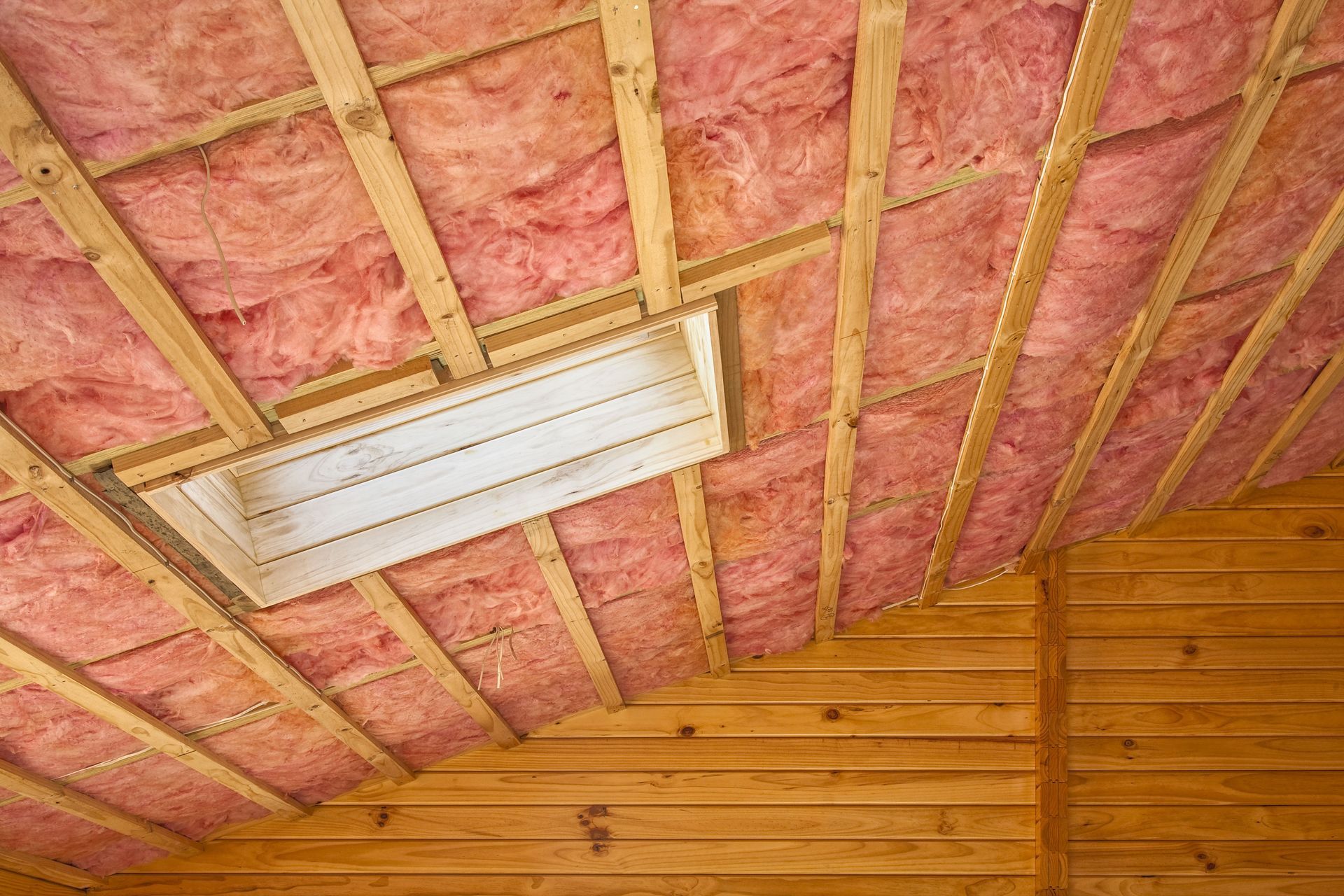
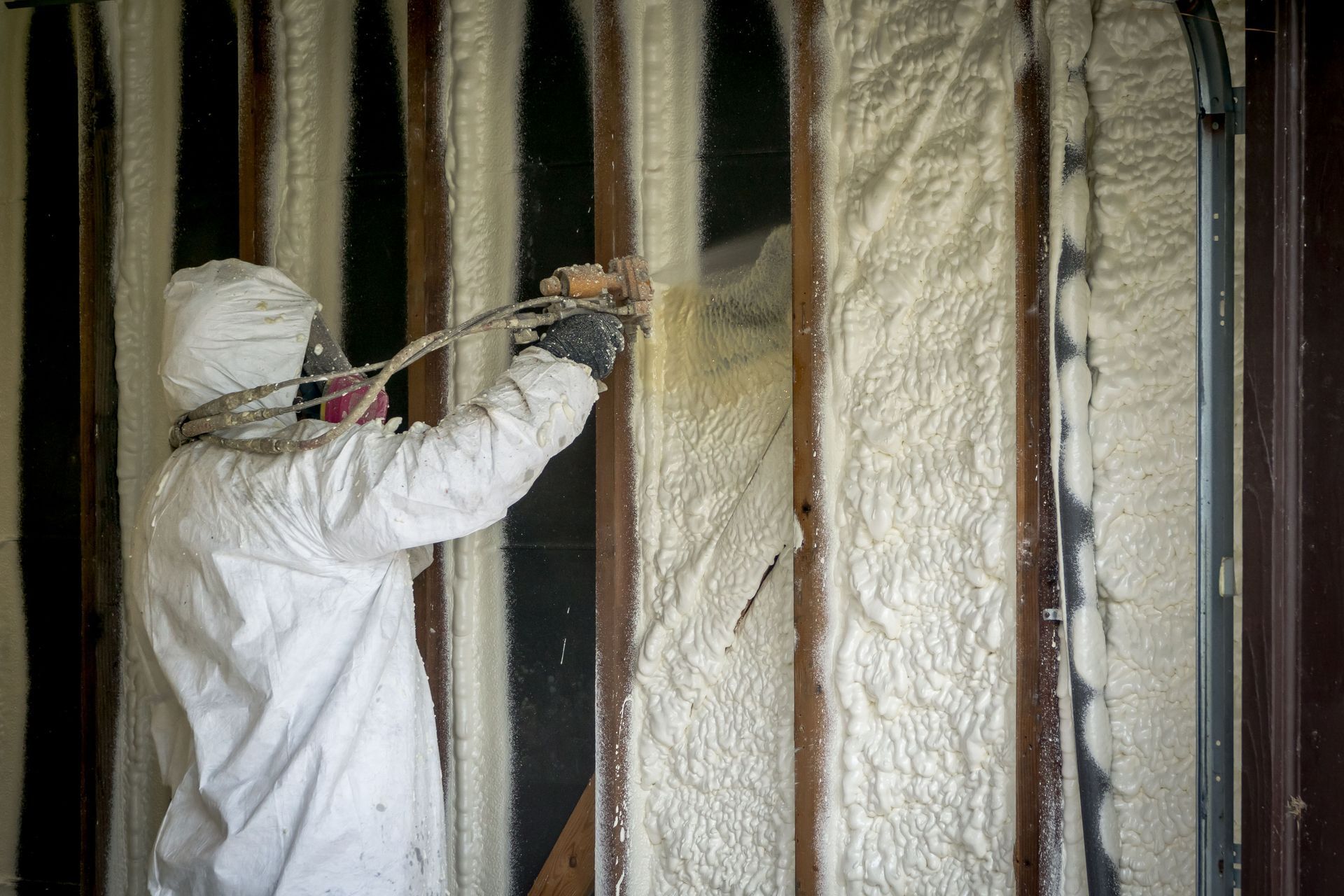
The primary driver behind the return on investment for thermal upgrades shows up in monthly utility statements. Standard building materials like drywall, plywood, and vinyl siding offer minimal resistance to thermal transfer on their own. Installing professional home insulation creates a dense layer of specialized material designed to slow down the movement of heat energy significantly. By slowing thermal transfer, your mechanical heating and cooling systems reach their target thermostat temperatures far faster and cycle on much less frequently. Over the course of a single year, these reduced run times compound into hundreds or even thousands of dollars saved on gas and electricity bills. The capital preserved through lower monthly overhead creates a recurring cash flow benefit that continues for as long as you own the residence.
The Modern Shift in Buyer Preferences
The residential real estate market has experienced a profound shift over the past decade, driven by rising energy prices and heightened consumer awareness. Today's prospective home buyers are far more analytical than previous generations, frequently requesting recent utility statements alongside standard property disclosures. A house featuring new home insulation signals to buyers that the current owner prioritized proactive maintenance and structural health rather than superficial cosmetics. Buyers understand that a freshly painted kitchen cannot offset the ongoing financial drain of an under-insulated building envelope. Consequently, homes featuring documented energy efficiency improvements consistently command higher asking prices and attract more competitive offers from serious buyers who calculate the total cost of ownership rather than just the initial mortgage payment.
The Long-Term Preservation of Structural Integrity
While energy savings receive the most attention, proper thermal sealing plays a crucial, passive role in protecting the physical building materials of your house. In severe winter climates, warm indoor air rising into an under-insulated attic melts the snow resting on the roof deck. That melted water trickles down to the cold roof eaves, where it refreezes into destructive ice dams that back up under shingles and destroy roof framing. Furthermore, unsealed thermal boundaries allow humid air to migrate into wall cavities, creating ideal conditions for structural rot and dangerous mold growth behind the drywall. Comprehensive home insulation acts as a vital barrier against moisture migration, protecting framing timbers, roof decking, and foundation walls from costly environmental degradation. Preserving the physical shell of the house prevents catastrophic repair bills down the road, indirectly protecting your overall property value.
The Measurable Boost in Appraised Property Value
Real estate appraisers evaluate several key metrics when establishing the official market value of a residential property. While visible features like quartz countertops and hardwood floors are easy to see, invisible infrastructure upgrades carry tremendous weight during professional valuations. Upgrading your home insulation provides verifiable, long-term efficiency metrics that appraisers leverage to justify higher property valuations within a local market. These structural enhancements give appraisers tangible data to defend higher valuations during competitive market cycles. Modern green building certifications and energy audit ratings directly translate into measurable equity gains, often returning a substantial percentage of the initial installation cost immediately upon completion. Unlike decorative trends that quickly fall out of style, energy efficiency upgrades maintain their intrinsic financial value indefinitely, appealing to every future demographic of home buyers.
The Substantial Reduction in Maintenance Costs
The operational benefits of thermal sealing extend beyond utility bills to encompass the overall lifespan of your mechanical systems. Heating and cooling equipment represents one of the single most expensive mechanical components in any residential building. When an uninsulated house constantly bleeds thermal energy, the furnace and air conditioner work under continuous strain, leading to premature component failure, frequent repair visits, and early equipment replacement. Proper home insulation reduces the total workload demanded of these systems, allowing HVAC units to operate efficiently well beyond their standard expected lifespans. This extended operational life translates into fewer emergency service calls and less frequent capital expenditures for heavy machinery. Avoiding an unexpected ten-thousand-dollar HVAC replacement preserves your home equity and eliminates one of the most frustrating unexpected expenses associated with residential property ownership.
The Broader Impact on Daily Living Comfort
Financial returns extend beyond strict dollars and cents to include the daily quality of life experienced within the residence. Drafty rooms, uneven temperatures between floors, and excessive outdoor street noise all contribute to a frustrating living environment. Quality home insulation provides dense acoustic dampening alongside thermal protection, creating a remarkably quiet, peaceful indoor sanctuary separated from neighborhood traffic and outdoor weather disruptions. Eliminating these temperature swings ensures that every room in the house remains completely usable throughout the entire year. Furthermore, consistent humidity control and reduced dust intrusion create a healthier indoor air environment for your family. Enjoying superior comfort while simultaneously building long-term equity makes thermal upgrades one of the most satisfying home improvement projects a property owner can pursue.
Maximizing the financial return on thermal improvements requires a methodical approach tailored to the specific vulnerabilities of your residence. Performing a professional energy audit identifies the exact areas where thermal loss occurs most severely, allowing for targeted spending that delivers maximum efficiency gains per dollar spent. Taking the time to select high-performance materials guarantees that the home envelope will perform optimally for decades. Attics, crawl spaces, rim joists, and exterior wall cavities typically represent the highest-yield areas for new home insulation. Addressing these critical structural zones ensures that every dollar invested directly contributes to lower operating costs, structural longevity, and an elevated overall market value for your real estate asset. Contact A & A Insulation today to schedule a comprehensive energy assessment and start maximizing your property's value.