Understanding the role of an insulation contractor is crucial for anyone looking to improve energy efficiency in their home or business. This article delves into how these professionals contribute to reducing energy loss through various methods and approaches. Insulation contractors not only bring technical expertise but also an understanding of the latest materials and techniques to ensure optimal insulation. An effective insulation system not only results in reduced energy bills but also promotes a sustainable environment. Thus, this comprehensive exploration will illuminate the multifaceted role of insulation contractors in energy conservation.
Understanding Energy Loss
Mechanisms of Energy Loss
Energy loss can occur through various mechanisms, primarily conduction, convection, and radiation. Conductive heat loss happens when heat flows through solid materials, such as walls or windows, to cooler areas. Convection involves the movement of air or liquid transferring heat away from a source, often occurring around door and window leaks. Radiative heat loss, on the other hand, is the transfer of heat in the form of infrared radiation between surfaces. Identifying and understanding these mechanisms is essential for implementing effective strategies for reducing energy loss.
Common Areas of Energy Leakage
Common areas where energy leakage occurs include windows, doors, ductwork, attics, and walls. These areas often have insufficient sealing, allowing conditioned air to escape. For example, older homes typically have less insulation in the attic, leading to significant heat loss during winter months. Similarly, gaps around windows and doors can account for a considerable percentage of energy loss if not properly sealed. Understanding these common leakage areas is vital for targeting insulation efforts efficiently.
The Role of Insulation in Energy Conservation
Insulation plays a pivotal role in energy conservation by providing a barrier to heat flow. When installed correctly, insulation helps maintain consistent temperatures within a building, reducing the need for heating and cooling systems. Importantly, according to Energy Star, incorporating structural insulated panels to halt the heat transferring through wood framing members can reduce a wall's energy loss by 25%. Such strategies emphasize the critical contribution of insulation towards energy efficiency. Therefore, insulation is not just a passive component but an active factor in reducing energy consumption.
Environmental and Economic Impacts of Energy Loss
The environmental impact of energy loss is significant, contributing to higher greenhouse gas emissions. As buildings require more fossil fuel-based energy to compensate for the lost warmth or coolness, they inadvertently increase their carbon footprint. Economically, energy loss translates to higher utility bills for homeowners and businesses, a burden that can affect budgets substantially. Moreover, poor insulation can diminish the effectiveness of HVAC systems, leading to more frequent repairs and replacements. Therefore, the combined environmental and economic impacts underscore the importance of addressing energy loss efficiently.
Identifying Symptoms of Poor Insulation
Symptoms of poor insulation are varied but can often include fluctuating indoor temperatures and drafts. Additionally, high energy bills that don't correspond with the expected climate-controlled usage can indicate inadequate insulation. Cold walls, uneven heating or cooling of rooms, and even condensation or mold growth can be signs of compromised insulation integrity. Addressing these symptoms early through professional assessment can prevent further energy loss. Early identification and resolution of these symptoms ensure sustained comfort and energy efficiency in a building.
The Insulation Contractor's Role
Assessment and Evaluation
An insulation contractor begins their role with a comprehensive assessment of the building to identify areas of energy loss. Using specialized tools and methods, they evaluate the current insulation's effectiveness, inspect for gaps, and determine the thermal performance of the building envelope. This assessment forms the foundation upon which appropriate insulation solutions are planned. Contractors prioritize areas that show significant signs of energy inefficiency. The goal is to create a roadmap that targets the critical points where the most significant impact on energy conservation can be achieved.
Material Selection
Material selection is a crucial step in the insulation process where the insulation contractor must balance factors such as R-value, environmental impact, and cost. The choice of material affects not only the immediate thermal performance but also the longevity and sustainability of the insulation. Contractors are knowledgeable about the latest materials on the market, including fiberglass, spray foam, and eco-friendly options, adapting their choices to the specific needs of the building. The right material can make a difference in the overall energy efficiency landscape of a property. This careful selection ensures that the insulation fulfills both performance and client-specific goals.
Installation Techniques
An insulation contractor employs various techniques to install insulation effectively and safely. The method can vary based on the material used; for example, spray foam requires precision application tools, while fiberglass may involve rolling or blowing into place. Proper installation is critical to the performance of the insulation, as gaps or compressed material can significantly decrease effectiveness. Contractors follow industry standards and guidelines to ensure that every installation is optimal and durable. This attention to detail helps in minimizing potential energy loss further.
Compliance with Safety Standards
Safety is paramount in insulation installation, both for the installers and the occupants of the buildings. Contractors must ensure compliance with local building codes and safety standards, such as proper handling of materials and avoidance of fire hazards. They also consider the implications of material VOC emissions and ensure adequate ventilation during and after installation. Meeting these safety standards not only protects health but also ensures that the insulation performs as intended without adverse effects. Compliance maintains the integrity and trustworthiness of a contractor's work.
Diverse Insulation Materials
Fiberglass Insulation
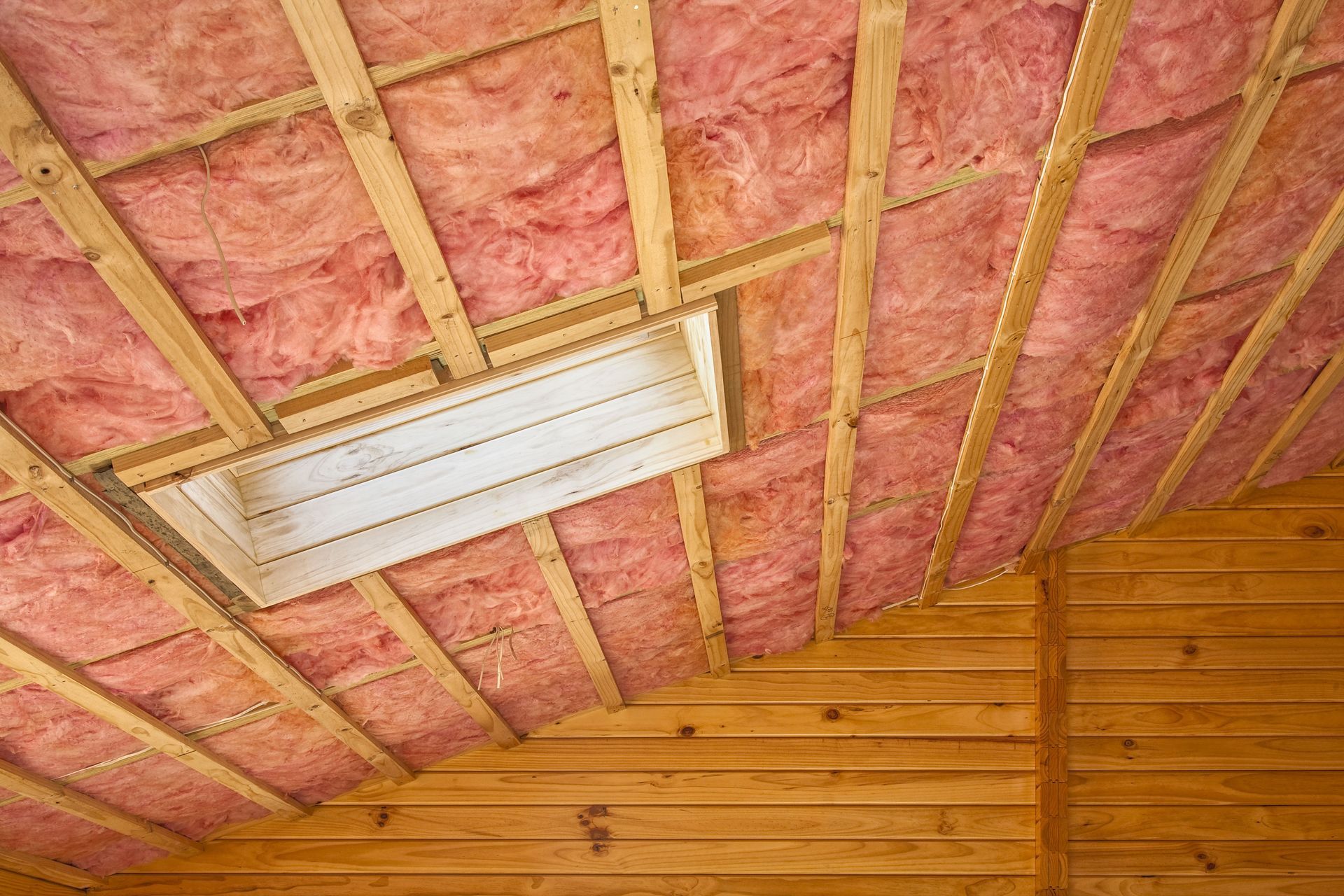
Fiberglass remains one of the most popular insulation materials due to its cost-effectiveness and thermal performance. Composed of fine glass fibers, it traps air pockets that reduce the rate of heat conduction in a structure. Its versatility allows it to be used in various forms, such as batts, rolls, and loose-fill, making it suitable for different applications. Fiberglass insulation is also known for its non-combustibility, adding a layer of safety to its thermal benefits. For homeowners seeking an economical yet efficient insulation material, fiberglass often becomes the go-to choice.
Foam Board Insulation
Foam board insulation is recognized for its high insulating value and moisture resistance, making it ideal for areas susceptible to dampness. It is manufactured from polystyrene, polyisocyanurate, or polyurethane, providing superior thermal resistance for its thickness. Contractors often use foam boards in floors, walls, and roofs to achieve a continuous thermal barrier with minimal space requirements. The rigidity and durability of foam board insulation also contribute to its ability to withstand compression, maintaining long-term effectiveness. These qualities make it a favored material in both residential and commercial building projects.
Spray Foam Insulation
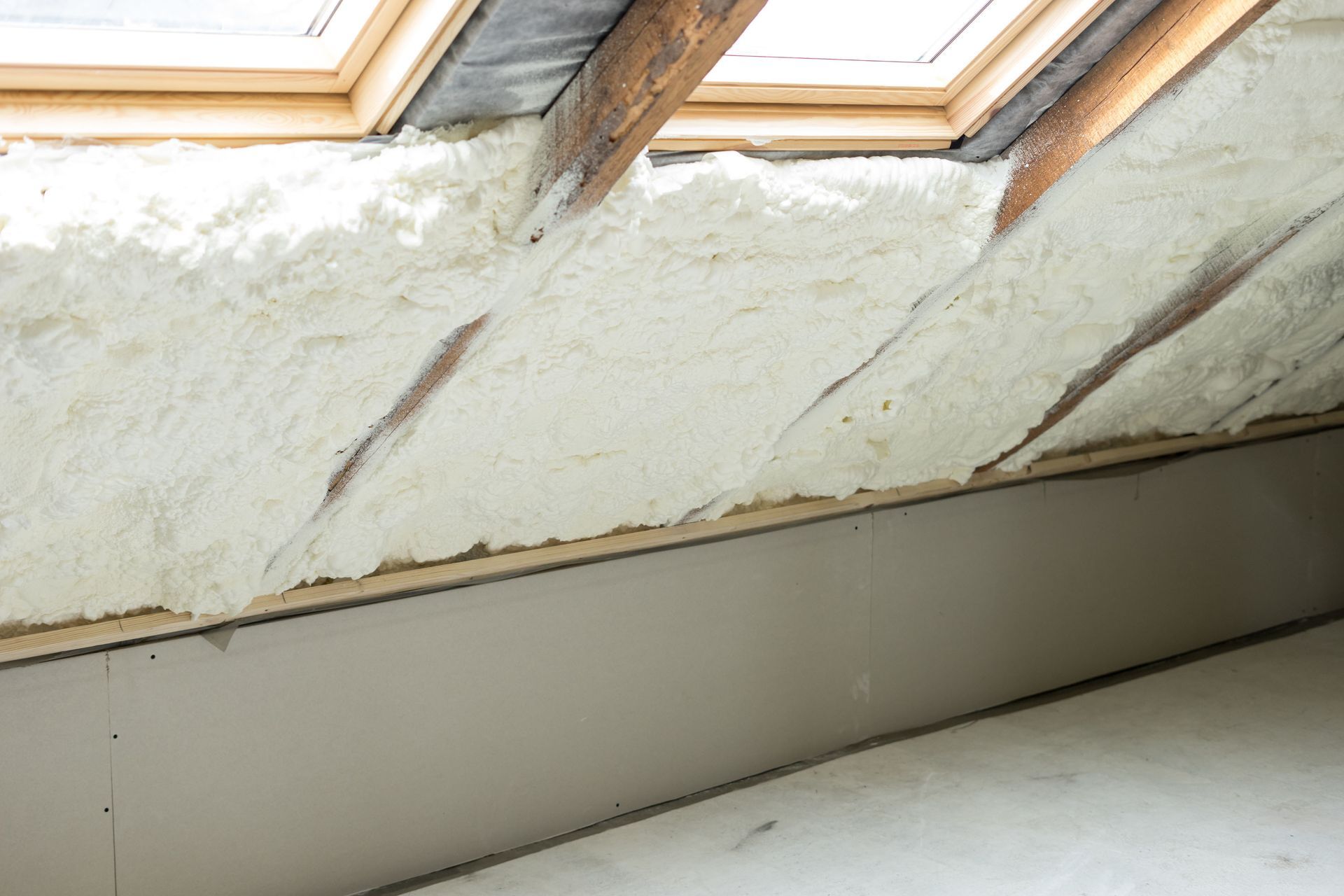
Spray foam insulation is touted for its unparalleled ability to seal air leaks, making it one of the most comprehensive solutions in energy efficiency. It expands upon application, filling gaps and crevices that other materials might miss. This property not only provides insulation but also adds structural strength to walls and roofs. Spray foam can come as open-cell or closed-cell, each offering different benefits such as flexibility versus rigidity and enhanced moisture barriers. Its effectiveness in creating an airtight seal often overcomes its higher cost as a worthwhile investment.
Reflective or Radiant Barrier Insulation
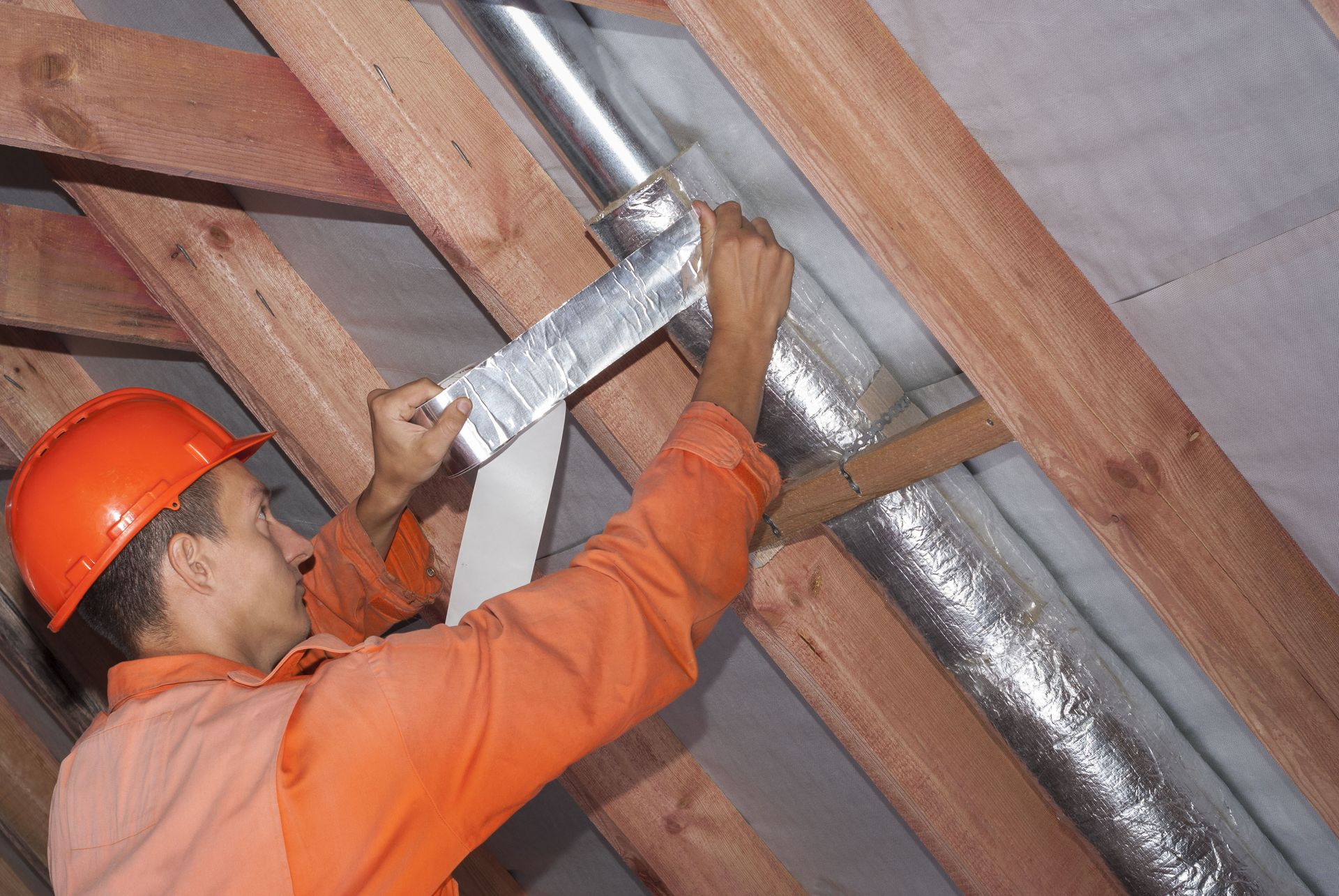
Reflective insulation or radiant barriers are designed to reflect heat rather than absorb it, often used in attic spaces to combat the summer heat. Composed usually of a reflective foil layer backed with paper or radiant barrier paint, it reflects radiant heat away, maintaining cooler indoor temperatures. This type of insulation is especially effective in warm climates where cooling costs are a significant concern. Reflective barriers increase thermal comfort and reduce energy costs by diverting heat in warm weather. Thus, its strategic placement can significantly complement traditional insulation methods.
Insulation contractors play a pivotal role in minimizing energy loss and improving energy efficiency. Their expertise in assessment, material selection, and installation not only contributes to lower energy bills but also supports environmental sustainability. By integrating advanced technologies and staying informed on industry trends, contractors ensure their practices align with the ever-evolving landscape of energy dynamics. Consumers, empowered with awareness and education, can make informed decisions to enhance their homes' energy performance. Collectively, with ongoing innovation and governmental support, insulation stands as a cornerstone of a sustainable and energy-efficient future. Reach out to A & A Insulation today to see how we can help you!