By Joshua Johns
September 8, 2026
The hidden space beneath a home plays a central role in defining overall structural health, indoor air quality, and everyday living conditions. Traditional building designs treated crawl spaces as unconditioned zones, relying on basic foundation vents to regulate moisture. Modern building science shows that unsealed vents allow humidity, soil vapor, and subterranean air to penetrate lower levels. Resolving these dampness issues requires an advanced building strategy that treats the foundation as a controlled space.
Property owners increasingly recognize the value of modern building performance upgrades that isolate structural foundations from exterior elements. Industry analysis underscores this growing trend toward high-efficiency materials, noting that according to Precedenceresearch.com, the U.S. insulation market reached USD 10.92 billion in 2025. Applying durable spray foam insulation serves as an effective method for transforming vulnerable crawl spaces into dry foundations. Establishing an airtight, moisture-resistant barrier beneath living quarters protects framing while vastly improving home comfort.
Understand Crawl Space Moisture Risks
Managing the environment under a home begins with identifying how water vapor moves through porous masonry, bare dirt, and open foundation vents. Subterranean soil naturally holds moisture, which continuously evaporates upward into the crawl space cavity regardless of weather. When outdoor air rushes through open vents during hot summer months, it collides with cool subfloor components, causing humidity levels to spike. Ignoring these vulnerabilities allows trapped vapor to saturate framing and corrode metal fasteners.
The natural airflow dynamic known as the stack effect intensifies moisture risks by operating like a continuous vacuum throughout the home. As warm air rises and exits through upper ceiling penetrations or attic vents, it draws replacement air upward from subterranean areas. This suction pulls damp subterranean air, soil gases, and airborne contaminants straight into living spaces. Applying high-density spray foam insulation along foundation perimeters creates an impenetrable boundary that interrupts this upward vapor migration.
Seal Air Leaks and Foundation Gaps
Unconditioned crawl spaces are naturally prone to air leakage because standard construction materials expand, contract, and settle over time. Microscopic gaps around sill plates, mortar joints in concrete block foundations, and utility penetrations create open pathways for outdoor air. When uncontrolled air streams into these lower compartments, drafty currents bring sensible heat during summer and freezing conditions during winter. These unsealed pathways throw off internal home temperatures and introduce persistent moisture into hidden spaces.
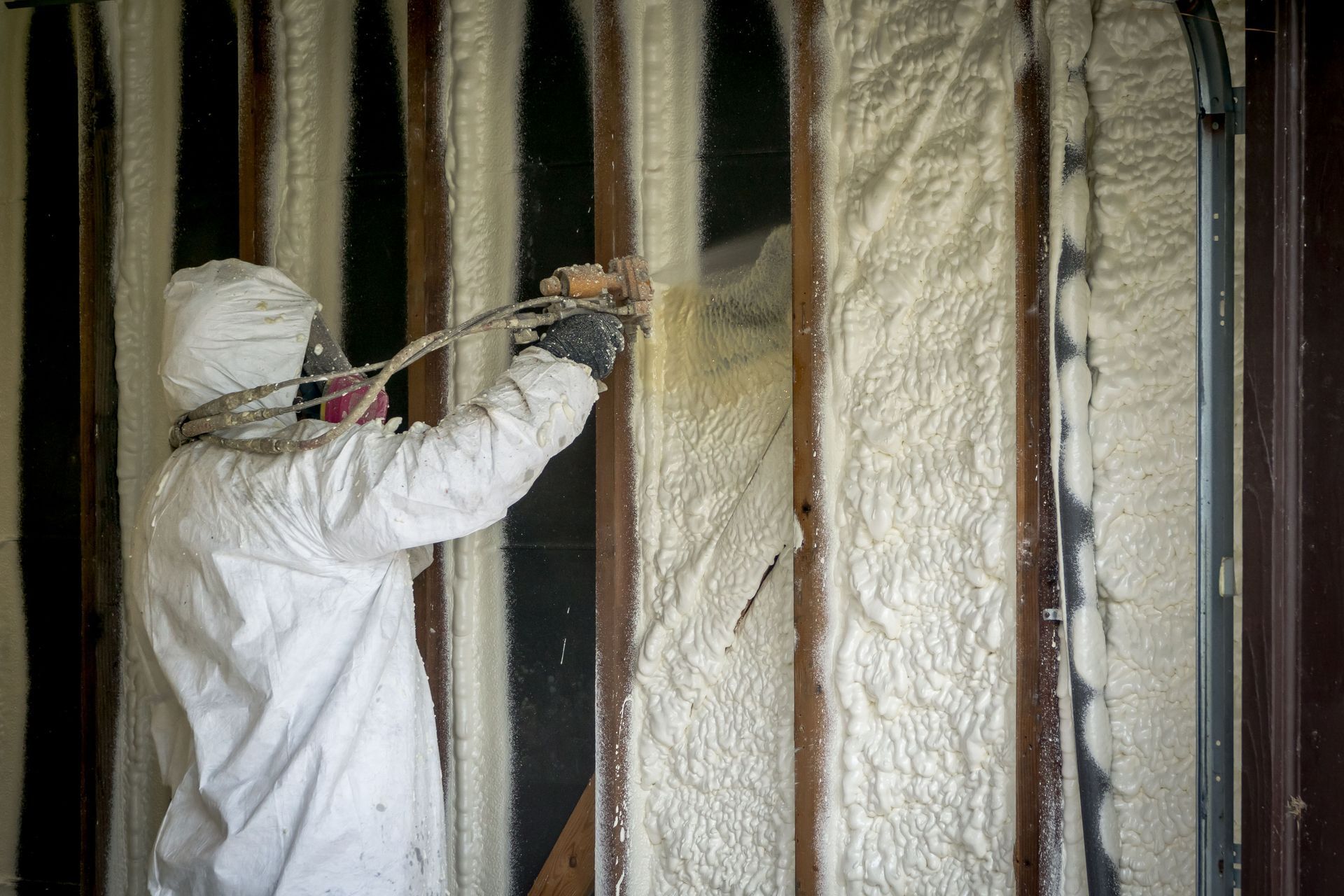
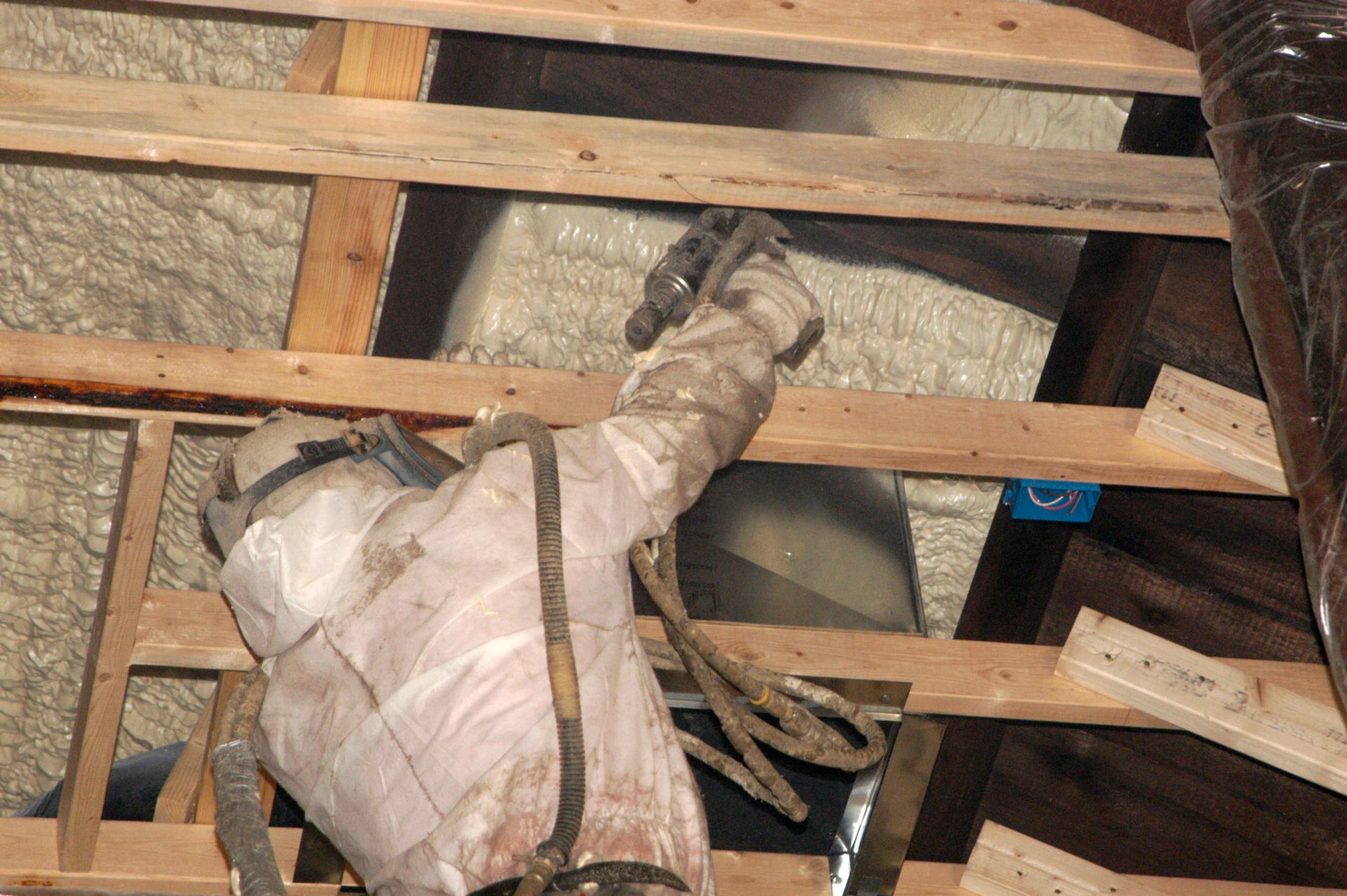
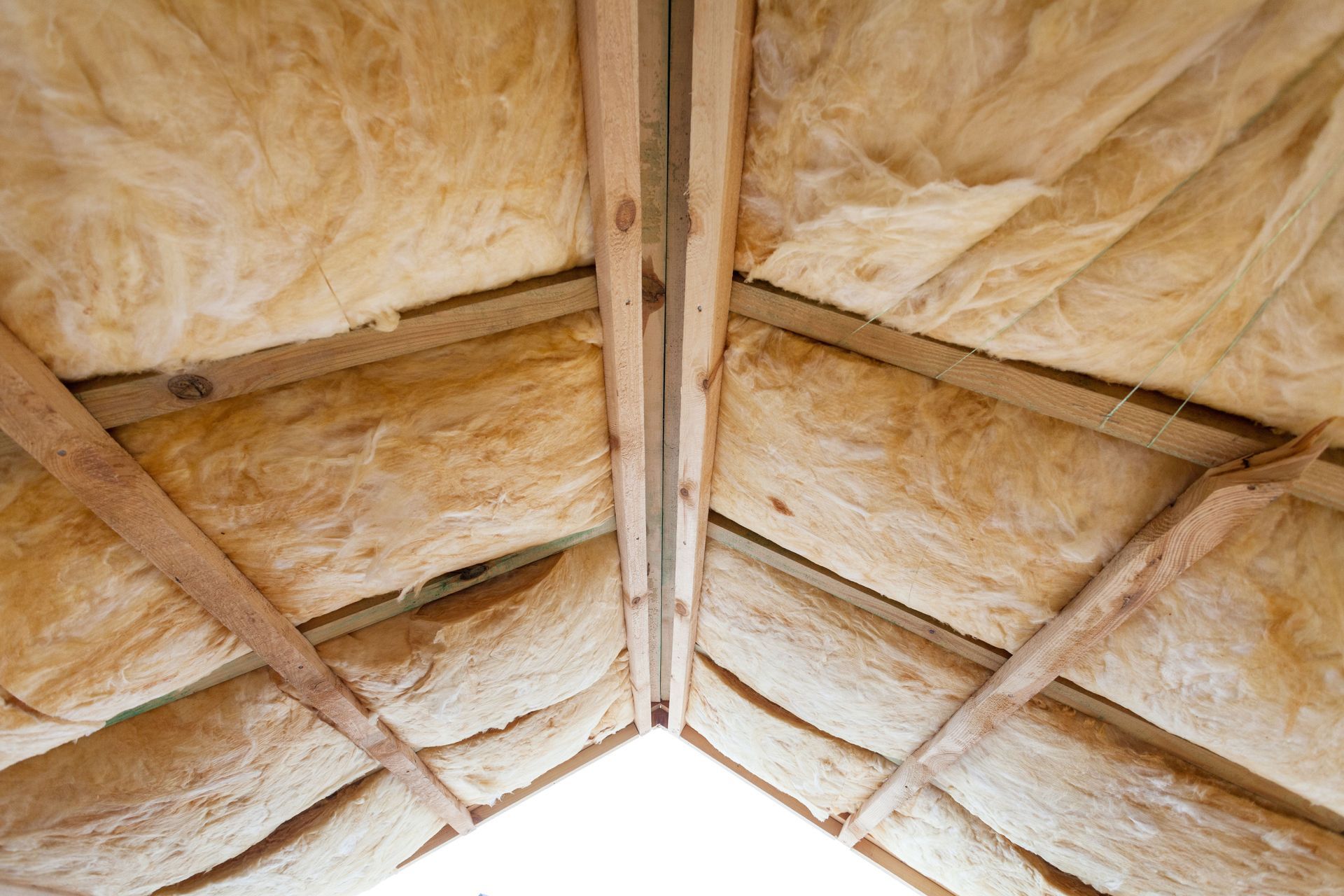
Professional application of expanding polyurethane excels at sealing air leaks and foundation gaps because the material expands to fill complex voids. Conventional fiberglass batts and rigid board products often sag or leave open spaces along irregular masonry, but expanding foam fills every fissure. Applying professional spray foam insulation directly to rim joists, foundation walls, and utility cutouts creates a custom air barrier. This dense material stops convection currents, eliminates drafts, and seals pest pathways.
Create a Continuous Vapor Barrier
A complete moisture management strategy must address soil water vapor rising from dirt floors as well as vapor transmission through porous masonry walls. Standard plastic sheeting laid loosely across dirt floors frequently shifts, tears during maintenance, or leaves uncovered gaps along perimeter walls. These unsealed edges allow ground moisture to bypass protective barriers and accumulate underneath subfloor framing. Achieving true encapsulation requires an uninterrupted envelope that isolates the interior cavity from wet subterranean soil.
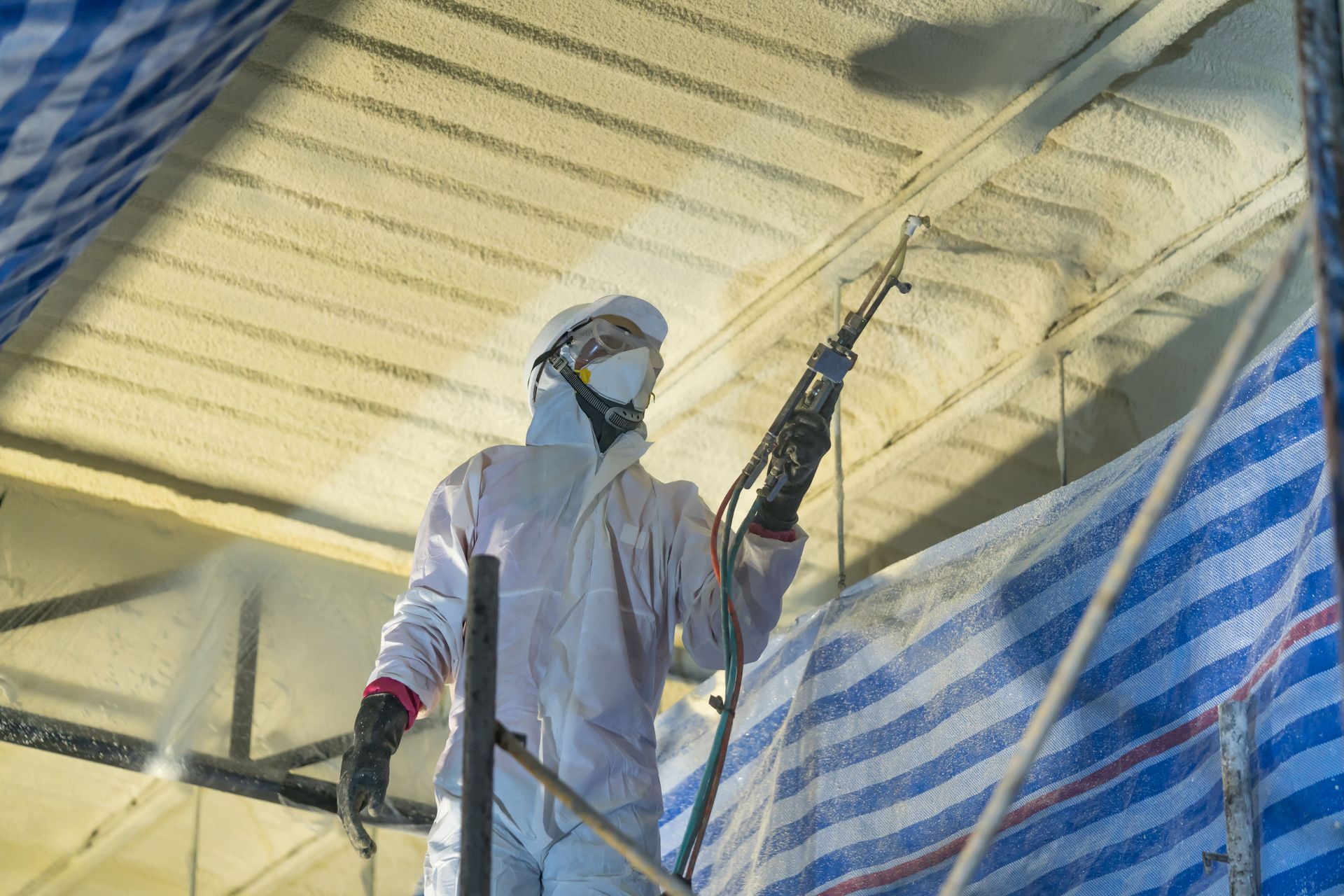
Contractors establish complete isolation by connecting specialized reinforced floor membranes directly into rigid wall insulation applications. High-density spray foam insulation acts as an effective vapor retarder, adhering tightly to concrete blocks, poured concrete, and wood framing without requiring mechanical fasteners. Spraying material directly down interior foundation walls to meet and overlap heavy floor membranes forms a seamless, monolithic shell. This tight protective layer prevents moisture transmission through masonry, keeping the cavity permanently dry.
Prevent Condensation on Cool Surfaces
Condensation occurs whenever warm, moisture-laden air contacts structural materials that sit at or below the local dew point temperature. In subterranean crawl spaces, earth temperatures keep concrete walls, floor joists, water pipes, and metal ductwork relatively cool throughout the year. When humid outdoor air enters this shaded environment during warmer months, liquid water rapidly accumulates on cool structural elements. Over time, standing water droplets accelerate framing rot, rust metal ductwork, and ruin floor insulation.
Insulating perimeter foundation walls shifts indoor thermal dynamics, preventing condensation by keeping interior structural faces well above local dew point levels. Installing closed-cell spray foam insulation directly onto masonry walls and rim joists adds substantial thermal resistance while eliminating air pockets where moisture collects. Because expanding material bonds directly to structural substrates, it leaves no dead air space between cold concrete and insulation. This direct adhesion ensures humid air never contacts cold surfaces.
Stop Mold Growth and Timber Decay
Microscopic mold spores exist naturally in outdoor air, but they require organic matter, warm temperatures, and sustained moisture to settle and multiply. Crawl spaces contain abundant food sources, including wooden floor joists, structural plywood sheathing, and paper-faced insulation batts. When ambient humidity remains high across extended periods, aggressive fungal colonies rapidly expand across exposed framing. Beyond destroying building materials and compromising floor stability, active fungal growth releases spores that pass directly into living quarters.
Removing subterranean moisture is the single most effective approach for protecting structural framing against destructive wood rot and fungal contamination. Wood-destroying fungi rely on absorbed moisture within timber fibers to break down wood cellulose and cause structural collapse. Installing non-porous spray foam insulation starves biological organisms by eliminating the moisture supply necessary for spore germination. Because cured foam contains no organic material, it offers zero nutritional value to mold spores, keeping framing sound.
Improve Year-Round Indoor Energy Efficiency
An unsealed, unconditioned crawl space creates a continuous thermal drain on the house above, forcing HVAC systems to work harder to maintain steady interior temperatures. During cold winter months, frigid air sitting beneath floor joists draws heat out of living spaces through conduction, resulting in uncomfortably cold floors and high heating bills. During summer, warm, damp air trapped below increases the cooling load on air conditioners, forcing equipment to run longer cycles to control humidity.
Encapsulating foundation walls lowers residential heating and cooling demands while creating a much more comfortable indoor living environment. Applying high-performance spray foam insulation along foundation walls minimizes conductive heat loss and transforms the crawl space into a conditioned buffer zone. Protecting floor framing and subfloor ductwork stabilizes relative humidity levels and prevents extreme temperature drops beneath main floors. This continuous thermal seal allows heating and cooling equipment to operate far more efficiently.
Transforming a dark, damp crawl space into a clean, conditioned subterranean space is one of the most effective upgrades a property owner can choose to protect structural integrity and indoor air quality. Addressing moisture migration at its primary source eliminates the compounding risks of timber rot, aggressive mold proliferation, and high utility bills caused by thermal loss. Executing a complete encapsulation strategy seals rim joists, foundation cracks, and masonry walls to create a tight buffer zone.
Securing the lowest level of a building provides long-term stability, protecting structural investments while fostering a healthier indoor environment for everyone inside. Our experienced team specializes in comprehensive foundation upgrades, moisture control solutions, and professional building envelope installations tailored to your home's unique needs. Contact us at A & A Insulation today to schedule your consultation and let our team protect your property with quality insulation services.