Energy efficiency is at the forefront of modern building considerations as both homeowners and builders look to reduce consumption and costs. One of the key components in this quest is insulation, which plays a pivotal role in maintaining energy efficiency in contemporary structures. This article explores why up-to-date insulation has become crucial, especially in the context of environmental impacts, economic benefits, and comfort improvements. Working with qualified insulation companies allows property owners to correctly identify thermal weak spots and deploy modern materials that keep indoor spaces stable all year long. By taking a proactive approach to property maintenance, we can protect our homes from volatile weather conditions while keeping utility expenses manageable.
Optimize Energy Efficiency and Reduce Consumption
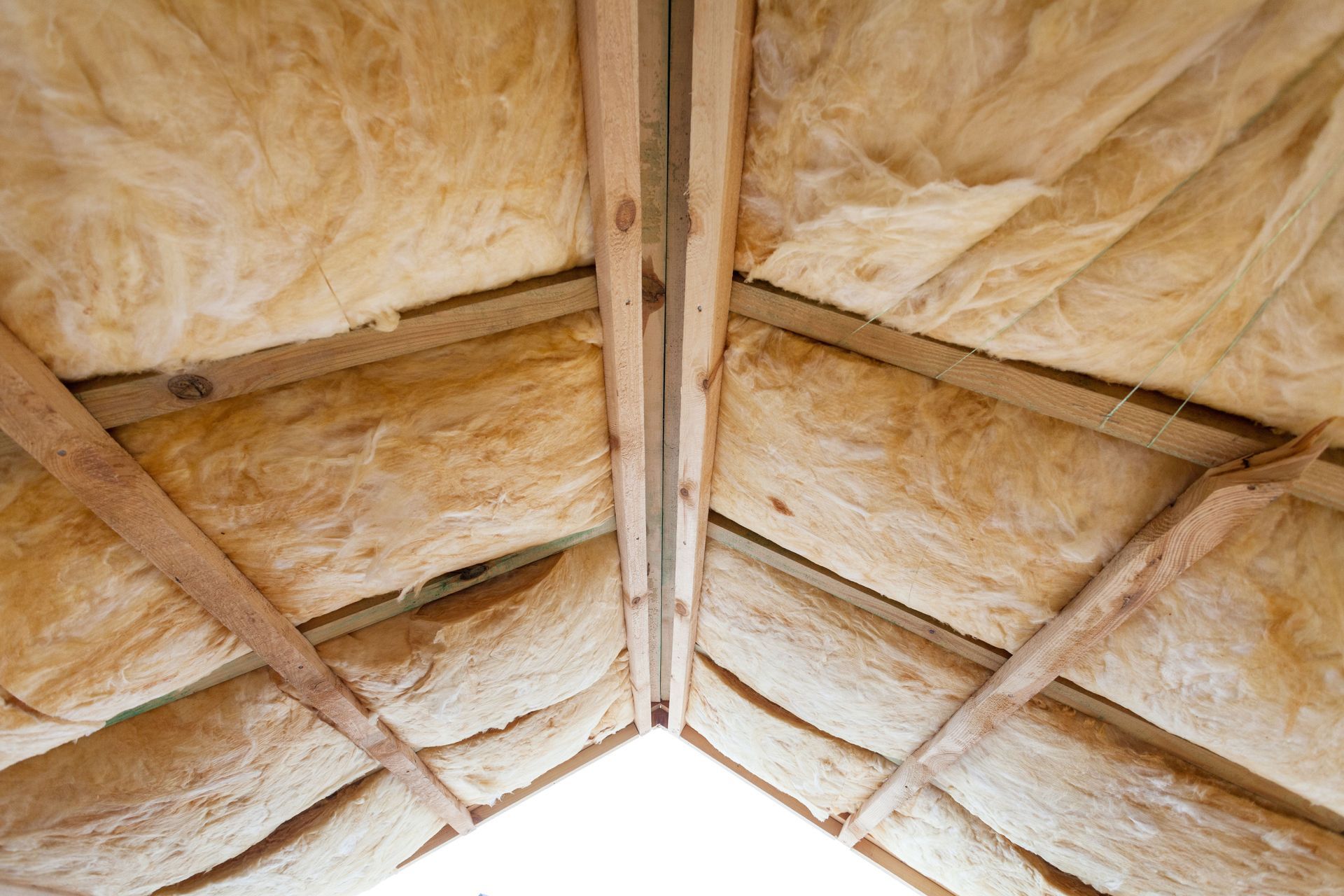
Proper thermal barriers are critical in minimizing energy consumption by maintaining a stable indoor temperature without excessive dependence on heating or cooling systems. When we install advanced materials, we create a defensive seal that reduces the need for HVAC units to run constantly, effectively decreasing monthly utility usage. According to Insulation Institute, 89% of U.S. single-family homes are not properly insulated, decreasing comfort while increasing energy costs for homeowners. This striking statistic highlights the widespread need for professional assessments to fix systemic energy drain across the region.
Lower Heating and Cooling Costs Considerably
Heating and cooling costs make up a substantial portion of a household's monthly energy expenses, and high-quality materials can substantially lower these costs. By working with professional insulation companies, homeowners can successfully seal the envelope of a house to keep heat inside during winter and outside during summer. This efficiency not only aids in managing immediate monthly expenses but also contributes to a sustainable lifestyle by reducing overall power consumption. Furthermore, improved thermal resistance can alleviate the financial strain caused by sudden price fluctuations in regional energy markets.
Improve HVAC System Efficiency and Longevity
The role of a proper thermal boundary in enhancing HVAC system efficiency cannot be overstated. When a residential building is adequately sealed, heating, ventilation, and air conditioning systems do not have to work nearly as hard, which extends their operational lifespan. An efficient HVAC system results in less frequent maintenance visits and lower repair costs, adding another layer of financial relief for the property owner. Additionally, well-functioning mechanical systems provide superior air filtration and consistent airflow throughout every room.
Utilize Financial Incentives and Rebates
The financial advantages of making thermal upgrades extend far beyond direct monthly savings on utility bills. Regional governments and utility providers often provide financial incentives and rebates to encourage property improvements, reducing the initial investment for families. Experienced insulation companies can help guide property owners through the paperwork required to qualify for these localized green initiatives. These programs can significantly offset the costs of installing high-performance materials, making a home upgrade accessible to a wide array of consumers.
Elevate Long-Term Investment Value
Upgrading the thermal barrier of a building is not just about immediate savings; it is also a strategic long-term investment in property value. Homes featuring modern and effective materials are highly marketable, appealing directly to eco-conscious buyers who prioritize lower operational costs. Over time, the cost savings on utility bills combined with increased property value offer substantial returns on the initial project investment. For property owners, this means a potential increase in resale valuation and a much faster turnaround time on the market.
Minimize Carbon Footprint and Support Sustainability
Improving a home's thermal defense is a vital step toward reducing the carbon footprint of residential and commercial buildings. By minimizing energy consumption and improving efficiency, less fossil fuel is burned, which in turn decreases greenhouse gas emissions. This reduction is crucial because the residential building sector accounts for a significant percentage of global emissions. Homeowners and builders play a vital role in fighting climate change by opting for up-to-date, eco-friendly thermal solutions.
Integrate Insulation into Sustainable Building Practices
Modern building standards emphasize advanced thermal barriers as part of a broader commitment to long-term structural sustainability. By integrating high-quality materials, builders meet shifting regulatory requirements and achieve much higher energy ratings for new structures. Additionally, sustainable options, such as recycled content and renewable resources, reduce environmental impact during the manufacturing stage. Experienced insulation companies understand how to align material selections with these evolving green construction standards.
Choose Eco-Friendly Materials for Home Construction
The choice of structural materials plays a massive role in ensuring eco-friendliness and global sustainability. Advances in technology have introduced materials that offer exceptional thermal resistance with minimal environmental detriment during production. These modern products provide excellent thermal resistance while serving as highly responsible options compared to traditional alternatives. Using eco-friendly materials grants property owners total peace of mind that they are reducing their carbon footprint over time.
Study Eco-Conscious Building Designs
Real-world examples demonstrate the profound impact that up-to-date thermal materials can have on overall energy efficiency. Case studies of eco-conscious building designs showcase substantial reductions in operating costs and carbon emissions, validating the effectiveness of modern options. These buildings often utilize a combination of high R-value materials, passive solar design, and energy-efficient windows to maintain optimal performance. Their success stories underline the importance of treating thermal barriers as part of a holistic approach to sustainable construction.
Achieve Regulatory Compliance and Environmental Certifications
Updated thermal barriers ensure buildings meet regulatory compliance and achieve environmental certifications, providing credibility and recognition for eco-friendly practices. Certifications such as LEED underscore a building's commitment to sustainability and can be pivotal in a real estate market increasingly focused on green practices. Compliance with modern standards not only helps organizations avoid potential fines but also positions them as leaders in sustainable practices. These certifications often translate directly to increased property value, as modern consumers place a premium on energy savings.
Align with Consumer Health Preferences
As consumer awareness of health and environmental issues grows, real estate preferences shift heavily toward homes that offer premium thermal barriers. People are increasingly prioritizing indoor air quality and structural sustainability when selecting new homes, prompting more property owners to upgrade. Partnering with reputable insulation companies allows sellers to verify the quality of their home's envelope prior to listing. The rising demand for homes with effective thermal features highlights a significant trend in consumer health prioritization.
Support the Growth of the Insulation Industry
The specialized building materials sector is experiencing substantial growth, driven by the increasing demand for energy-efficient and sustainable building solutions. Continuous innovation in materials is fueling this expansion, as local insulation companies invest in better equipment and training. As the regional emphasis on reducing carbon emissions intensifies, the industry meets these demands with cutting-edge solutions. This growth is not only enhancing building performance but also generating stable economic opportunities within the local construction sectors.
Address the Construction Industry Skills Gap
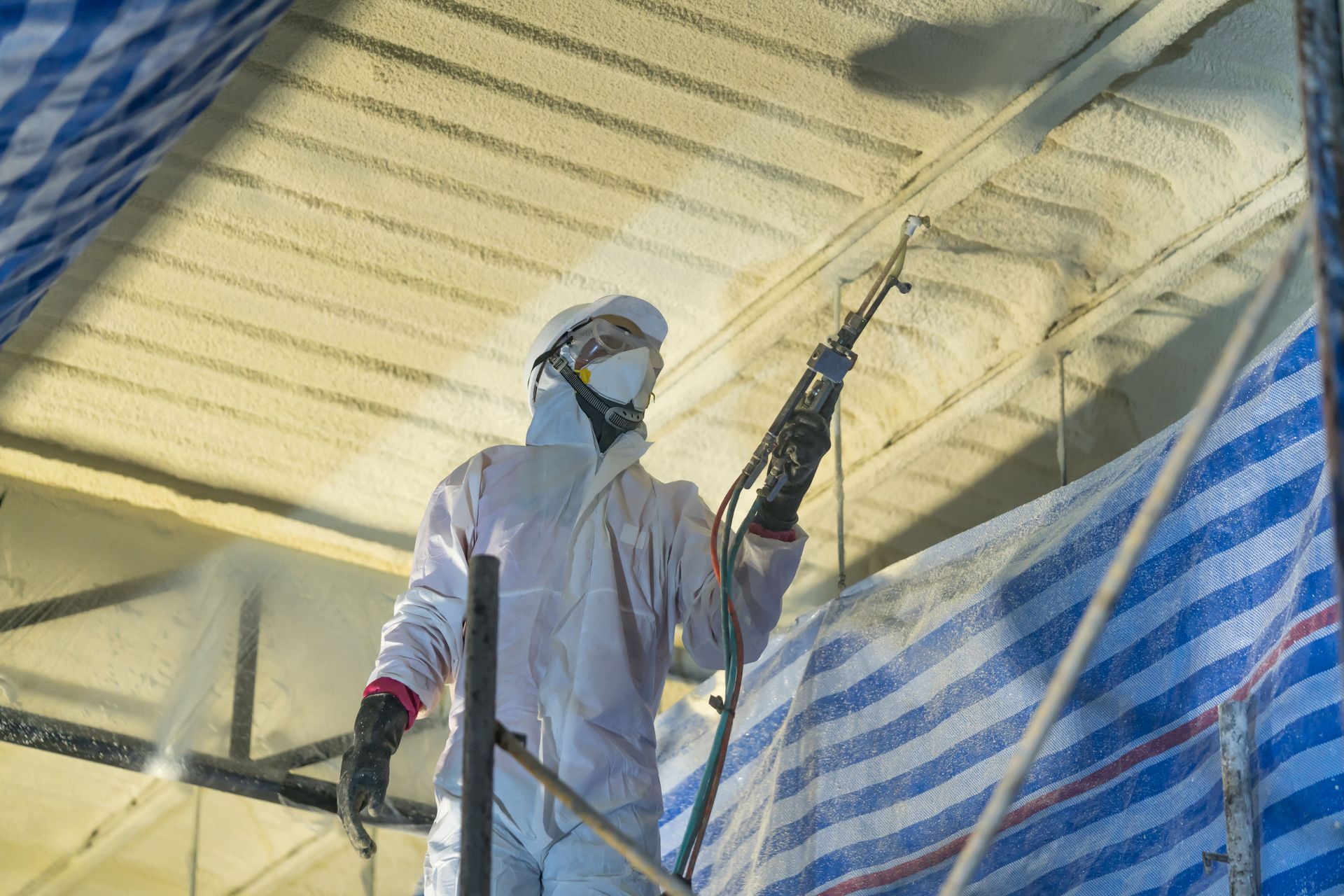
A major challenge facing the construction sector is addressing skills gaps in implementing advanced structural technologies. High-tech applications require specialized training and knowledge, which necessitates targeted educational initiatives for local crews. Professional insulation companies prioritize ongoing training to ensure that their technicians understand how to safely handle and deploy modern spray foams and materials. Developing a highly skilled workforce ensures the local industry can progress and maximize the benefits of modern advancements.
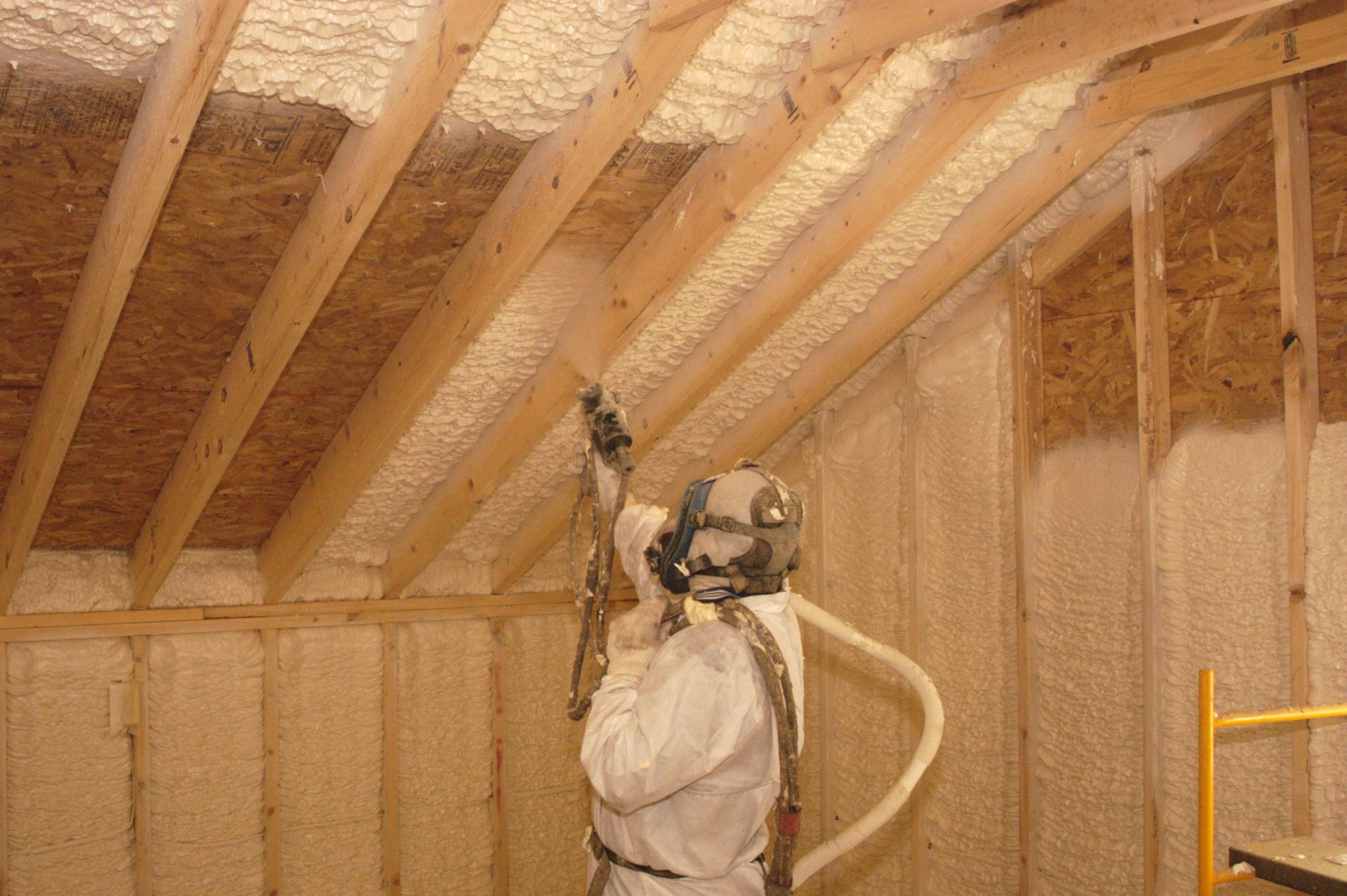
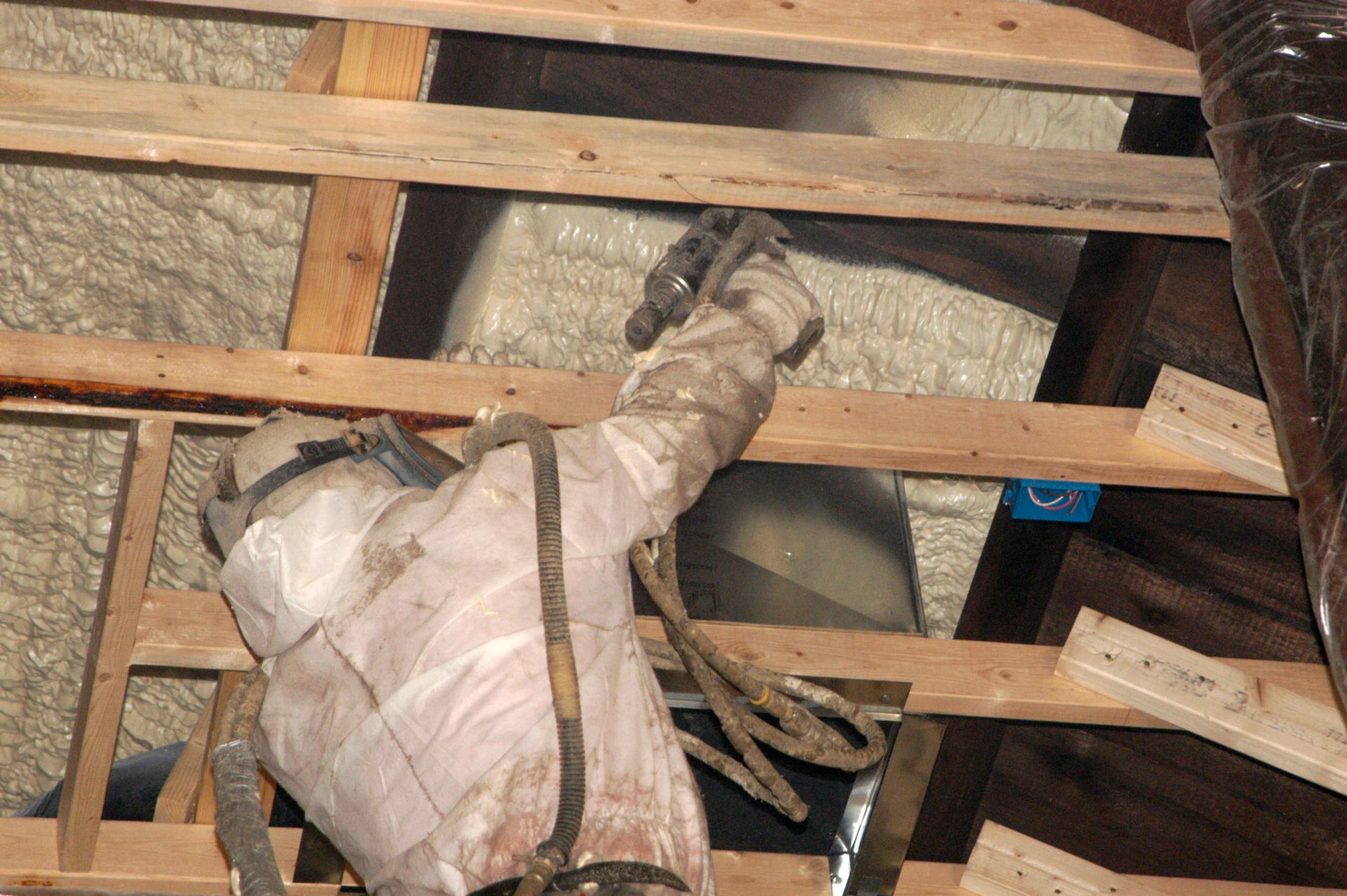
The importance of up-to-date insulation is paramount in promoting long-term energy efficiency, environmental sustainability, and economic benefits for homeowners. As energy demands increase and local weather patterns become more extreme, modern spray foam and thermal barriers provide a resilient, versatile solution adaptable to both new constructions and aging structures. Investment in modern materials yields profound advantages, from reducing monthly cooling bills to elevating property values and enhancing daily living conditions. When you are ready to secure your property and lower your monthly overhead, contacting established insulation companies remains the most effective step forward. We invite you to reach out to A & A Insulation today to schedule a comprehensive evaluation of your property's thermal performance and learn how our advanced spray foam applications can protect your investment for decades to come.