By Joshua Johns
May 27, 2026
Explore the critical role insulation plays in enhancing home comfort, energy efficiency, and long-term financial savings. This article outlines why investing in quality insulation is a wise decision for homeowners seeking to maximize their property's value and performance. By understanding insulation's multifaceted benefits and utilizing a home insulation service, homeowners can make informed decisions that not only cater to comfort and health but also align with financial and environmental goals.
Types of Insulation Materials
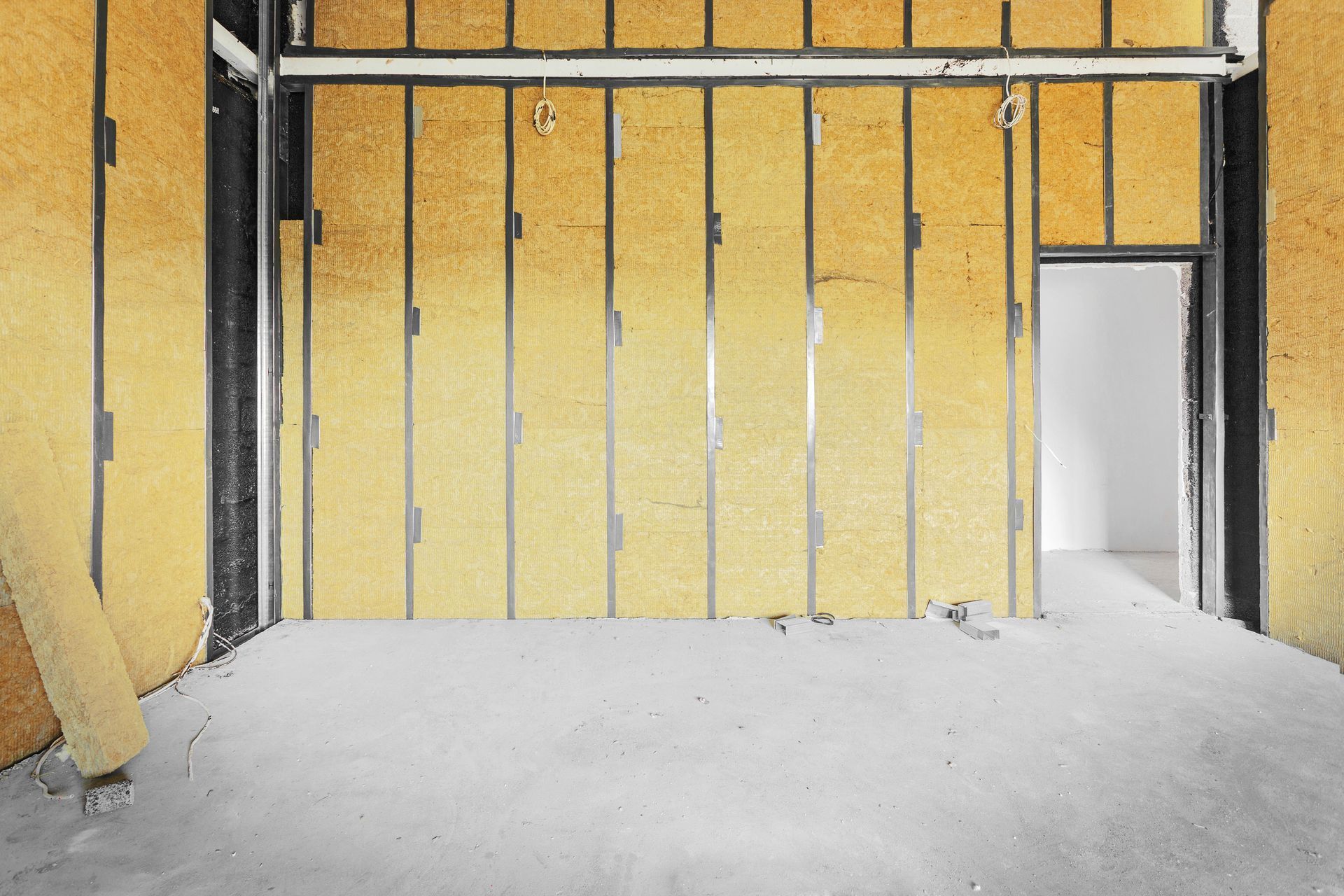
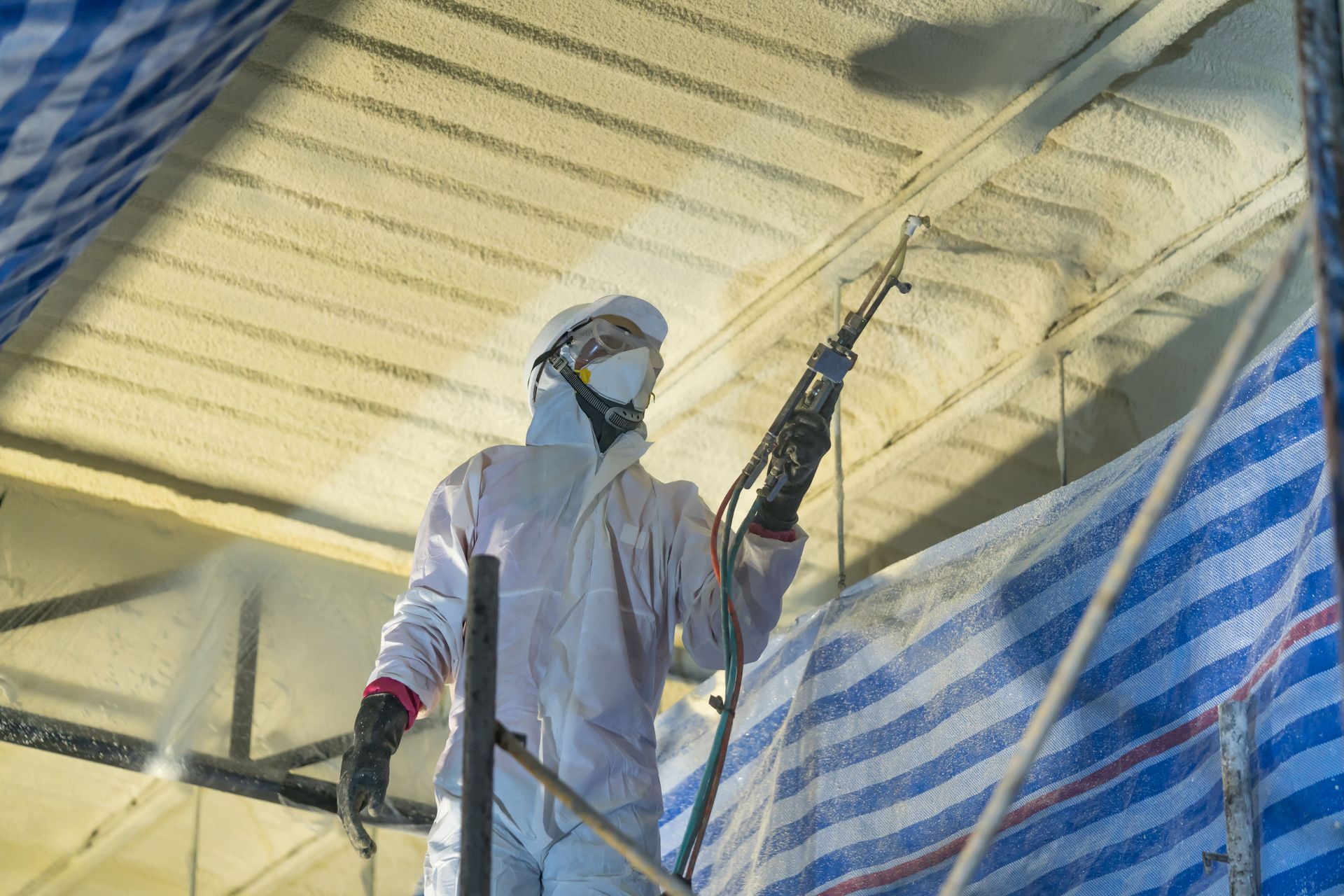
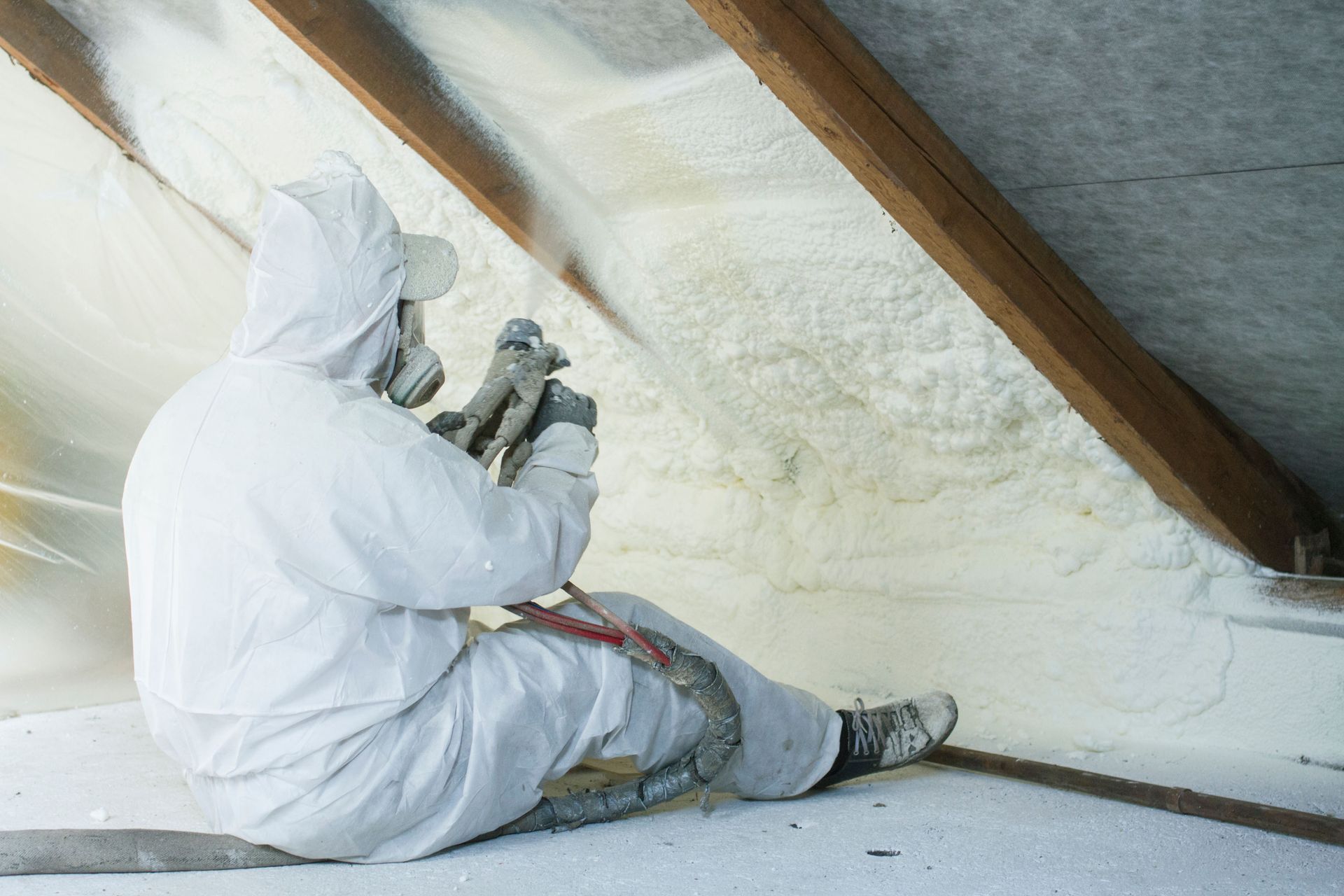
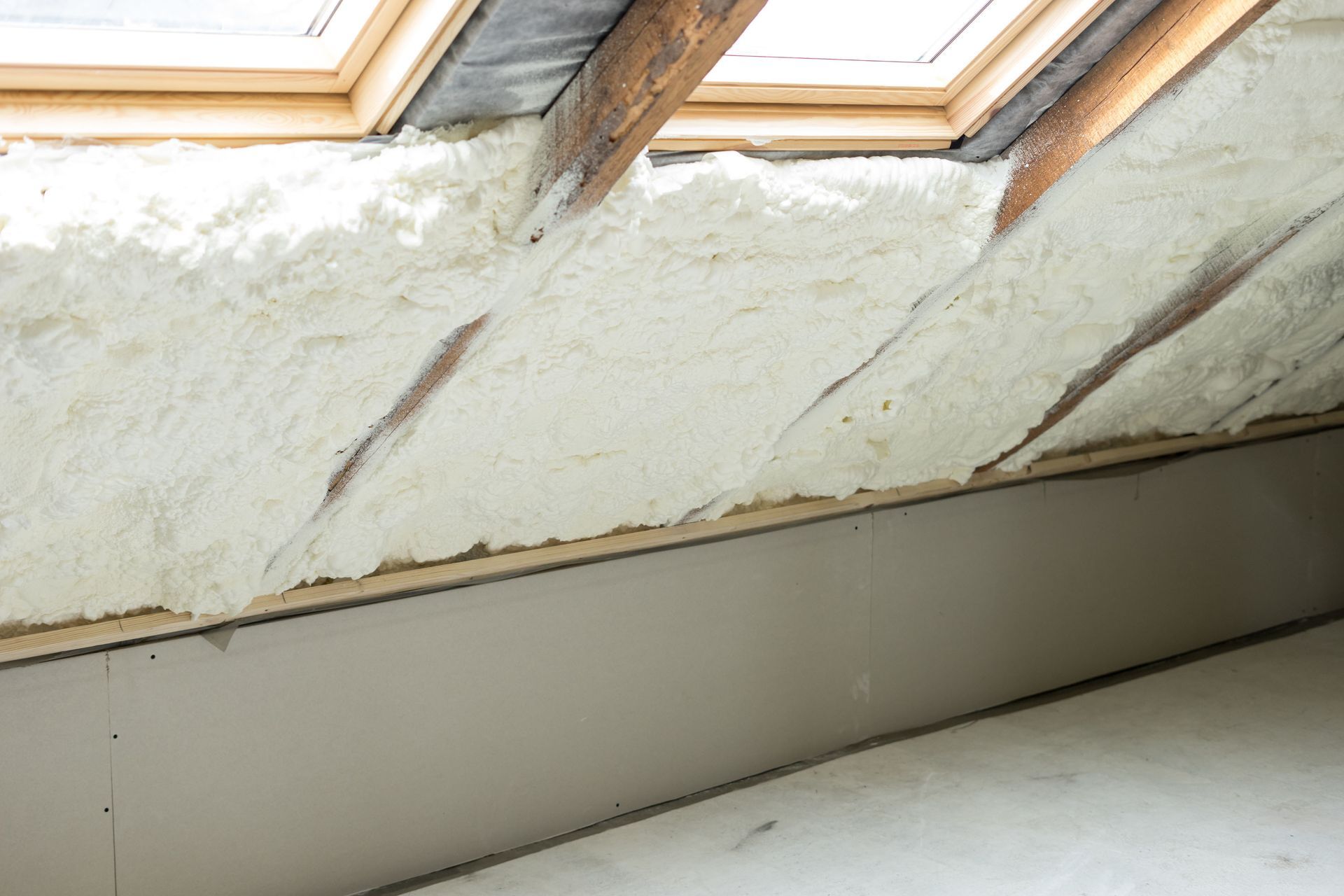
A variety of insulation materials are available to suit different needs and applications. Fiberglass is one of the most common materials, known for its affordability and effectiveness in many climates. Foam board insulation provides rigid panels that offer high thermal resistance, ideal for basement or wall insulation. Spray foam, another popular choice, expands upon application to fill gaps and provide an airtight seal. Each material comes with its own set of benefits and considerations, making it essential to choose the right type for specific areas of the home.
Choosing the right insulation material depends on factors such as climate, part of the house, and budget constraints. For example, cellulose insulation made from recycled paper is an eco-friendly option gaining popularity. Mineral wool is another choice, known for its resistance to fire and soundproofing capabilities. With emerging technologies, there are also innovative options like reflective or radiant barriers ideal for attics in hot, sunny climates. When selecting insulation, your local home insulation service will be able to find the best option for your home.
How Insulation Works
Insulation reduces heat transfer by trapping air or reducing the thermal conductivity of a building's exterior and interior envelopes. Different insulation materials achieve this by creating a barrier that minimizes heat loss in the winter and heat gain in the summer. This barrier functions by either reflecting heat or resisting its flow, ensuring that temperatures inside a home remain stable. Consequently, well-insulated homes require less energy to keep temperatures at comfortable levels. This stability is crucial not just for comfort but also for reducing wear on HVAC systems.
By limiting heat conduction and convection, insulation plays a significant role in maintaining energy efficiency. For instance, the tiny air pockets in fiberglass insulation slow down the flow of heat through walls and ceilings. Similarly, spray foam achieves this by expanding to fill gaps, preventing air leaks, and maintaining a consistent indoor climate. This process dramatically reduces the need for constant heating or cooling, resulting in notable energy savings. The science behind insulation is more than a matter of comfort; it's integral to resource conservation and cost reduction.
Advanced insulation techniques utilize the principles of thermodynamics to enhance home energy efficiency. Investing in comprehensive insulation solutions allows homeowners to benefit from reduced energy consumption over time. The effects of proper insulation extend beyond temperature control to include noise reduction and air quality improvement. While insulation options abound, the key to effective application lies in understanding how different materials function and where they are best applied. Ultimately, well-informed insulation decisions contribute significantly to a home's energy-saving potential and sustainability.
Importance of R-Value
The R-value of insulation measures its resistance to heat flow, serving as an indicator of its effectiveness. A higher R-value suggests better insulating properties, meaning less energy is required to maintain indoor temperatures. The appropriate R-value for insulation depends on climate, home design, and specific application areas like walls, attics, or basements. For example, colder climates require insulation with higher R-values to effectively counteract the greater temperature differences. R-value not only guides material selection but also influences long-term energy cost savings.
Understanding R-values is essential for maximizing the benefits of insulation in any given environment. The EnergyStar program emphasizes the importance of R-value in energy-efficient home design, providing guidelines to help your home insulation service choose appropriately. According to EnergyStar, home energy tax credits now cover 30% of insulation, incentivizing the choice of high-R-value materials for significant savings. A thorough grasp of R-value factors ensures that homeowners not only optimize energy efficiency but also qualify for potential financial incentives. As such, R-value is a critical component of a strategic home insulation approach.
Reduced Energy Bills
Proper insulation is a highly effective means of reducing energy consumption and, consequently, utility costs. Insulation minimizes the need for heating and cooling by maintaining consistent indoor temperatures throughout the year. Given the rising costs of energy, enhancing insulation offers significant financial relief by reducing monthly energy bills. With less demand placed on HVAC systems, homeowners can achieve considerable annual savings while improving overall home comfort. Effective insulation not only pays for itself over time but also represents a smart financial decision with immediate benefits.
Energy-efficient homes not only result in lower bills but also add to the home's resale value, given the growing preference for eco-friendly properties. By limiting air leaks and maintaining stable indoor climates, insulation helps decrease reliance on artificial temperature control. Homeowners who invest in high-quality insulation can observe a marked decrease in energy expenditures, aligning with broader sustainability objectives. This reduction is a result of both material choice and application technique, which together ensure the maximum impact of insulation on energy efficiency. In competitive real estate markets, homes with effective insulation stand out as attractive, economical options.
Return on Investment (ROI)
When considering home improvements, insulation offers one of the best returns on investment. The initial costs associated with installing high-quality insulation can be quickly recovered through energy savings, often within just a few years. Insulation's ROI is further enhanced by potential tax credits and incentives designed to encourage energy efficiency. For instance, homeowners can benefit from programs that offer financial perks for making energy-efficient upgrades, incentivizing energy-conscious decisions. The combined effect of reducing energy costs and improving home value makes insulation a strategically sound investment.
By investing in a home insulation service, homeowners position themselves for long-term financial benefits that extend beyond immediate energy savings. Consequently, homes with comprehensive insulation tend to command higher resale values, appealing to environmentally-minded buyers. As demand for sustainable homes rises, investments in insulation contribute not only to energy savings but also to property appreciation. A well-insulated home differentiates itself in the real estate market, making it an attractive choice for energy-conscious consumers. Thus, safeguarding against energy costs while boosting marketability represents dual financial advantages.
Consistent Indoor Temperatures
Effective insulation helps maintain stable indoor temperatures, which is essential for creating a comfortable living environment. By minimizing temperature fluctuations, insulation reduces the reliance on heating and cooling systems, allowing for consistent ambient conditions. This temperature regulation contributes to the overall quality of life for inhabitants, ensuring comfort regardless of external weather variations. Consequently, insulation becomes a vital component in promoting the well-being and satisfaction of homeowners and occupants. Adequate insulation thus enhances not just physical comfort, but also the general mood and productivity within the home.
For individuals sensitive to temperature changes, insulation offers a notable improvement in day-to-day comfort. Maintaining consistent indoor temperatures prevents conditions that often lead to discomfort, such as drafts or stuffy atmospheres. By reducing energy reliance, insulation provides little resistance to creating an ideal thermal environment that fosters relaxation and ease. Homeowners can enjoy stable indoor climates without extensive reliance on electronic temperature regulation – a manifestation of insulation's practical benefits. This consistent comfort is undeniably instrumental in turning a mere house into a comfortable sanctuary for its residents.
By selecting the right materials, understanding how insulation works, and utilizing a home insulation service, homeowners can significantly improve their living environment while reducing energy consumption. These benefits extend beyond immediate comfort, supporting long-term savings and a more sustainable lifestyle. Its ability to deliver strong returns, both financially and practically, makes it an essential consideration for any homeowner looking to enhance their property’s performance. Ultimately, a well-insulated home offers lasting advantages that support comfort, efficiency, and peace of mind for years to come. To find the right insulation for your home and get quality installation services, reach out to A & A Insulation today.